Heading out on a road trip can be an exhilarating experience, and bringing your furry best friend along for the ride can make it even better. However, just like with any great adventure, a bit of planning goes a long way, especially when ensuring your canine companion’s safety and comfort. From scheduling a pre-trip vet visit to packing essential items in a travel kit, prepping beforehand is crucial for a smooth journey.
But what about once you hit the road? Traveling with a dog in the car is not just about battling the boredom of long highways but also involves securing your dog with the right restraint, managing carsickness, and keeping them entertained. And of course, no road trip is complete without the necessary pit stops. Finding pet-friendly accommodations, staying alert to temperature changes, and keeping up with their routine in new environments will ensure your pup’s tail wags throughout the entire journey.
Pre-Travel Preparation for a Safe and Comfortable Journey
Getting ready for a trip with your pooch requires a pinch of planning and a scoop of precaution. It’s not just about tossing a leash into the car; there are health checks, gear, and IDs to consider. Starting your journey the right way can make all the difference, ensuring safety and comfort for both you and your furry companion.
Embarking on an adventure with your dog means thinking ahead. You’ve got to navigate everything from snout to tail: vaccinations, the right kind of dog leash, comfort, and the unexpected pit stops. Here’s how to prep so your four-legged best friend can enjoy the ride as much as you do.
Schedule a Pre-Trip Vet Checkup and Bring Health Records
A quick run to the vet before a trip is like packing an extra layer of security. It keeps your dog’s vaccinations up-to-date and ensures they’re in good shape to travel. Plus, bringing along their health records might just save your bacon if you need to prove their health status along your route.
Ensure your dog’s health is as road-ready as they are—a healthy pooch is a happy traveler. And remember, some places might require specific vaccinations, so this checkup is crucial.

Familiarize Your Dog with the Carrier or Seatbelt Harness
Imagine you’re about to be zipped away in an unfamiliar box or strapped down by a mysterious contraption. Sounds stressful, right? That’s why you must introduce your dog to their carrier or harness ahead of time. Let them sniff around and enjoy a treat inside to make it a positive space.
| Carrier Must-Haves | Description |
|---|---|
| Size | Big enough for your dog to stand, turn, and lie down |
| Strength | Sturdy enough to protect your dog during travel |
| Secure Anchoring | Using a seat belt or another method to prevent movement |
| Ventilation | Adequate airflow for comfort and health |
Remember, the goal is to make the carrier or harness their buddy, not the bad guy. This means car rides without the jitters and a smoother trip.
Pack Essential Items in a Dog Travel Kit
Road trips aren’t just about the path traveled but also about being prepared for any stops along the way. Packing a dog travel kit ensures your canine compadre has all the essentials: food, water, bowl, leash, waste bags, medication, and those precious playthings.
Include items to keep your dog’s tail wagging, like their favorite toy, and be prepared for boo-boos with a first-aid kit. Preparation is the secret sauce to happy tails on the trails.
Update Identification Tags and Microchips
Identification tags are your dog’s back-up singers—they may not always be the star of the show, but they’re vital if the main act goes missing.
Make sure your dog’s tag sings the right tune with updated info and if they’re chipped, double-check with the registry. A collar with current tags and a microchip are your dog’s VIP pass back to you, should you get separated.
Establish a Feeding Schedule and Avoid Feeding Right Before Travel
A well-timed meal can be the difference between a peaceful car ride and a slobbery mess. Establish a feeding schedule before you hit the road and aim not to feed your furball right before leaving to avoid car sickness.
Keep snacks to a minimum and opt for their regular grub over new or rich foods. Owning the meal game means a smoother ride for your canine companion.
Introduce Your Dog to Short Car Rides Leading up to the Trip
Test drives aren’t just for cars; they’re for pups, too. Short car rides can help your pooch get accustomed to the hum of the engine and the feel of the road.
Gradually increase the distance as your dog becomes more comfortable. It’s like getting a sneak peek of the travel experience, with each ride a rehearsal for the big day. Think of it as your dog’s road trip training montage.
Puppy-Proof the Vehicle and Arrange Suitable Comforts
Just as you would puppy-proof your home, you should also do the same for your vehicle. Before your co-pilot jumps aboard, do a sweep of the car. Secure any loose items, protect the seats, and throw in some comfy bedding or blankets.
Creating a cozy and safe space goes miles in keeping your dog happy and your car damage-free. Give a little love to where your dog will be lounging, and they’ll repay you with easygoing vibes.
Acclimatize Your Dog to Different Surfaces for Breaks
Your journey might take you through concrete jungles or grassy plains, and your dog will need to relieve themselves on different terrains. Getting them used to various textures before the trip can make pit stops fuss-free.
From grass to gravel, let them explore a bit and find comfort in the unfamiliar. Paws ready for all grounds mean no surprises when it’s time for a bathroom break on the go.
Ensuring Your Dog’s Safety and Comfort While on the Road
As you hit the road with your furry companion, their safety and comfort come first. Remember that a secured dog makes for a focused driver, and a comfortable dog means fewer distractions and a more pleasant journey for everyone in the vehicle. From the right restraint system to avoiding potential travails, every aspect counts.
Securing your dog in the car is of utmost importance. In the event of a sudden stop or collision, a properly restrained pet won’t become a projectile that could injure themselves or others. A crate that’s anchored to the vehicle using a seat belt or another secure means is the safest travel method. If a crate isn’t your preference, consider a dog restraint or a seat belt designed for canine companions.
Securing Your Dog with the Right Restraint System
Not all dog seat belts are created equal. While some are merely tethers, others offer padded harnesses that provide protection without sacrificing comfort. It’s critical to choose one that’s strong enough to withstand the force of a sudden stop. Make sure the restraint system is correctly fitted to your dog’s size and weight to prevent them from roaming around the car or becoming a distraction to the driver.
Providing Adequate Ventilation and Temperature Control
Dogs need a well-ventilated space where the temperature is controlled to stay safe and comfortable during a trip. Heat can escalate quickly inside a parked car, and even mild outdoor temperatures can turn a vehicle into a furnace. Never leave your dog alone in a car, and if you’re traveling on a warm day, make sure your air conditioning is in good working order before you set out.
To prevent motion sickness, your dog should be able to see out of the window while remaining securely restrained. However, remember that pets should never ride in the back of an open pickup truck, and they should always be kept inside the car to avoid injury.
Preventing Motion Sickness and Addressing Carsickness
If your dog is prone to motion sickness, consult your vet before the trip for possible solutions. Avoid feeding your pet a few hours before traveling, and instead, plan for frequent stops to let them have water and food. Keep the car cool and well-ventilated to help reduce the chances of carsickness.
Managing Stress and Anxiety in Dogs During Car Travel
Just like us, our canine friends can experience travel stress and anxiety. Familiar items like their blanket or favorite toy can help reduce stress by providing the comforting scents of home. Some dogs may also benefit from calming products or compression garments designed to reduce anxiety.
Avoiding Potential Hazards, Such as Open Windows or Truck Beds
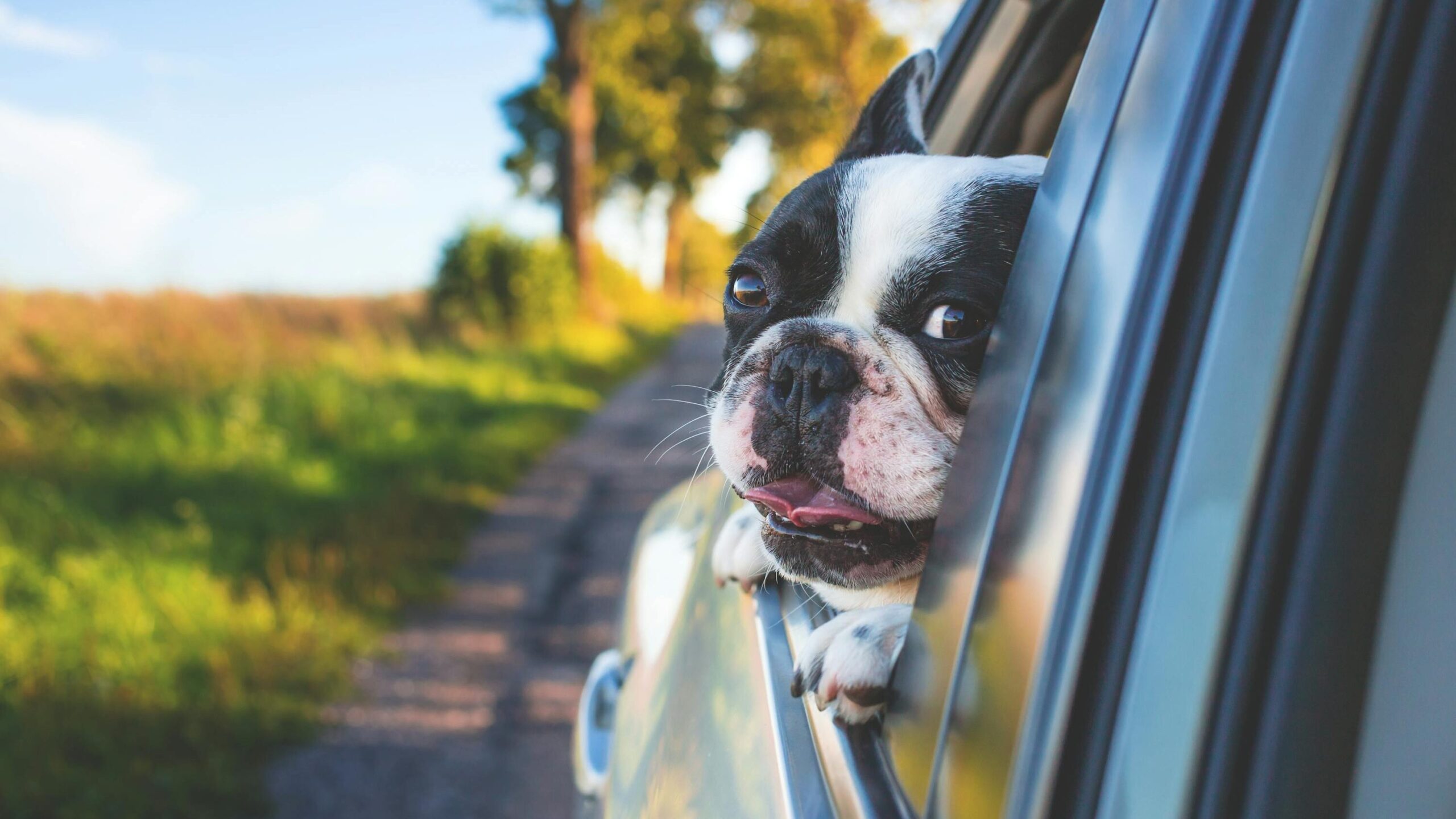
Ensuring your dog’s safety means being mindful of common hazards. It’s natural to want to let our dogs stick their heads out the window, but doing so can lead to eye injuries or worse if an accident were to occur. Always keep windows only partially down and never let your dog ride in the back of an open truck, as the risks are significant.
Keeping Your Dog Entertained and Engaged During the Trip
A bored dog is an antsy dog, and that can mean distraction and stress for you. Keep your dog entertained by bringing along a selection of their favorite toys. If your dog enjoys watching the world go by, position their crate or seat in a way that allows them to see out of the windows safely. Interactive toys can also provide mental stimulation to keep them occupied during longer stretches of your trip.
| Consideration | Details |
|---|---|
| Restraint System | Use a crate or dog seat belt harness that’s appropriate for your dog’s size. |
| Ventilation | Keep the car’s air circulation functioning and do not leave your dog in a parked car. |
| Motion Sickness | Consult a vet for advice, avoid feeding right before travel, and plan for breaks. |
| Stress Reduction | Bring familiar items, use calming products if needed, and make your dog comfortable. |
| Potential Hazards | Prevent your dog from sticking their head out of the window and never use an open truck bed. |
| Entertainment | Bring toys and ensure your dog has a view or interactive toys for mental engagement. |
Managing Stops, Accommodations, and Destination Considerations
Traveling with your furry friend means planning a bit more than just plotting your route. It’s about making sure they stay happy and healthy, whether you’re breezing down a highway or bedding down for the night. Envision each pit stop as a mini-adventure for you and your pup, a chance to stretch, sniff, and stay on track with usual routines.
Where you stay plays a big part in your travel experience. Picking the right pet-friendly accommodations isn’t just about finding a place to crash—it’s about creating a home away from home for your canine companion. Don’t forget to familiarize yourself with local vets and animal hospitals; you never know when an unexpected tummy trouble or paw pad injury might crop up.
Planning for Regular Pit Stops for Exercise and Elimination
Pups need breaks just like we do, so planning regular stops is crucial for their well-being. Ideally, every 2-3 hours, find a spot where you both can get some fresh air and your dog can take care of business. Always have a leash and waste bags handy to keep things tidy and respectful for everyone using the rest areas.
Adhering to Pet Courtesy and Cleanliness During Breaks
Maintaining good petiquette is all part of being a responsible pet owner. Ensuring your dog is well-behaved and that you clean up after them goes a long way in preserving a friendly environment for everyone. It also means potential future travels will be welcomed with open arms rather than closed doors.
Selecting Pet-Friendly Hotels and Understanding Their Policies
Not all hotels that claim to be pet-friendly are created equal. Doing your homework means checking each hotel’s policy on pets ahead of time—like extra fees, weight restrictions, or the number of pets allowed. Call ahead to confirm details and to make any special requests; this can help avoid any surprises that might disrupt your stay.
Securing Your Dog When Leaving Them Unattended in the Vehicle
Need to make a quick run without your dog? It’s all about safety first. Never leave them in the car unattended in extreme weather. Consider the wellbeing of your pooch and the legality, as many places have laws against leaving pets in vehicles under dangerous conditions. If you must leave your dog briefly, always ensure the car is well-ventilated and that you’re parked in the shade, regardless of the weather.
Staying Alert to Weather Conditions and Temperature Changes
Weather can change on a dime, and being prepared is key. Dogs are much more sensitive to temperature changes than we are, so keeping the car at a comfortable temperature is non-negotiable. Remember, what feels good to you might be too warm or cold for your pet.
On that note, you should be also mindful of the risks associated with leaving your dog in the car. The temperature inside can skyrocket within minutes, even resulting in fatal heatstroke. And it’s not just a summer concern—cars can become refrigerators in winter.
Locating Nearby Emergency Veterinary Services at Your Destination
Always know where the nearest 24-hour emergency veterinary clinic is located. Having this info at your fingertips can make all the difference should a medical emergency arise. Save their number in your phone and keep a printed copy handy, just in case your electronics fail you when you need them most.
Upholding Your Dog’s Routine and Comfort in Unfamiliar Settings
A well-maintained daily schedule for your dog helps them thrive. Whether it’s their feeding schedule, walk times, or just cuddle time with you, keeping things consistent can help reduce their stress in a new environment. Bring familiar items like their own bed or favorite toys to provide comfort and a sense of normalcy.