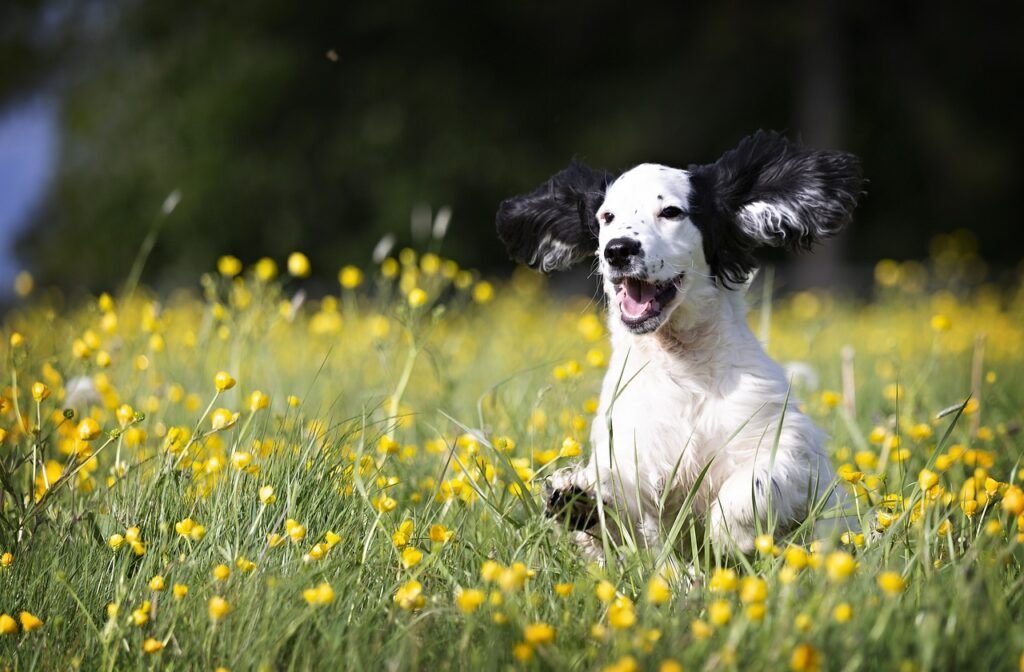
So you’ve decided your pup is ready to master the classic game of fetch, and let’s be honest, there’s hardly a more quintessential activity to enjoy with your four-legged friend! Fetch isn’t just for retrievers who come with a natural predisposition for the game; it’s a skill that any breed can learn and love, providing not only great exercise but also a fantastic opportunity to strengthen the bond between you and your pooch. Before you start, be sure you’re stocked up with small high-value treats, a clicker or a consistent marker word like “yes!”, a stash of exciting toys, and, for the sake of your pockets, a handy treat pouch.
The journey to an impeccable fetch starts indoors, away from distracting squirrels and alluring smells. It’s all about tapping into your dog’s curiosity, using toys that will really get their tail wagging, and pairing each triumphant fetch with a delicious reward and ample praise. Indeed, as you move from cultivating interest in the toy to perfecting the physically and mentally stimulating routine of fetch, your toolkit and approach will have to evolve. Here’s how you can set the stage for success, addressing potential hiccups such as keep-away games or an unfortunate fetch obsession, and gradually shifting from cozy living room sessions to the great outdoors where the real fetching magic happens.
Preparing for Fetch Training: Essential Tools
Starting to train your dog to fetch can be an exciting time for both of you! It’s not just about throwing a toy and seeing if your furry pal will run after it – it’s also about making sure you’ve got all the right gear to set both of you up for success. So let’s dive into what you’ll need to get the party, I mean training, started.
First and foremost, high-value training treats are an absolute must-have. These are the treats your pooch goes bananas for, which will keep their attention on the task at hand. Every time they make a move in the right direction, boom, they get a tasty little reward. But remember, ‘high-value’ doesn’t mean bigger; these treats should be small and easily chewable so the game can keep flowing.
High-value training treats
Choose treats that are irresistible to your dog. They need to be special enough to motivate your furry friend to focus on the training instead of everything else going on around them. Plus, smaller treats mean you can give more rewards without overfeeding.
| Treat Type | Pros | Cons |
|---|---|---|
| Soft, Chewy Treats | Easy to consume quickly, highly palatable | Can be messy if not stored properly |
| Small Pieces of Cooked Chicken | Virtually irresistible, healthy option | Requires refrigeration, has a limited session shelf-life |
| Commercial Training Treats | Convenient, specifically designed for training | Can be expensive, read ingredients for quality |
Clicker or marker word for positive reinforcement
Next, a clicker or a marker word such as “yes!” acts like a sound snapshot, capturing the exact moment your doggo did something awesome. It bridges the gap between behaviour and reward, making it crystal clear for your dog what action earned them a treat. It’s all about communication, and a clicker is like giving your dog instant feedback.

Selection of suitable fetch toys
Now, the main character of our training saga: the fetch toys. Variety is the spice of life, so having options is key. Every dog is different – some might be partial to a classic tennis ball, others might fancy a frisbee or a plush toy. Notice what makes your pooch’s tail wag the most and use that. And hey, durability matters – you want a toy that’s going to survive more than a session or two.
Treat pouch for convenience
Finally, let’s talk logistics. Juggling treats, toys, and possibly slobbery returns is no easy feat. That’s where a treat pouch comes in. Grab yourself one that’s easy to clip on and off so you’re not fumbling around when it’s game time. Plus, it keeps your pockets clean – thank me later when you don’t have a laundry day surprise of treat crumbs everywhere.
With these tools at your side, you’ll be well-equipped to start the fetch training journey. Remember, these tools are just the start; it’s your patience, enthusiasm, and consistency that will really drive the success of your dog’s new fetching skills!
Initial Training: Establishing Interest in the Fetch Toy
So, you’ve got your treats and toy ready, and it’s time to light that fetching fire in your pup. Think of this phase as the warm-up, where you’re not just getting your dog to notice the toy, but to really engage with it with gusto. Remember, the goal here isn’t just about the chase; it’s about building a full cycle of fetching fun!
Your dog’s personality plays a big part in this initial stage. For the chill dogs, a gentle tease with the toy might do the trick, but the more laid-back pooches might need some extra jazz to get excited. Either way, keep things positive and pressure-free. The first step is getting your best friend to look at the toy as something worth pursuing.
Moving the Toy to Incite Interest
Toys aren’t fun if they just sit there, right? That’s why moving the fetch toy around is key to pique your dog’s interest. This could mean a few things:
- Dragging the toy on the ground to simulate prey movement, which can kick-start your dog’s natural chasing instincts.
- Wiggling the toy to make it seem alive, thus more appealing for your buddy to go after.
- Occasionally giving the toy a light toss in front of your dog to catch their eye and encourage a chase.
These actions make the toy look like more fun than a squirrel with its tail on fire (but, you know, safer and less dramatic). The key is to make the toy as tempting as a steak dinner – dogs gotta want it!
Encouraging the Dog to Grab and Hold the Toy
Alright, you’ve got their attention; now let’s move on to getting that grab. You want your dog to go from “Ooh, what’s that?” to “I need that in my life… and in my mouth.” At first, reward any interest in the toy – a sniff, a nudge, whatever. You’re building from the ground up here.
As your furry friend begins to show more curiosity, it’s treat time! Have those small high-value treats on hand. When your dog moves from sniffing to mouthing the toy, mark this behavior with a click or a verbal cue and then offer a reward posthaste. The process looks something like this:
- Toy grab or mouthing? Click/praise and treat.
- Sustained grab? You’ve hit the jackpot – click/praise and treat with the enthusiasm of a game show host!
It’s all about taking baby steps toward that goal of a successful fetch. And remember, if your velcro dog won’t let go, that’s alright for now – we’ll tidy up those loose ends with the “Drop It” cue later on.
Creating a Positive Association with the Toy and the Game
The final touchdown in this part of training is making sure your pup associates the fetch toy, and the game as a whole, with all things awesome! How do you make fetch the best thing since sliced bread? Easy:
- Get your dog jazzed up about the toy with happy talk and playful engagement.
- Use those treats to reinforce successful interactions with the toy.
- Keep each play session short, sweet, and jam-packed with enthusiasm to leave your dog wanting more.
By smothering the game in positivity, you’re not just teaching fetch, you’re creating a fun routine your dog will crave. Think of it like embedding a little joy buzzer inside their favorite toy – it buzzes with happiness every time they touch it!
| Interaction with Toy | Response |
|---|---|
| Sniffs or Touches Toy | Verbal Praise + Treat |
| Grabs Toy in Mouth | Click/Verbal Cue + Treat |
| Brings Toy to Owner | Happy Party + Double Treat |
Developing the Fetching Skill: From Chasing to Retrieving
So, your dog is now showing interest in that fun little toy you’ve been wiggling around — that’s a great start! But the real magic happens when we transition from simply chasing to the grand skill of retrieving. To make it a smooth learning curve, you’ve got to start with short, manageable throws. This makes it super easy for your fur buddy to succeed, and here’s the thing about success — it gets addictive, especially when they’re showered with praise and treats.
Remember, breaking things down into small steps is always the way to go. As your dog gets the hang of it, and their confidence soars, you can start building up to longer distances incrementally. You want that tail-wagging friend of yours to enjoy the game, not turn it into a chore, so keeping it upbeat and rewarding is the key.
Starting with short, manageable throws
Begin by tossing the toy just a few feet away. The idea is to encourage your dog to pick up the toy and realize that bringing it back to you leads to good things (like those small high-value treats you got in your treat pouch!). Cheer them on and make a big fuss each time they do it right — that excitement from you will be contagious.
Building up to longer distances incrementally
Once you notice that snagging the toy and returning it has become second nature to your pupper, it’s time to up the ante. Gradually extend the distance you toss the toy, and make sure to keep rewarding those perfect retrieves. This slow and steady progression will reinforce the behavior without overwhelming your dog.
Incorporating a consistent command word, like “fetch”
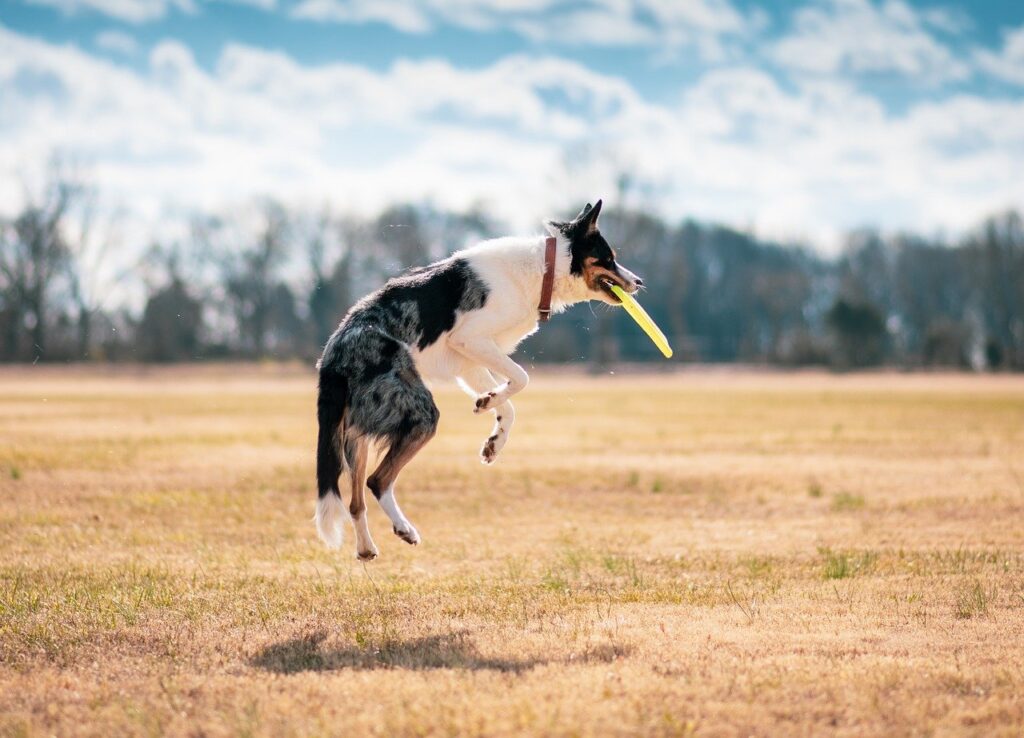
Now’s a good moment to introduce a fun word to the mix. You could use “fetch” or any other word that feels right for the two of you. Just be consistent with it. Say it every time you toss the toy, and soon enough, your dog will associate that word with the rush of the game. Pairing the command with the action helps to cement this exercise in your dog’s repertoire of awesome tricks.
| Step | Action | Rewards |
|---|---|---|
| 1 | Short throw | Praise and treats |
| 2 | Longer throw | More praise and treats |
| 3 | Introduce “fetch” command | A sense of accomplishment and yes, treats! |
And don’t forget, this isn’t just about the throw and fetch — it’s a bonding time for you and your four-legged pal. Every toss, every return, and every treat not only builds their fetching skill but also reinforces the trust and connection between you two. So, have fun with it, because that’s what playing fetch is all about — strengthening your bond through joyful shared experiences.
Perfecting the Return: Teaching the “Drop It” Command
So, you’ve got your pup chasing down toys like a pro, but the game of fetch isn’t quite complete until your dog brings the toy back and releases it willingly. This is where the “Drop It” command comes into play, and trust me, it’s a game-changer for your fetch sessions. Not only does it streamline the game, but it also ensures that you’re not stuck in a tug-of-war contest every time your dog retrieves the toy.
The aim here is for your dog to understand that dropping the toy leads to more fun. You want them to realize that the quicker they give up the toy, the sooner they can chase it again. It’s a win-win situation, but it requires a bit of patience and lots of high-value treats (from that handy treat pouch) to reinforce the behavior.
Using a Command to Prompt the Dog to Release the Toy
Training your dog to release the toy on command needs to be a positive and stress-free experience. When your dog returns with the toy, calmly say “Drop It” and hold out your hand or place it under their mouth. You may need to entice them with a little treat at first. As soon as they drop the toy, mark this behavior with your clicker or a marker word like “yes!”, followed by immediate praise and a tasty treat. The key is to make dropping the toy just as rewarding as chasing it!
Refraining from Pulling the Toy from the Dog’s Mouth
Now, this is important: don’t get into a tug-of-war with your canine buddy. Resist the urge to pull the toy out of their mouth. This could turn into a game for them, opposite of what you’re trying to achieve. Some dogs might think it’s a new fun game and will be less likely to give up the toy in the future. Be patient and wait for them to drop it, reinforcing the right behavior with treats.
Praise and Reward upon a Successful Drop of the Fetch Toy
Every time your dog drops the toy on command, shower them with praise. Celebrate the small victories—every successful “Drop It” is a step towards perfect fetch play. Give them that high-value treat and some affirmative words or cheerful pats. Remember, dogs thrive on positive reinforcement, so the more they associate dropping the toy with good things, the more inclined they’ll be to repeat the behavior.
| Step | Action | Outcome |
|---|---|---|
| 1 | Command “Drop It” and wait | Dog associates command with action |
| 2 | Avoid pulling on the toy | Prevents turning the action into a game of tug-of-war |
| 3 | Mark with clicker/marker word, then reward | Reinforces dropping as positive behavior |
Moving Outdoors and Troubleshooting Common Issues
Once your dog has got the hang of fetch indoors, you’re ready to step up the game and move outside. But with the great outdoors come new challenges. You might find that your furry friend gets easily distracted or decides that the fetch toy is now a prized possession that they’d rather keep than return. Don’t worry, there are tricks to work through these sticky spots and keep the game fun and rewarding for both of you.
Remember to start in a fenced-in area or a quiet park to minimize distractions. And, be prepared to be a little more enthusiastic to compete with all the interesting smells and sights that the outdoors brings!
Transitioning Fetch Training from Indoors to Outdoor Spaces
Starting with a relatively distraction-free area is key. Look for a time when the park isn’t buzzing with activity, or use your backyard if it’s enclosed. Here are the steps for a smooth transition:
- Begin with short throws, just like you did indoors, to keep the focus on you and the toy.
- Gradually increase the distance as your dog becomes more reliable in returning the toy.
- Keep high-value treats on hand, but out of sight, to avoid distraction.
Techniques for Encouraging a Dog to Return the Fetch Toy
After your dog chases the toy, encourage a return with your body language and tone. Here are a few pointers:
- Call your dog back with a cheerful and exciting tone. If you sound like you’re having the time of your life, your dog will want to be part of that.
- Reward any attempts to come towards you with the toy with heaps of praise, a treat, or even a quick tug-of-war session.
Dealing with Challenges Such As Reluctance to Drop the Toy or Obsession with the Game
Some pups can turn fetch into a game of keep-away or may start obsessing over the toy. Here’s how to handle these situations:
- If your dog won’t drop the toy, stop the game and switch to practicing “Drop It” commands.
- Have a variety of toys, and rotate them to keep playtime interesting without causing toy obsession.
- Manage fetch obsession by only initiating the game with a start word, and end with a clear “all done” to signal playtime’s over.
| Issue | Troubleshooting Strategy |
|---|---|
| Dog gets distracted outdoors | Start in quiet, enclosed areas and use high-value treats. |
| Dog won’t return the toy | Call with an excited tone and reward any movement towards you. |
| Reluctance to drop the toy | Stop the game and work on the “Drop It” command separately. |
| Toy obsession | Limit fetch sessions and use clear start/stop cues. |