Welcoming a pet into your home isn’t just about the cuddles and playtime; it’s an opportunity to teach family members, especially children, about responsibility, care, and empathy. With different age groups come varying abilities and potential for learning. For the little ones, tasks like assisting with feeding or taking part in dog grooming sessions at home can be the first steps toward understanding pet care. They might giggle with delight while choosing a bow for their freshly brushed furry friend or learn the importance of alerting an adult when food or water supplies run low.
As children grow, their pet care tasks can evolve in complexity. For middle-aged kids, actively engaging in their pet’s daily care by managing food and water or participating in playtime reflects a deepening commitment to their furry family member. And when teens take the reins, guiding their dog on walks or overseeing health maintenance, they’re not just hanging out with their pet; they’re solidifying life skills. Across all these formative years, pets serve as nonjudgmental companions offering unconditional love and boosting self-esteem while kids navigate the responsibilities that come with taking care of a living being.
Establishing Routine Pet Care Responsibilities for Different Age Groups
Getting pets and kids to live together harmoniously means carving out some age-appropriate pet care tasks for the little ones. As children grow, so should their responsibilities in taking care of their furry friends. Let’s break down how we can do this in a way that’s beneficial for both the children and the pets they love.
Simple Tasks for Young Children
Even the youngest members of the family can get in on the fun of pet care. It’s all about picking the right tasks that aren’t just helpful, but also safe and enjoyable.
- Assisting with Feeding: Kids can help with pouring food into the pet’s dish, which is a simple yet impactful way to teach them about caring and nurturing another being.
- Participating in Grooming Sessions: Though a tad messier, grooming allows kids to engage hands-on by brushing the pet’s fur—maybe while supervised.
- Aiding in Clean-Up After Play: This could be as simple as putting toys away—a lesson in tidiness wrapped in responsibility.
Intermediate Chores for Middle Aged Children
As children get a bit older, they can handle a little more complexity in their pet-related tasks. This is where we start to see more of a partnership forming between kids and pets.
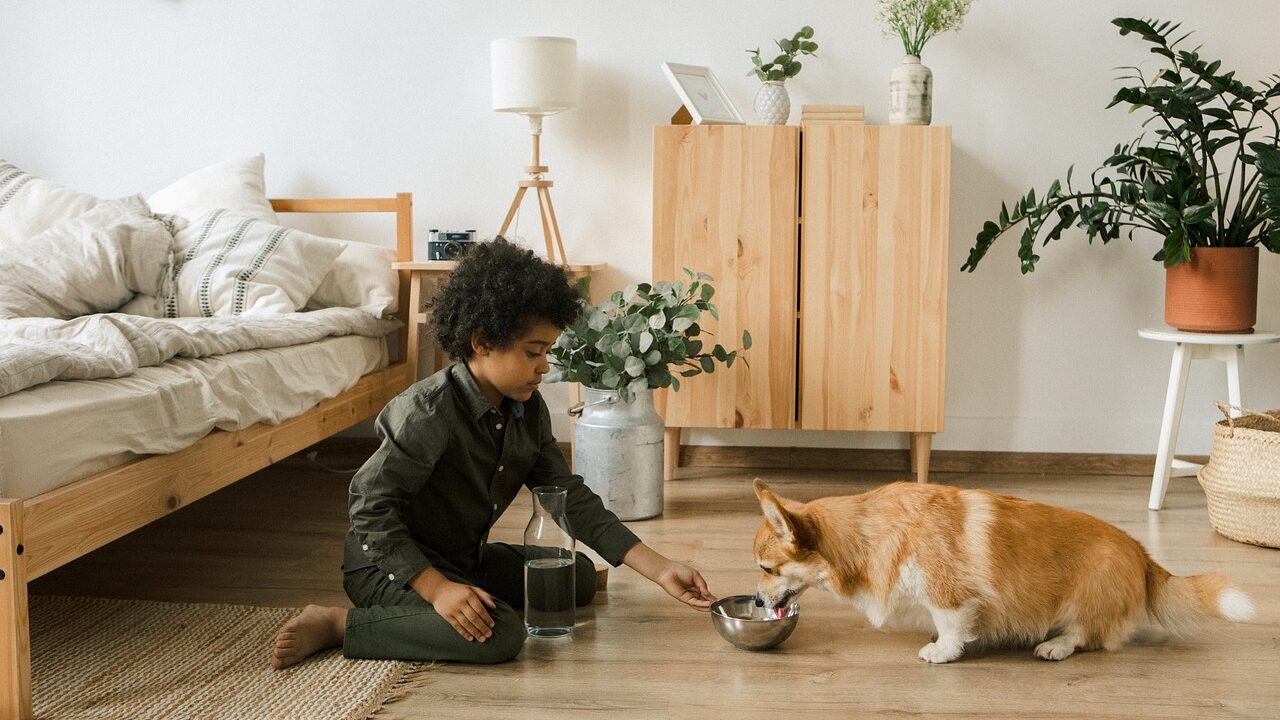
- Managing Daily Water and Food Requirements: Older children can take on the full job of ensuring the pet’s food and water are topped up, enticing them with the responsibility of their pet’s well-being.
- Engaging in Active Play Responsibilities: Pets like dogs require more energetic playtimes. Kids can get involved in games like fetch, which is a great exercise routine for your dog and your child.
- Learning Proper Waste Disposal: A less glamorous, yet critical part of pet care, children can learn to clean up with pooper scoopers or waste bags.
Advanced Pet Care Duties for Teenagers
When kids hit their teenage years, they can start to take on almost all aspects of pet care, developing a level of independence in their roles.
- Independent Walks and Exercise: Teenagers can be trusted with walking the dog alone, holding the leash tightly, and ensuring the pet’s (and their own) safety.
- Overseeing Health Maintenance: This can include scheduling vet appointments or making sure the pet is up-to-date with vaccines, giving them a broader understanding of their furry friend’s well-being.
- Participating in Training and Behavioral Shaping: Teens might even lead training sessions, showing a real test in patience and communication.
| Age Group | Responsibilities |
|---|---|
| Young Children | Assist with feeding, participate in grooming, help clean up toys |
| Middle Aged Children | Manage food/water, engage in active play, learn waste disposal |
| Teenagers | Independent walks, oversee health, lead in training |
Whether it’s a young child helping to pick out a bow or bandana after grooming, or a teenager taking the family pet to the vet, each age group brings its own set of abilities to pet care. It’s not just about the chores; it’s about building relationships, trust, and responsibility. It’s teaching kids that pet ownership isn’t just a series of tasks but a privilege that brings joy and companionship.
Integrating Responsibility with Fun and Education
One of the coolest things about growing up with pets is that responsibility doesn’t have to feel like a chore—it can actually be fun and educational. When kids mix up pet care with playtime, they learn more, bond with their furry friends, and develop a deeper sense of responsibility. Throw in a little bit of education, and you’ve got a recipe for raising responsible pet-loving kids who understand the importance of taking care of their four-legged buddies.
Let’s not forget that active dogs and little humans both come with bags of energy. This makes for the perfect partnership to encourage physical activities like fun games of chase or fetch, which are great for pet and kid alike. Plus, it’s always a good time to slip in some life lessons while everyone’s having a blast.
Combining Play with Pet Care Techniques
Interactive games aren’t just about having fun; they’re also a golden opportunity to teach kids about pet care. Imagine a game where kids and pups put away toys together—learning to clean up never felt so rewarding. Or how about a simple routine where children help brush the dog’s fur after a play session? It reinforces the habit of grooming and allows for a bonding experience that teaches gentle care.
Another fantastic idea is accessorizing the pets after grooming. Letting kids choose a bow or bandana for their furry friend is such an adorable way to make grooming special. Just thinking about a pup with its new bow prancing around the house brings a smile, right? And don’t overlook the value of teaching kids to recognize when a pet’s food or water is low. They can alert an adult or, with supervision, assist in refilling the bowls, developing a sense of vigilance over their pet’s well-being.
Reading and Learning Activities with Pets
Did you know that dogs can help improve a child’s reading skills? They listen without any judgment, which encourages little ones to read out loud with confidence. So, why not create an adorable scene where the kids read their favorite stories to their pets? I can’t think of a more heartwarming learning environment, can you?
Then, there are educational programs and activities centered on pet care that can be loads of fun. Through these programs, children can learn all about the responsibility of feeding, exercising, and grooming, all while establishing a consistent daily routine for pets. This not only educates them but also reinforces the joys of responsible pet ownership.
Reward Systems for Encouraging Responsible Behaviors
We all love a little pat on the back for doing something right, and guess what? So do kids! Establishing reward systems can go a long way in fostering responsible pet care habits. Simple praises or a sticker chart for completed tasks make children feel great about their contributions.
Consider making a pet care chart where tasks can be ticked off and rewarded. It’s a visual and interactive way for kids to track their consistency and dedication. Plus, when they see their pet’s contented wagging tail, it’s a double dose of motivation to keep up the good work.
| Age Group | Responsibilities | Educational Benefits |
|---|---|---|
| Young Children | Assisting in feeding, grooming, picking up toys | Instills early routine, compassion, cleanliness |
| Middle Aged Children | Exercise with pet, pet hygiene, basic training | Builds self-esteem, respect for living beings, physical activity |
| Teenagers | Independent walks, health maintenance, advanced training | Develops responsibility, teaching skills, independence |
Cultivating Emotional and Social Skills Through Pet Ownership
It’s pretty amazing how the presence of a pet in the house can work like social and emotional glue—and this is true for the 44.6 million American households with a dog and 26 million with a cat. As kids grow into the roles of pet caretakers alongside their furry companions, they’re unknowingly picking up huge life lessons. Let’s talk about how these adorable animals are giving a master class in emotions and relationships, and we don’t even have to pay tuition for it!
The impact pets have on a child’s social and emotional development is phenomenal. From tasks as small as feeding the furry members of the family to dealing with the not-so-glamorous parts like clean-up time, kids are silently being schooled in empathy, responsibility, and even the cycle of life. So, let’s delve into how Neptune the goldfish or Fido the dog is actually a significant player in raising kind-hearted, responsible adults.
Building Compassion and Empathy
You know that warm, fuzzy feeling you get when your pet cozies up to you? Kids get that too, and it’s a perfect chance to explain the give-and-take of care and companionship. It goes like this:
- When they brush a dog’s fur or gently strap on a stylish bandana after grooming, they’re learning to take care of someone else.
- By keeping an eye on food and water levels, they start to recognize the importance of nourishing and hydrating another living being. Those “Hey, Mom, the water bowl’s empty!” shouts? That’s responsibility in action.
Ever seen the joyful chaos that comes with trying to bathe a dog in the family tub? Kids not only learn how to take care of their pet’s hygiene, they also learn to consider the needs and comfort of others during these situations—even if it means getting splashed once or twice in the process.
Teaching Respect and Boundaries
Here’s a cool thing about pets: they each have their own personality, and that makes for great respect and boundary lessons. Imagine Toddler Timmy learning that Sir Whiskers doesn’t like his tail pulled—not only does this teach the no-no’s of interacting with pets, but it translates into respecting fellow humans too.
| Pet Responsibility | Associated Skill |
|---|---|
| Feeding | Consistency & Obligation |
| Grooming | Care & Hygiene |
| Playing | Companionship & Playfulness |
| Cleanup | Responsibility & Nurturing |
It’s a balancing act. Kids learn to navigate spaces with their pets, both physical and emotional. Setting up and respecting a pet’s personal space is a prime example of understanding boundaries. Plus, figuring out family dynamics with pets helps children grasp the essence of respect within their own tribe. It’s all intertwined.
Projecting the Future: Grief and Loss Education
Now, this one isn’t easy, but it’s a crucial life skill. Dealing with a pet’s injury, illness, or…as life goes, loss, can be a child’s first brush with grief. It’s tough but it’s real, and it presents a chance for some deep conversations about life cycles, aging, and eventually saying goodbye.
The way we broach these subjects with our kids can leave a powerful imprint. We can teach them from early on that it’s okay to feel sadness and that it’s part of loving and losing. These lessons in compassion during such delicate times will only serve to strengthen their emotional toolkit for the future.