For some dogs, water is a natural playground—an extension of their backyard antics. Yet, for others, even a puddle can seem like uncharted territory. While breeds like the Labrador Retriever and the Irish Water Spaniel come with water-repellent coats and a built-in love for swimming, others may not have the physical build or the confidence to splash around instinctively. No matter the breed, though, with the right safety gear, such as a proper life jacket or vest, and a tailored approach to swim lessons, any canine can learn to swim safely and enjoyably.
Beyond the sheer joy of splashing to their heart’s content, swimming offers dogs a low-impact full-body workout, improves cardiovascular health, and strengthens muscles—all with reduced stress on their joints. But before diving into the deep end, it’s essential for pet parents to understand the importance of acclimatizing their furry friends to water, choosing fitting flotation devices for comfort and security, using positive reinforcement, and gradually building trust in the water.
Essential Safety Gear for Canine Swimmers
Whether you’re hitting the beach or lounging by the pool, it’s imperative to gear up your furry friend for safety’s sake. Diving into the water can be a jam-packed adventure for your dog, especially with the right safety equipment. Since not every pooch is a natural swimmer—think Bulldogs, Dachshunds, and those adorable short-legged breeds—it’s crucial to make their swimming experience as safe and enjoyable as possible.
A good life jacket designed for dogs is not just a flotation device, it’s a confidence booster. Having your dog wear a life vest can be particularly important for breeds that aren’t natural swimmers. Plus, in colder temperatures, it’s the responsible way to go. A dip in chilly waters might be super refreshing for us, but it can cause issues like hypothermia for our four-legged friends if we’re not careful.
Selecting the Proper Life Jacket or Vest for Your Dog
It’s all about suiting up for success. Opt for a life jacket that’s durable and waterproof, with adjustable straps for that snug fit. Dogs such as Portuguese Water Dogs and Irish Water Spaniels, with water-repellent coats, may be natural swimmers, but even they can benefit from the extra buoyancy and visibility a life jacket provides.
When browsing through options, check for jackets with additional safety features like reflective trim or bright colors to enhance visibility. For Labrador Retrievers and the Nova Scotia Duck Tolling Retrievers, typically enthusiastic swimmers, you’d also want to look out for a sturdy handle—perfect for guiding them when they paddle enthusiastically.
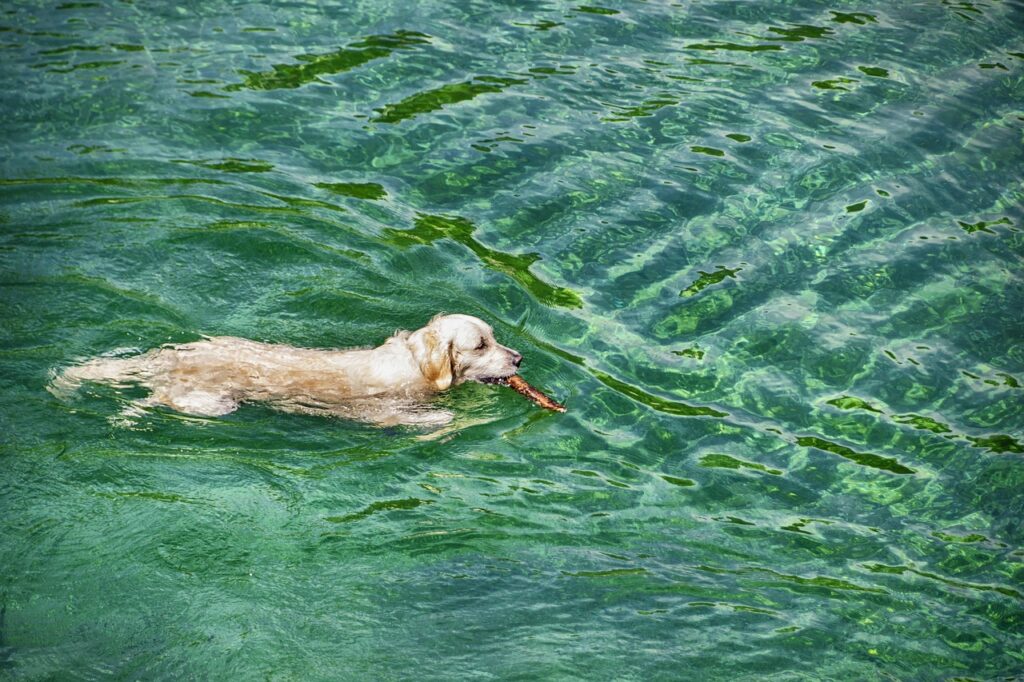
Size and Fit: Ensuring Comfort and Security
Getting the size and fit right is non-negotiable. Remember, comfort equals security, so a life vest should be snug enough to stay on securely, but not so tight that it restricts movement. You don’t want your dog to be the Houdini of the sea, slipping out of their gear when they hit the waves.
An improper fit could hinder your dog’s ability to swim. Think about those pups with broad chests and narrow waists—like some senior dogs with mobility issues—they need that secure but comfortable fit to enjoy their low-impact water workout.
Visibility and Handling: Features That Make a Difference
Having your dog visible and within reach at all times isn’t just for your peace of mind; it’s for their safety, too. Whether you’re dealing with a big splashy breed or your little one who is just getting their paws wet for the first time, features like reflective strips for visibility and a handle for easy handling are invaluable. Visibility features are crucial, especially in varied conditions like natural bodies of water where visibility can fluctuate.
If your swimming adventures take you into open waters or for a paddle in the pool, a sturdy handle and reflective features are a must-have on your dog’s flotation device. It’s all about being prepared for every wag of the tail and every paddle of those paws!
Introducing the Gear: Acclimating Your Dog to Wearables
Getting your dog to love their safety gear is like a fun game of dress-up—except this outfit has a crucial purpose. Start slowly, let them sniff the jacket, and use treats for positive reinforcement. Labrador Retrievers, for instance, may take to it quickly, being bred for water-related work, whereas other breeds may need some extra encouragement and patience.
If your dog is hesitant to embrace their new floaty ensemble, try associating the gear with fun activities. For breeds that are less inclined to take the plunge, gradually acclimate them to their wearables in a controlled environment to ensure that the life jacket doesn’t become their arch-nemesis.
| Dog Breed | Swimming Ability | Life Jacket Importance |
|---|---|---|
| Labrador Retriever | Natural Swimmer | Enhances Safety & Visibility |
| Portuguese Water Dog | Natural Swimmer | Provides Extra Buoyancy & Confidence |
| Bulldogs/Dachshunds | Struggles Without Assistance | Crucial for Buoyancy & Safety |
Preparing for the First Dip: Steps for Acclimatizing Your Dog to Water
Introducing your furry friend to the art of swimming can be a delightful experience, but patience and care are key. Not all dogs take to water naturally, so it’s important to make this new adventure as comforting and appealing as possible. Remember, for some dogs, especially those who aren’t natural swimmers or may have a fear of water, initial swim lessons are a crucial step towards building their confidence in the water.
Before your pooch paddles away, there are a few things you’ll want to ensure. First is selecting the right setting—preferably a quiet and shallow spot where your dog can easily stand and feel secure. A backyard pool or a calm beach area during off-peak times could be ideal spots. Keep an eye out for any hazards and always ensure that the environment is safe and controlled.
Finding the Right Environment for Initial Swim Lessons
Once you’ve selected the perfect location for Fido’s first swim, it’s all about making the water inviting. Start by letting your dog explore the area and watch how they react to the water. A timid approach to the shoreline may be expected, but with encouragement and time, they might grow curious enough to dip a paw in. If you have access to a pool, stairs can serve as a gentle entry point into the shallow end.
For additional safety, and to aid in visibility, equip your dog with a properly fitted life vest. This will give them extra buoyancy and make them feel more secure. The life vest should be adjustable for a snug fit and possibly have reflective trim or bright colors for visibility. Remember, never force your dog into the water. Instead, let them progress at their own pace.
Using Positive Reinforcement to Build Confidence
Positive reinforcement is the ticket to a successful introduction to swimming. Every small step your dog takes towards becoming more comfortable with water should be rewarded. Be generous with praise, and use treats to encourage and reward bravery. If your dog enjoys playing fetch, you could use a water-friendly toy to motivate them, tossing it a short distance into the water.
Keep sessions short and sweet. This not only prevents exhaustion or a negative experience but also curbs the risk of your dog ingesting too much water—a very real concern known as water intoxication. A session length of 10 to 15 minutes is appropriate for a beginner.
Establishing Trust and Security Through Gradual Introduction
If your dog seems hesitant, you can wade into the water first, demonstrating that it’s safe. Your confidence will help your dog feel more secure. Gradually encourage them to come closer, rewarding each effort with treats or their favorite toy. If they’re resistant, don’t force it; sometimes it takes a few tries for your dog to feel comfortable enough to take the plunge.
Once they’re in the water, stay within reach. Not only is your presence reassuring, but you’ll also need to monitor their reaction closely. For deeper water , hold onto the handle of their life vest until they begin to paddle successfully with all four legs—often referred to as the “doggy paddle.”
Monitoring Your Dog’s Reaction and Comfort Levels
Keeping an eye on how your dog is feeling during this process is incredibly important. Signs of stress, like whining, shivering, or excessive panting, may mean it’s time to take a break or end the session for the day. On the other hand, if your dog seems relaxed and is having a good time, you can steadily increase the duration and complexity of swim time.
| Sign | What It May Indicate |
|---|---|
| Reluctance to enter water | Initial Fear or Discomfort |
| Shivering | Anxiety, Stress, or Cold |
| Whining or crying | Stress or Unhappiness |
| Relaxed body language | Comfort and Enjoyment |
You should also be conscious of the water temperature; it’s generally recommended that the combined air and water temperature be at least 100 degrees Fahrenheit before letting your dog swim to prevent hypothermia or cold tail. Always have towels ready to dry them off after the swim and provide a cozy space for them to rest and regain their body heat.
Teaching Techniques for Swimming Success
So you’ve got your furry best friend decked out in the perfect life jacket and you’re ready to introduce them to the wonders of swimming. This session is all about getting those paws paddling and tails wagging in the water. While some pups may take to the water like ducks, others might need a bit more coaching to find their inner swimmer. Remember, patience and positivity are your best friends here – along with, of course, the actual best friend who’s about to get their fur wet.
First things first, every dog is an individual, so what works for one might not work for another. You’ll want to tailor your approach to your dog’s personality, breed characteristics, and comfort level. And don’t forget, just like us humans when trying something new, your doggo might be hesitant at first. But with encouragement and the right techniques, you can help them unlock their innate swimming abilities—or at least, a doggy paddle that gets them safely from A to B.
Encouraging Paddling and Movement in Shallow Waters
Let’s kick things off in the shallow end where the pooches can touch the ground. Here’s why shallow water is a good starting point:
- It’s less intimidating for a newbie swimmer.
- Your dog can gradually get used to the feeling of water with a safety net under their paws.
- It allows for easy and quick exits, building a sense of security and trust.
Using a favorite toy or treat, gently lead your dog into the water. Never force them in – we’re building positive associations here. Once in the water, let your dog explore and feel the water with their feet. Encourage gentle paddling to get them started on their swimming journey.
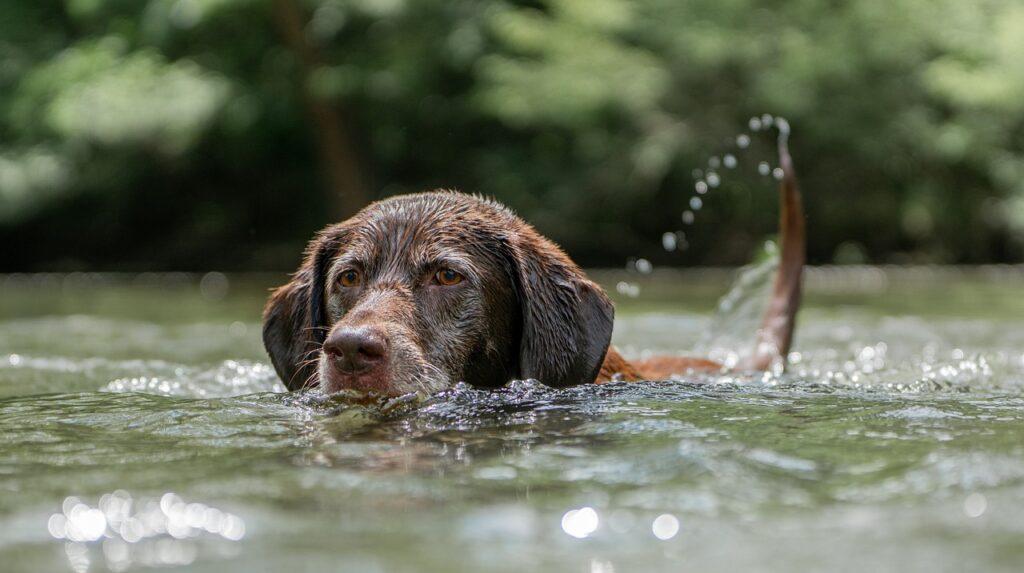
Progression to Deeper Water: At Your Dog’s Pace
When your dog seems comfortable in shallow water, it’s time to slowly move to slightly deeper territory. Keep it gradual and always be in the water with your dog so that they feel your support (yes, for bigger breeds, you may want your own life vest too).
- Monitor their body language – keep an eye out for stress signals like whimpering or a tucked tail.
- Progress only if your dog seems relaxed and happy to go a bit deeper, with breaks for rest and praise for their bravery.
If they start to swim, great! If not, that’s okay too. They’re getting used to deeper water and that’s a win in itself. This journey isn’t a race.
Guiding and Supporting Your Dog with a Life Jacket Handle
The handle on your dog’s life jacket isn’t just there for decoration—it’s a crucial part of your swimming toolkit. Here’s how to use it:
- When your dog starts paddling, gently guide them using the handle.
- It provides additional security for your dog and control for you.
- If your pal gets tired, it’s easy to lift them up and give them a reassuring break.
Keep the mood light and encouraging. The handle is a support, not a leash—so no tugging. It’s all about gentle guidance and building swimming confidence.
Utilizing Toys and Treats for Effective Learning
Dogs are like most of us: they’ll work hard for a little reward. Whether it’s a squeaky toy or a tasty treat, incorporating these incentives can make the swimming experience a lot more enticing. Here’s why:
- Use toys to incite playful behaviors that naturally lead to swimming motions.
- Throw the toy a short distance in the water to encourage your dog to paddle towards it, but always within a safe and retrievable distance.
- Give treats as rewards for bravely exploring deeper waters or for successful paddling moments.
The process here is to associate swimming with positive outcomes – fun, playtime, and delicious rewards. Before you know it, your dog might be the one begging you to go for a swim!
| Activity | Effectiveness |
|---|---|
| Guiding with Life Jacket Handle | High – Increases Security |
| Using Toys for Encouragement | High – Encourages Natural Paddling |
| Progression to Deeper Water | Moderate – Depends on Dog’s Confidence |
| Treats as Incentives | High – Positive Reinforcement |
Post-Swim Care and Ongoing Safety Measures
After your furry friend has had a blast in the water, it’s super important to take the right steps to ensure they stay healthy and ready for their next aquatic adventure. You might think that once they’re out of the water, the risky part is over, but that’s not quite the case. There are a handful of things to keep in mind to keep your pooch in tip-top shape post-swim.
Firstly, you’ve got to prevent post-swim chills and ensure they’re dry and warm, especially on those not-so-hot days. This means toweling them off right away and maybe even using a hairdryer on a low, warm setting if they have a particularly thick coat. Keeping an eye out for any unusual shivering is key because that could be a sign they’re not warming up properly. Also, remember that our furry pals can get sunburned too, so a little pet-safe sunscreen on exposed areas pre-swim and a shady spot post-swim can work wonders.
Recognizing and Preventing Post-Swim Health Issues
You might notice that after swimming, some dogs are just bursting with energy, while others may seem a bit off. It’s critical to watch for symptoms like excessive coughing, fatigue, or changes in behavior, as these can indicate health issues like water intoxication or the beginning of hypothermia, particularly in smaller or short-haired breeds. So, keep those swim sessions appropriately short and keep a keen eye on your dog’s behavior and condition after they get out of the water.
After splashing around, especially in a pool or a pond, a quick rinse can help get any nasty chemicals or natural gunk out of your dog’s coat. This isn’t just for cleanliness, but also to prevent potential irritations or infections. And don’t forget to check their ears! Water-loving breeds with floppy ears are like five-star hotels for bacteria and yeast, so keeping their ears dry and clean is pretty much as essential as the swimming itself.
Keeping Fresh Drinking Water and Shade Available
Whether your dog just finished a rigorous game of fetch in the water or was casually dipping their paws, having plenty of fresh drinking water available is crucial. They’ll likely be thirsty after all that exercise and excitement and, frankly, swimming is hard work. Directing them to clean drinking water will deter them from drinking from the pool, lake, or ocean, which could make them sick. Remember, salt water can dehydrate them, pool water has chemicals, and lakes and rivers might harbor bacteria or algae that could upset their belly.
Providing a shaded area where your dog can rest and escape the sun is also a big deal. They need a cool spot to prevent overheating and to protect their skin after being exposed to sunlight—just like us humans do!
Properly Drying and Warming Your Dog After Swimming
Picture this: your dog’s done swimming, and they do that adorable, full-body shake-off. It’s tempting to think they’re all fine and dandy, but there’s more to it. Getting them thoroughly dry is important, especially in breeds with thick or layered coats. A good rubdown with some towels should be followed by brushing to prevent any matting of the fur, which could trap moisture and cause skin irritations.
Also, keeping in mind that different dogs handle cold differently—so on a chilly day or if your pooch is particularly small or thin-coated—a cozy blanket or even a doggy jacket might be necessary to ward off the cold. Let’s keep our pups comfortable and shiver-free!
Maintaining Vigilance for Water Quality and Environmental Hazards
One last thing to stay on top of is the quality of the water your dog plays in. From chlorine levels in pools to bacteria in lakes, or the ever-present danger of hazardous objects hidden below the surface, there’s a lot to consider. A simple rule of thumb? If you wouldn’t swim there, your dog probably shouldn’t either.
Table | Potential Post-Swim Risks and Preventative Actions:
| Risk Factor | Preventative Action |
|---|---|
| Cold Water | Provide warmth immediately after swimming. |
| Water Quality | Check for advisories; rinse dog after swimming. |
| Shade & Hydration | Ensure access to shade and fresh water. |
| Overexertion | Monitor activity level; rest if needed. |
| Environmental Hazards | Inspect swimming area for dangers. |
So next time your pup takes a dive, remember, a little post-swim TLC goes a long way to keeping them safe, healthy, and ready for more water fun.