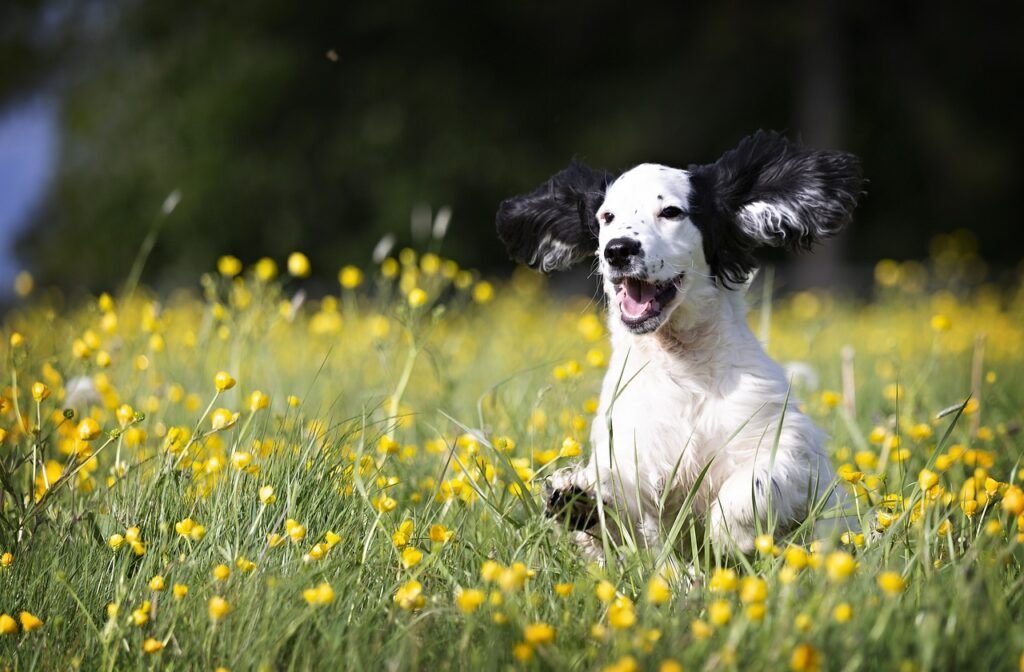
Embarking on off-leash training is more than teaching your furry friend to run unrestrained; it’s about building a deep-seated connection and trust that ensures their safety and freedom. It begins with laying a solid foundation of core commands—like an effective “Come” that calls your dog back, or a sturdy “Stay” that teaches them restraint. Each command serves as a key building block in creating a reliable, well-behind furry companion who understands consequences and eagerly responds with the right actions.
While the exhilaration of off-leash adventures is enticing, ensuring your dog can handle such liberty is about gradual training and a splash of fun. Start in a distraction-free environment and progressively introduce more challenging situations. With a mix of patience and perseverance, your four-legged friend can learn dozens of verbal cues, from the lifesaving “Come” to the advanced “Guard”, all while forming an unbreakable bond through consistent, positive reinforcement.
Once your pup gets the hang of off-leash walks, you can slowly transition to taking them on scenic dog-friendly hikes. This will surely be a memorable adventure you and your pup will enjoy.
Mastering the Foundation of Off-Leash Training
Diving into off-leash training can be both exciting and a bit daunting, right? But let’s break it down. When you’re teaching your furry friend to roam free without turning into a little Houdini, you’re essentially giving them a VIP pass to more adventures and exercise. But before you imagine your dog frolicking freely, remember that you’ve got some groundwork to lay.
First things first, you’re going to want to establish some basic rules and commands that’ll ensure your dog’s safety and your peace of mind. This stage is all about getting those essential commands down pat, so your dog knows what’s expected, no matter where they’re wandering.
Establishing Recalls: The “Come” Command
Recalls are critical. They’re like the emergency brake on a car. When you say “come,” your dog should high-tail it back to you no matter what. Starting with a leash will help your dog get the gist of this command. Just gradually increase the distance, and before you know it, they’ll be zooming back on your cue — leash or no leash.
To reinforce this behavior, remember to shower them with praise or treats the moment they come back. For example, you can give them one of those homemade dog treats they love so much. Positive reinforcement will make your dog more likely to repeat the behavior. Just picture their little tail wagging as they get rewarded for a job well done. That’s the sweet spot.
Implementing the “Sit” and “Stay” Commands for Control
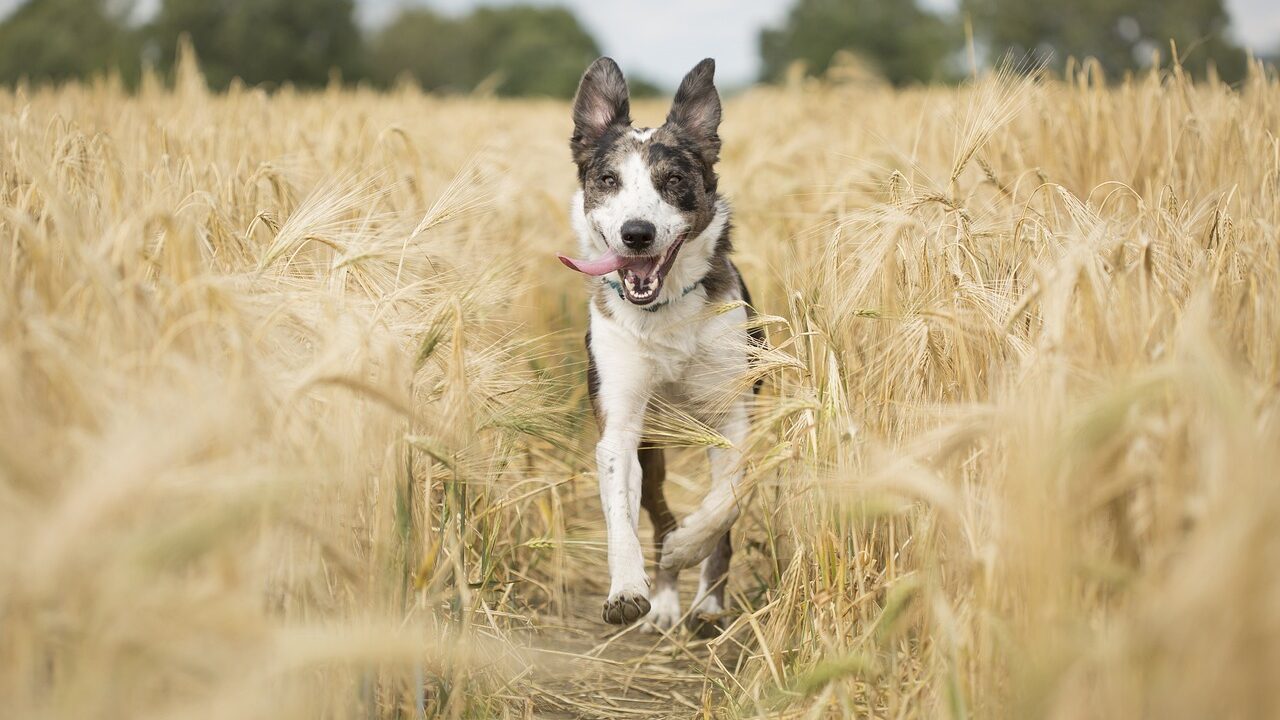
“Sit” and “Stay” are like the ABCs of dog commands. They might seem basic, but these commands are the building blocks for a well-behaved pooch. The “stay” command is particularly crucial for off-leash training. You want to make sure your dog can remain calm and collected — even with squirrels and other distractions are just a paw’s reach away.
Start with short distances, then challenge your buddy with more distance and distractions. Like when their favorite squeaky toy is on the line. And let’s be real, the dream is to have a dog who sits and stays amid the chaos of a dog park — and gets you those nods of approval from other dog owners.
Introducing “Heel” for Safe Movement Off-Leash
“Heel” is all about walking together like you’re in sync. It’s a basic command that also comes in handy for teaching your dog how to dance. This command is super handy in keeping your dog out of harm’s way, especially around traffic or crowded areas. You’ll start with a shorter leash and delicious treats to guide your dog to your side. Soon enough, they’ll be strutting by you, no leash attached, feeling like they own the block.
Consistency is key here. Make sure you use the same command and reward them each time they nail it. It’s a team effort, so lots of encouragement and treats will go a long way. Plus, who doesn’t love a sidekick that’s got moves?
Teaching “Leave It” and “Drop It” for Item Management
Teaching “Leave It” and “Drop It” can be a total game-changer, especially if your dog’s hobby includes scooping up things they shouldn’t. You know how curious dogs can be, always sniffing around and sometimes grabbing the wrong things.
Start with two different items — one less desirable and one that would have your dog do backflips. They drop the boring item, they get the better one. It’s a win-win. Just stay patient and consistent. This training not only keeps them from munching on something questionable but also focuses their attention back to you.
Consistency in Command Use and Dog Training Words
Have you ever played that game where you say one thing and five minutes later, the message has turned into something wacky? Consistency in command words helps avoid this classic “telephone game” scenario. Stick to the same short, sweet commands during every training session. Trust me, your dog will appreciate the clarity.
And remember, practice makes perfect. Couple these clear, consistent commands with daily practice sessions, and you and your pup will be speaking the same language in no time.
Using Positive Reinforcement Techniques
Ah, positive reinforcement — the peanut butter to your dog training jelly. It’s no surprise that 83% of dog trainers prefer this training method. It’s all about rewarding the behaviors you like seeing. Give treats, praise, or a good belly rub when your dog follows your commands. It’s the best way to say, “Hey, you did great, and I love it.”
However, mix it up sometimes. Dogs are smart cookies, and they might start only responding if they think a treat is at stake. So, keep ’em guessing with a variety of rewards and heaps of verbal praise to keep their tail wagging.
Gradual Progression from Leashed to Off-Leash Training
Last but not least, the transition from leashed to off-leash training should be like a fine dining experience. Don’t rush it, and savor each step. Start off in a safe, enclosed space before unleashing your dog in open areas with more temptations.
Giving your dog the freedom to explore while confidently knowing they’ll respond to your commands is the end goal. So when you’re ready to drop the leash, you’ll both feel like celebrating — because freedom, trust, and safety go hand-in-hand (or hand-in-paw).
Safety and Control Commands for Off-Leash Situations
When you let your dog off the leash, it’s a leap of faith, right? You have to trust in their training, and that means having a firm grasp on safety and control commands. These are your safety nets, ensuring your pup can enjoy their freedom without risking their well-being or that of others. And let’s face it, there’s nothing more impressive than a dog that listens even with squirrels and other distractions around.
The key to having a stress-free off-leash experience lies in your dog’s ability to respond to crucial commands, no matter what’s happening around them. Since dogs have the ability to learn a variety of verbal cues, honing in on these specific skills is both doable and essential. Imagine you’re at the park, and your dog’s a few feet away. Knowing that a firm “stay” will prevent them from darting off is reassuring, isn’t it?
The Importance of a Strong “Stay” Command
The “stay” command is probably one of the most important tools in your dog-training toolkit. It’s like hitting the pause button on your dog’s actions, giving you control and preventing them from getting into dangerous situations. When training the “stay” command, you’d usually start with your dog in a sitting or down position and then gradually increase the distance and duration before rewarding them. It’s pretty cool to see your furry friend master the art of sitting pretty, even when they’re itching to move.
Remember that rewards for their obedience should happen promptly so they get the message loud and clear. Consistency is key. Always use the same command and reward system, and practice two or three times a day to make it stick.
Here’s a handy table to sum up the “stay” teaching steps:
| Step | Action | Expected Response |
|---|---|---|
| 1 | Command “stay” with a hand gesture | Dog remains in sitting/lying position |
| 2 | Gradually increase distance | Dog stays put until you return |
| 3 | Increase duration before the reward | Dog maintains “stay” for longer periods |
| 4 | Introduce distractions | Dog stays despite temptations to move |
| 5 | Reward with treats/praise | Dog understands correct behavior |
“Down” Command to Manage Excitability and Hyperactivity
Another ace in the hole is the “down” command, which serves as a calm-down cue for your excited or hyperactive pooch. Teaching “down” starts with luring your dog to the floor using a treat, and once they’re belly-down, they get the reward. It’s a fantastic trick for toning down their energy and getting them to chill when needed.
Use positive reinforcement, such as treats or praise, to encourage your dog’s compliance and avoid negative methods like yelling, which could lead to fear-based aggression. This type of aggression usually develops in pups aged between 18 and 36 months.
Let’s face it, nobody likes a bully, especially our canine companions. Consistency with the “down” command also builds trust between you and your dog, making it a win-win situation.
The “Off” Command to Curtail Unwanted Jumping
The “off” command is your best friend when dealing with a jumper. We’ve all been there, right? Your furball gets too excited and tries to leap on you or a visitor. By training them with the “off” command, you can teach them to plant their paws back on solid ground.
Here’s how it’s done: wait for those paws to come up, say “off” clearly and reward your dog when they comply by placing their paws down. They catch on pretty fast that four on the floor is the way to go, especially when there’s a doggie treat involved!
Utilizing Distance and Distractions in Training Scenarios
Adding complexity to training sessions by increasing distance and introducing distractions helps prepare your pet for real-world scenarios. Begin off-leash training in a quiet area and as your dog gets better, move to spots with more distractions. It’s like leveling up in a video game. Each stage prepares them for the next.
Integrating these challenging scenarios helps your dog understand that commands should be followed no matter what’s happening in their environment. And here’s a tip: varying the rewards keeps things interesting for them and can prevent treat dependency, which is super important if you don’t want a bribery-based relationship with your pooch.
Building Trust Through Consistent Practice Sessions
Last but not least, consistency in training builds that all-important trust with your dog. Regular practice sessions not only reinforce the commands but also strengthen your bond. It’s recommended to practice commands with your dog two or three times per day, and make sure to keep things upbeat and rewarding. After all, a happy dog is a well-behaved dog.
You’ll soon find that a well-trained dog is not just a delight at parties but a safer, happier companion too. So, grab those treats, get your training hat on, and turn those off-leash dreams into reality for both you and your furry best friend.
Advancing to Complex Off-Leash Training Skills
As you become more confident in your dog’s ability to follow basic commands off-leash, it’s time to branch out and introduce some advanced skills. This progression not only sharpens their mental faculties but also solidifies your communication. With consistency and patience, you can teach your dog more complex commands that go beyond the basics of sit, stay, and come. This helps ensure safer and more enjoyable off-leash adventures together.
Remember, before venturing into advanced training, your dog should be proficient with fundamental commands in diverse settings and distractions. Advanced training includes everything from directional commands that can guide your dog on paths less traveled to fun tricks that amaze onlookers and provide mental stimulation for your furry companion.
Introducing Directional Commands: “Left/Right”
Once your dog has the basics down, introducing directional commands such as “left” and “right” can be incredibly useful, especially in off-leash situations where you need your dog to move in a particular direction without the guidance of a leash. To train your dog to follow these commands:
- Start by commanding your dog to sit.
- Hold a treat to the side you want them to turn to and use your command.
- Reward them as soon as they make the correct turn with the treat and verbal praise.
- Repeat, gradually reducing the guidance of the treat and focusing on the verbal command.
Enhancing Obedience with “Guard” and Protection Commands
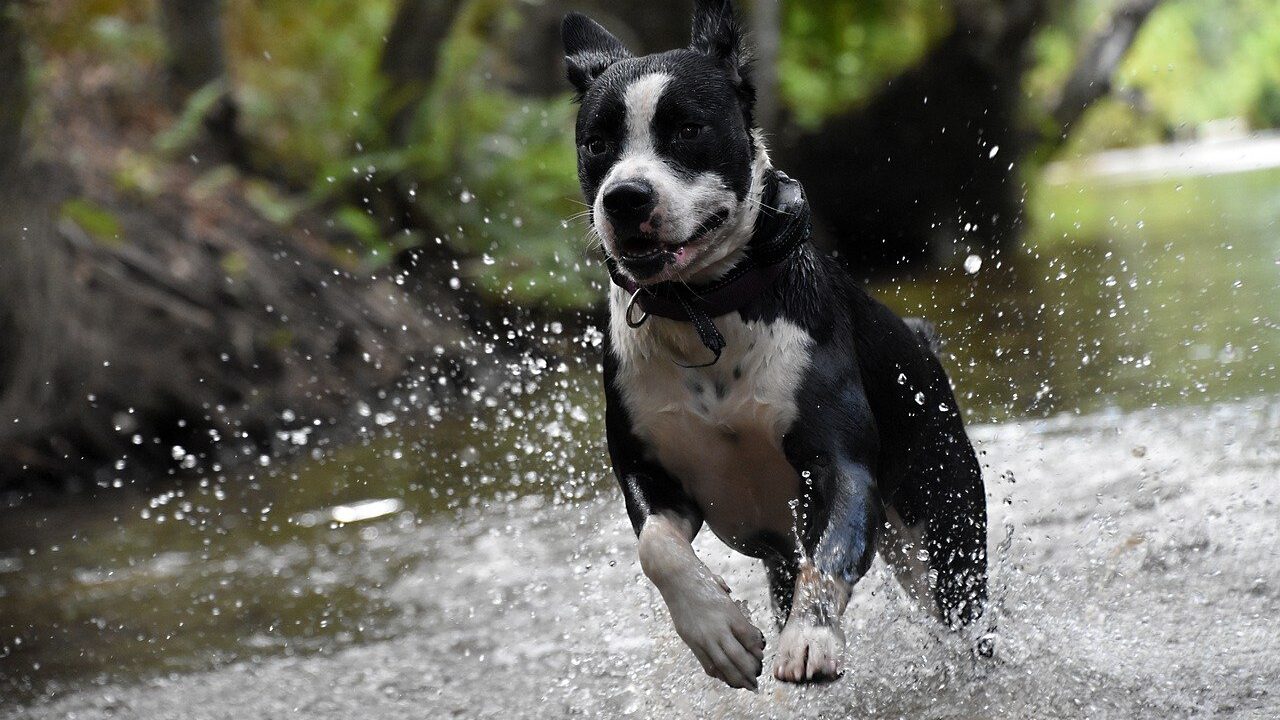
For dog owners interested in protection training, the “guard” command is essential. However, this kind of training should be approached with care as it carries a lot of responsibility. Start with the basics of alerting to strangers and build up to more complex guarding behaviors, always emphasizing control and discipline. Ensuring your dog responds well and is well-socialized is key when teaching them responsibilities like guarding. If you have a shy pooch, you may need to start with some techniques to socialize him.
“Quiet” Command to Control Barking Behavior
Barking is natural but sometimes you need a “quiet” command to manage it. Train this command by rewarding your dog when he stops barking on your cue. Start in a controlled environment with minimal distractions and gradually introduce more challenges as your dog becomes proficient.
Creative Commands for Mental Stimulation: “Find,” “Speak,” “Play Dead”
Mental stimulation is as important as physical exercise. Teaching your dog tricks like “find,” “speak,” and “play dead” not only entertains but also stimulates their mind. Each trick can be taught using positive reinforcement and treats, but remember to keep training sessions short and sweet to prevent your pup from losing interest.
Incorporating Play and Exercise into Training: “Fetch,” “Jump,” “Hi-5”
Integrating play into training is a fantastic way to enhance your dog’s learning experience. Using fetch or jump commands during play sessions helps to burn off excess energy and reinforce your bond. High-fives can be a fun party trick and simple to teach with the lure of a treat.
Transitioning to Real-World Off-Leash Environments
Training should mimic real-life scenarios to be genuinely effective. Start in a distraction-free area and gradually move to places with more distractions, like a park. Building up the challenge prepares your dog for the unpredictability of the real world.
Keeping Training Rewarding and Diverse to Sustain Interest
Varying the types of rewards and incorporating play into training sessions helps maintain your dog’s interest and motivation. Mix treats with toys, affection, and praise to keep your dog guessing and eager to perform.
Troubleshooting Common Challenges in Off-Leash Command Response
Even well-trained dogs can have off days. If your dog struggles to follow commands, take a step back and review the basics. Ensure you’re setting clear expectations and rewarding promptly for correct behavior. If problems persist, consider seeking the guidance of the right professional dog trainer.
| Command | Purpose | Training Tip |
|---|---|---|
| “Left/Right” | Directional movement | Use treats to guide turns, fade out treats gradually |
| “Guard” | Protection and alertness | Begin with basics, approach with responsibility |
| “Quiet” | Control barking | Reward cessation of barking immediately |
| “Fetch/Jump/Hi-5” | Play integration | Make it fun and engaging, alternate with treats and toys |