Is your furry best friend eager to add some swing to their step? Training your dog to dance isn’t just a party trick — it’s a great way to bond, keep them mentally stimulated, and let them strut with style. With plenty of training treats on hand and a good understanding of your dog’s motivations, you’ll be taking the first paw-steps into dance training that can benefit both their strength and coordination. And just like any good dance partner, you’ll need to learn the basics of timing, patience, and how to stay in sync with your dancing ‘pooch’.
Getting started might seem daunting, but with a calm and quiet training area and a handful of daily five to ten-minute sessions, you’ll soon have your dog spinning and stepping in rhythm. Begin with “sit pretty” and gradually raise the stakes (and treats!) to master the “stand up” command. Before you know it, your dog will be ready to weave and spin their way into an impressive dance routine, using the lure of treats, such as nutritious dog treats with pumpkin, and the temptation of tantalizing tunes, all while staying engaged and excited about their new moves. So, grab a treat pouch, muster some patience, and get ready to boogie with your bow-wow!
Preparing Your Dog for Dance Training
Dance training for dogs is not just a cool party trick, but it’s a bonding experience for you and your furry friend, promoting their mental and physical health. To get started, consider the following things: assembling the right supplies, recognizing what motivates your dog, and ensuring they have a grasp of fundamental commands.
Each dance training session should be an enjoyable and positive experience. So, don’t stress if your pooch doesn’t turn into a four-legged Fred Astaire overnight. It’s all about incremental progress and heaps of praise. And hey, it’s also an excuse to boogie a bit yourself!
Gathering Necessary Supplies
Before you start busting moves with your buddy, make sure you’ve got all the gear. Your dance training toolkit should include:
- A baggage of treats that’ll make your dog’s tail wag in a frenzy. Keep these goodies nearby — you’re going to need them!
- A treat pouch or bag is a real lifesaver, leaving your hands free for guiding and clapping when your dog nails a move.
Remember, short and sweet is the secret sauce. Keep your sessions to a 5–10 minutes a day to avoid your pup getting tired or overwhelmed.
Identifying Your Dog’s Motivation and Rewards
Your dog is unique, and so are the things that turn their excitement level to eleven! Be it a specific treat, a sweet talk or a squeaky toy, figure out what sends your dog over the moon. By varying the rewards and keeping a mix-up of tasty treats, your pup will be eager to participate in each dance session.
The table below summarizes the type of rewards to consider:
| Type of Reward | Description |
|---|---|
| Food Treats | Small, delicious snacks that are easy to eat quickly. A variety can keep your dog engaged. |
| Praise and Affection | Verbal cheer and physical affection like petting and hugs. |
| Playtime/Toys | Moments of play or their favorite toy can work wonders as a reward. |
Establishing Baseline Commands
The key to getting your dog to waltz with you is starting with the basics. Ensure they’ve mastered commands like “sit” and “stay” before you move onto the fancier stuff. These basic commands lay the groundwork for more complex dance movements.
If your dog’s already on top of these, you’re ahead of the game. If not, consider these commands the first steps in your pre-dance warm-up routine. Training your dog to follow these simple instructions not only helps in dance training but it also fosters good behavior and communication between you two.
Step-by-step Techniques for Teaching Your Dog to Dance
Turning your four-legged pal into a dancing superstar is easier than you might think, and it’s a fantastic way to bond and have a little fun. Before you envision your pooch waltzing across the floor, you need to start with some basic moves. Patience is key here because teaching dance moves is really an extension of basic training commands. Proper training not only stimulates your furry friend’s mind but also helps them get rid of excess energy and relax more.
Remember that dance training isn’t a marathon session but a series of short, sweet mini training meetups that should last only about 5-10 minutes each. Our goal is to keep it fun and rewarding without overwhelming your dog. Keep your training treats handy and in a pouch to ensure your hands are free for guiding and rewarding your dog. Now let’s get into the groove!
Starting with “Sit Pretty” and “Stand Up” Tricks
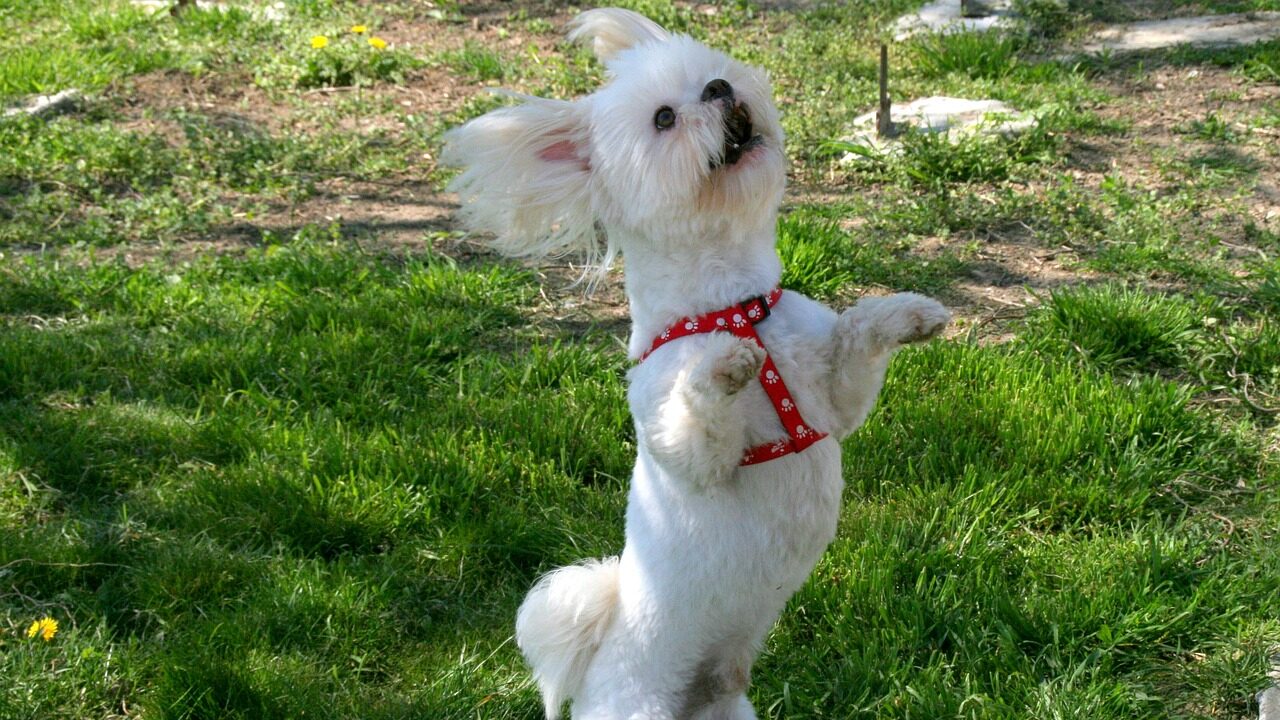
To get the dance training started, we’ll need to ensure that your dog has a solid grasp of the ‘sit’ command. Then, it’s all about taking that sit to the next level with the ‘sit pretty’ move. For that, have a treat ready, and raise it above your dog’s head. The natural temptation to reach for the treat will encourage them to sit up on their back legs. Make sure to reward any progress, even if it’s just them stretching their neck at first!
Once they get a hang of that, we’re upping the game. Lead them into a ‘stand stay’ pose and then coax them upward with the treat, as high as needed to get them onto their hind legs. You might need to offer a little balancing support at first. Train them to maintain that pose for up to 10 seconds, gradually increasing from just a few.
Introducing the Spin and Weave Movements
To get that twirl action going, start by guiding your dog to follow a treat in a circle. It’s pretty much about having them aim for a treat as they walk around on their hind legs. Reward those initial tug-of-war-like moves towards the treat and practice until they complete the full spin. Remember, start with one direction and once that’s nailed, introduce the other to keep things spicy.
For the magical weave, guide your dog in and out of your legs using a treat as their focus point. Imagine you’re a tree and they’re a curious squirrel zigzagging through the forest. You’ll phase out the need for a treat with a hand motion and add in your verbal cue, “weave” works well, to formalize the move. Muscle this move in various settings and amidst distractions to solidify its reliability.
Teaching Your Dog to Turn and Step in Rhythm
When your dog can spin and weave like a pro, it’s time to dial it up a notch. Now you become part of the dance equation by spinning oppositely to your dog or weaving around them. Ultimately, you’re aiming to synch your movements with theirs. Don’t hesitate to introduce a beat into your training sessions either because music can lend a helpful rhythm to your dog’s steps.
Consistent practice is your friend here, as turning and stepping to a beat may not come naturally to your pooch. Use their favorite treats to encourage each tiny step and make sure to keep these sessions light-hearted and enjoyable. Through these moments, you’re creating a stronger connection with your dog while also improving their physical dexterity.
Combining Moves into a Dance Routine
With the basic moves locked down, you’re now ready to create a dance routine. Think of it as choreography for canines. Start stringing together the sitting, standing, spinning, and weaving movements. Make it a goal to work towards fewer treats and more reliance on verbal cues and hand signals. As your dog gets more proficient, you can add more complex moves for an even flashier routine.
Remember that each dog is different — dog breeds like border collies might take to dancing quickly, while more robust dogs could need a gentle pace. Be mindful of their physical limits, especially for dogs who might struggle to balance or have a heavier body type. Your role is to be the supportive, treat-wielding partner who guides them through each step, literally and figuratively.
Gradual Transition from Treats to Commands and Music
The end game of your training sessions is to have a dog that responds to queues rather than just treats. A varied selection of treats will remain essential early on, but over time, replace treats with praise, petting, and play. The sound of music is not just for you; it also signifies to your dog that it’s time to bust a move. Start without music so your dog can focus, but as they get more confident, music becomes an excellent cue for dance time.
Integrate those verbal cues, engage in the process together, and before you know it, your dog will be dancing on cue with only the sound of your voice or a specific song. This transition won’t happen overnight, but gradually, with consistent practice and positive reinforcement, you’ll have a dog that can groove to a beat with or without a treat. Your dance routine would also make a great addition if you’re planning to have a dog-friendly wedding.
Advancing Your Dog’s Dance Skills and Keeping Training Fun
Once your furry friend is getting the hang of the basic dance moves, it’s time to step it up a notch. Enhancing your dog’s dance skills is about gradually building up the complexity of the routines and keeping the whole process enjoyable for them. Remember, every dog learns at their own pace. Your patience and consistent practice are the keys to success in dance training.
Training sessions should remain short and sweet. Aim to practice daily but limit each session to 5–10 minutes to prevent your dog from getting overwhelmed. As you introduce new elements to the dance routine, use different types of treats to maintain your dog’s enthusiasm. It’s all about finding that perfect balance of discipline and playfulness to keep your dog engaged and looking forward to their dance training.
Increasing the Complexity of Dance Routines
When your dog is comfortable with the basics, you can start to turn up the tempo. Build on what they already know, layering in new steps or combining movements for a more impressive routine. It’s similar to how we learn to dance, starting with one step at a time and then stringing steps together to form a sequence.
For example, once your dog has mastered spinning in one direction, you can teach them to spin the other way. You can also extend the duration they stand on their hind legs, working towards a full 360-degree turn. Incorporate these elements into your routine, mixing commands and sequences to keep it fresh and challenging.
Incorporating Props and Partner Interactions
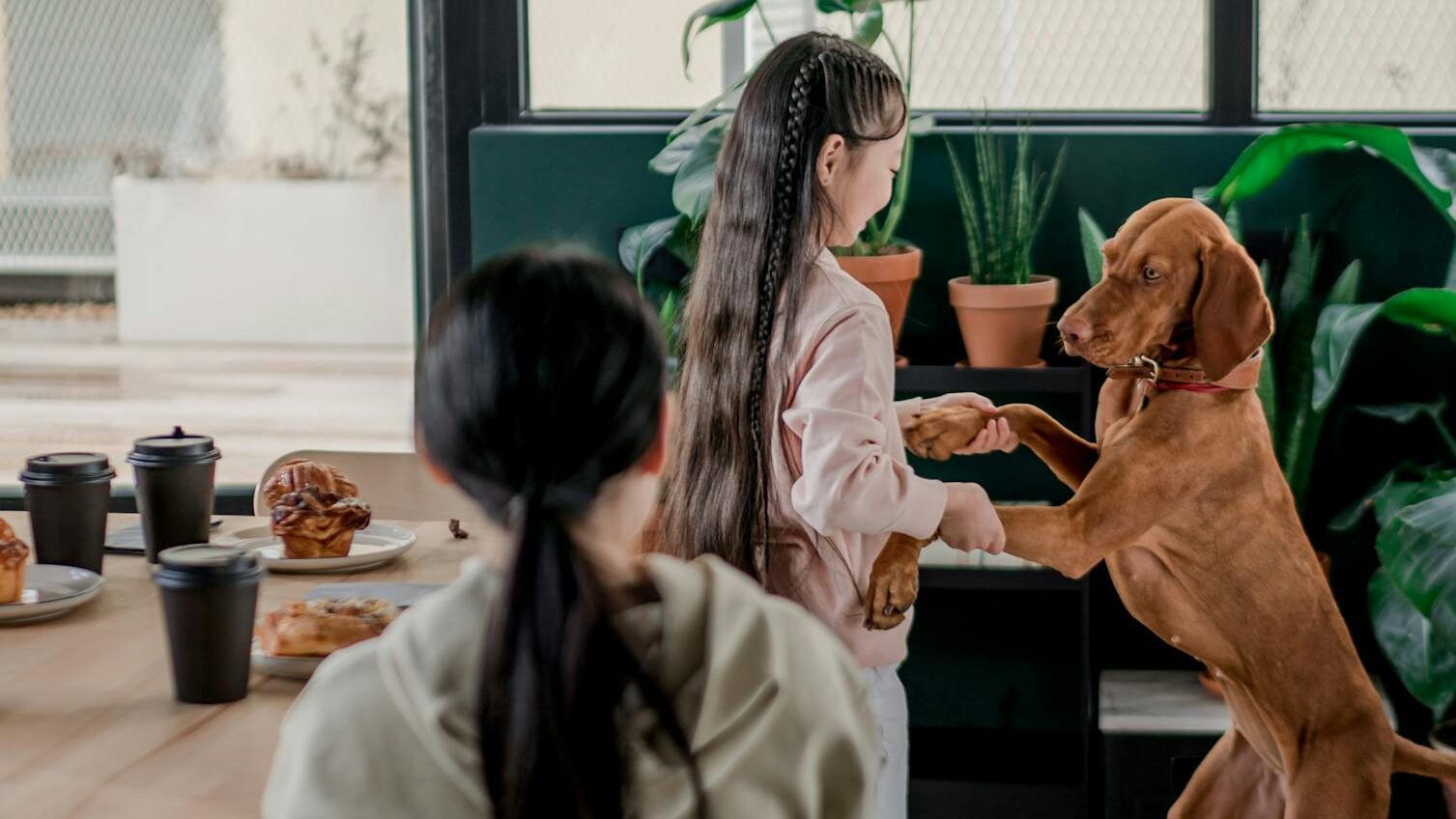
Props can add an exciting twist to your dog’s dance routine. Use items like hoops for your dog to jump through or weave poles for them to zigzag between. Partner interactions, such as weaving through your legs or matching your own dance moves, can also enrich the performance and deepen the bond between you and your pup. Always ensure the dog’s comfort and safety are top priorities when introducing props and new interactions.
As you practice, gradually decrease the reliance on treats, shifting to verbal cues and hand signals. Eventually, you can start incorporating music into your practice sessions, which will help your dog learn to follow the rhythm and get into the vibe of dancing to a tune.
Maintaining Regular Practice Sessions
The adage “practice makes perfect” holds true when refining your dog’s dance abilities. Dedicate time regularly to work on the routine, and don’t forget to vary the training settings. This not only reinforces your dog’s skills but also ensures that they can perform amidst distractions.
Keep encouraging your dog by rewarding them for a job well done, gradually extending the time or complexity before they receive their treat. This helps solidify their training and makes them work a little harder each time for their reward.
Balancing Discipline with Playfulness During Training
Focusing too much on discipline can make the training feel like work for both you and your canine pal. The trick is to inject a sense of fun and playfulness into your sessions. Celebrate the small victories and laugh off the mistakes — after all, it’s the journey of learning that brings you closer.
Use positive reinforcements to motivate your dog and keep a cheerful tone. Remember, if it’s fun for them, they are more likely to want to participate and learn. This is the time to strengthen your rapport and enjoy the uniqueness of each other’s company.
Ensuring Your Dog’s Comfort and Safety During Dance Moves
The safety of your dog is paramount. When training, always watch out for signs of pain, discomfort, or fatigue. Limit the time your dog spends on their hind legs to under 10 seconds at a time to avoid any undue strain on their body, especially the knees and hips.
Be particularly gentle with breeds that may find certain movements challenging due to their body structure. For stout or top-heavy dogs, consider less physically demanding tricks that don’t involve extended periods of balancing on hind legs. And of course, end each session with plenty of cuddles and maybe a special treat — after all, they’ve earned it!
| Treat Type | Use |
|---|---|
| High-value treats | For learning new, challenging moves |
| Low-calorie treats | For routine practice |
| Favorite toys | As an alternative reward |