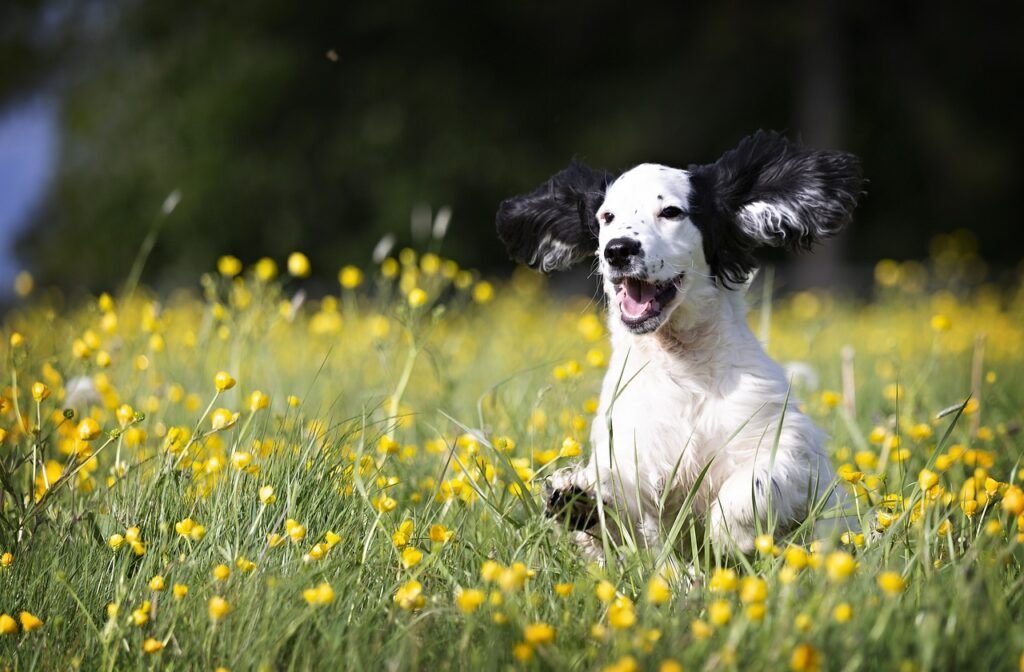
Are you thinking of adding a little freedom to your furry friend’s life with a doggy door? These nifty pet portals are gaining popularity for good reason—they not only offer your dog autonomy to step outside for some fresh air or a bathroom break but they also reduce the likelihood of accidents in the house and save your doors from the dreaded scratch marks. But before your pooch can prance in and out at their leisure, there’s a bit of prep work and training that needs to be done to ensure a smooth transition. From figuring out the right size and style to creating positive vibes around this new feature in your home, setting up for success is key.
It’s all about the positive reinforcement when it comes to teaching your dog to use their new doggy door. Whether your companion is eager or a bit on the hesitant side, patience and consistency are your best friends in this process. Short, enjoyable training sessions starting with a flap-free introduction and escalating to a fully functional door can make all the difference. Tossing treats, using toys, and offering plenty of praise will help your canine buddy learn that the door is just another fun part of their routine. And remember, every pup is different, so tailoring the training to match your dog’s pace is bound to get that tail wagging with confidence as they trot through their new gateway to adventure.
Preparing Your Dog for the Doggy Door
Getting your furry friend comfortable with their new passageway is the first step to a successful doggy door experience. Start by ensuring your dog is not present during the installation to avoid any negative associations with loud noises or disturbance. Treats and toys are your best allies in making this new door seem like the coolest thing on the planet to your pooch. Remember, this should be a fun process for both you and your pup, filled with plenty of encouragement and pats!
For the safest experience, your garden or yard should be a secure space. Before any training begins, double-check that your fencing is up to the task of keeping your dog in and any potential hazards out. Lastly, make sure they have everything they need outside—a place to relax in the shade and a bowl of fresh water to drink when they’re having an outdoor adventure.
Assessing the Right Size and Type of Doggy Door
The right door for your four-legged pal isn’t just about looks—it’s about safety and comfort. You don’t want your pooch to feel like they’re squeezing through a mouse hole or, worse, not be able to get through at all. If you’ve got multiple dogs, let the size of your biggest dog be your guide.
Here are some quick tips to make sure you nail the sizing:
- Check out product guides for sizing recommendations.
- Think about any growth spurts your pup might have left.
- Consider the type carefully. For example, electronic doors can keep out unwanted wildlife.
Making Positive Associations with the Doggy Door
Show your dog the door before it’s even installed, allow them to sniff around, and pair this sight with treats and praise. Once the door is in, encourage your dog to investigate the flap—and every sniff or nudge gets a cheer and a snack.
Whether you choose to train for incoming or outgoing first depends on which direction your dog prefers. If they’re more excited about heading out to the yard, start with that. The key is to build up that positive association slowly but surely.
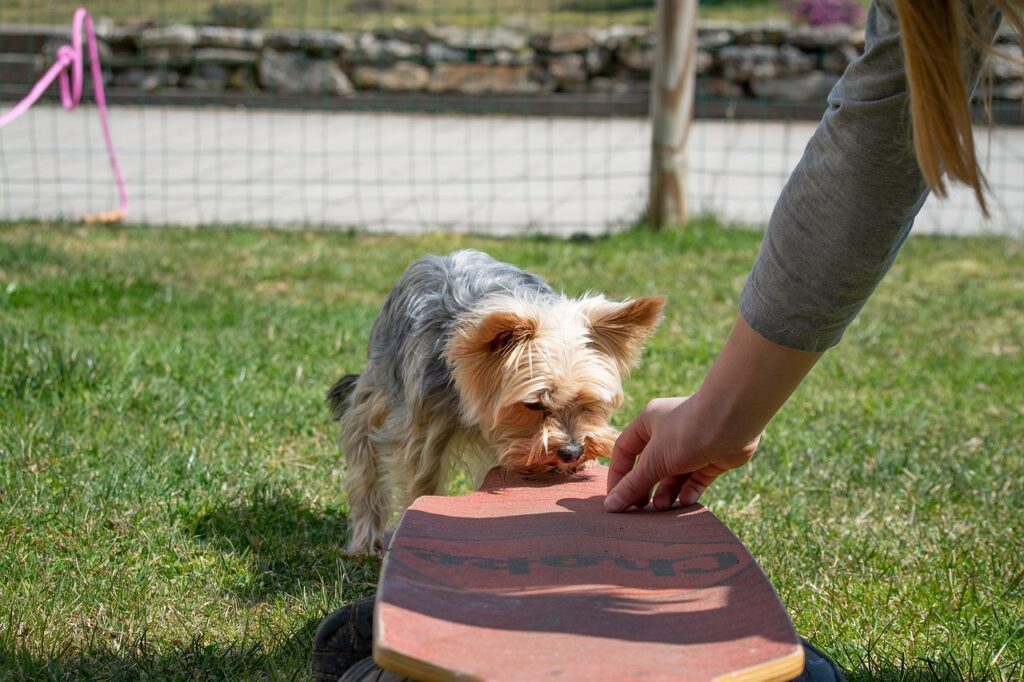
Ensuring Environmental Safety and Accessibility
Before you give your dog free rein, make sure their outdoor environment is dog-proof. Secure fences, no harmful plants, a shady spot for hot days, and access to water are all crucial checks on your list.
And let’s not forget, even with the coolest doggy door in town, our pups shouldn’t be left unsupervised for extended periods, especially when we’re not home. They rely on us for their safety, after all.
| Tip | Action |
|---|---|
| Size Appropriately | Door should fit the largest dog in multi-dog homes. |
| Positive Association | Use treats and praise when introducing the dog door. |
| Ensure Safety | Check the outdoor area for potential hazards. |
| Supervision | Keep an eye on your dog; don’t leave them outside unsupervised. |
Step-by-Step Training Method for Using the Doggy Door
Okay, let’s jump into the nitty-gritty of getting your furry friend to master the doggy door. Think of this like a fun bonding exercise that’s gonna let your buddy enjoy a whole new level of freedom. The key here? Patience and positive vibes all the way. We’re gonna break this down into manageable steps, so both you and your dog can cruise through the process without any stress.
First off, you’ll want to start simple: Get your dog comfy with the concept of passing through an open space where the door will be. Remember to hold off on installing that flap until your pooch is a pro at going through the basic opening. Once they’ve got that down, you’ll gradually up the ante by introducing them to the flap and teaching them to push it open. And hey, don’t forget to toss in heaps of praise and a few yummy treats as they make progress. So let’s rack up those tail wags and get to it!
Introducing the Door Without the Flap
We’ll begin with the most straightforward part: showing your dog the door without the intimidating flap. At this stage, it’s all about getting them used to the opening where they’ll be coming and going. Give them a chance to check it out, sniff around, and peek their head through on their own terms. Positive reinforcement is your best pal here; reward any brave explorations with treats or a friendly voice.
Once your dog is cool with sticking their head through, try encouraging them to step all the way through to the other side. Maybe toss a treat a little distance away, so they have to go through to score it. The goal is for them to see that there’s nothing scary about this new doorway. And remember, keep everything upbeat and pressure-free.
Encouraging Initial Engagement with Treats and Toys
Now that your dog’s acquaintance with the door is underway, let’s make that threshold even more exciting. This part is pretty straightforward: Use their favorite toy or some irresistible snacks to coax them through the open doorway. Start by placing treats near the door, then just inside it, and progressively farther through until they’re breezing through confidently.
If your dog is a bit tentative, that’s where your cheerful encouragement can work wonders. And don’t fret if they’re only brave enough to snag the treat and dart back at first. Celebrate the small victories, because every bit of progress is a step toward mastering that doggy door.
Gradually Raising the Challenge with Partially Closed Flaps
With your pup now a little expert at navigating the doggy door sans flap, it’s time to up the challenge. Start by softly holding the flap partially open, letting them see and smell the other side. Guide them through with the same treats and toys strategy from before. Each time they scoot through the door, lower the flap a tad more until they’re pushing it open themselves. This is where the treats slowly morph from bribe to reward, reinforcing their successful pushes through the door.
Keep an eye on your dog’s comfort level throughout this stage. Rushing them can backfire, but with gentle guidance, they’ll soon be flappy-door wizards. Also, make sure the flap doesn’t snap back quickly or make loud noises, as that could spook your pup and set back the training.
Transitioning to Full Independence with the Flap in Place
All right, big moment here—your dog is ready to graduate to a fully functioning doggy door! By now, they should be more confident and understand the concept of pushing through the flap. But hey, give them a hand if they need a gentle reminder. Hold that flap up slightly less each time until they’re shouldering their way through like champs.
This phase might require a wee bit more patience, but it’s all about allowing your dog to build confidence at their own pace. Soon enough, they’ll be zooming in and out with the flap flying, no human assistance necessary. And let’s not skip on the praise—make it rain compliments and cuddles every time they nail it!
Practicing Entries and Exits from Different Sides
Consistency is king, so now’s the time to make sure your pooch has got this from all angles—literally. You’ll want to practice entries and exits from inside the house as well as from the yard. Changing up starting points will help your dog understand that the doggy door is a two-way street.
Use a routine that they’re familiar with to encourage back-and-forth travel. This may include playing fetch through the door or calling them to dinner from the opposite side. The more they use it during their normal activities, the better.
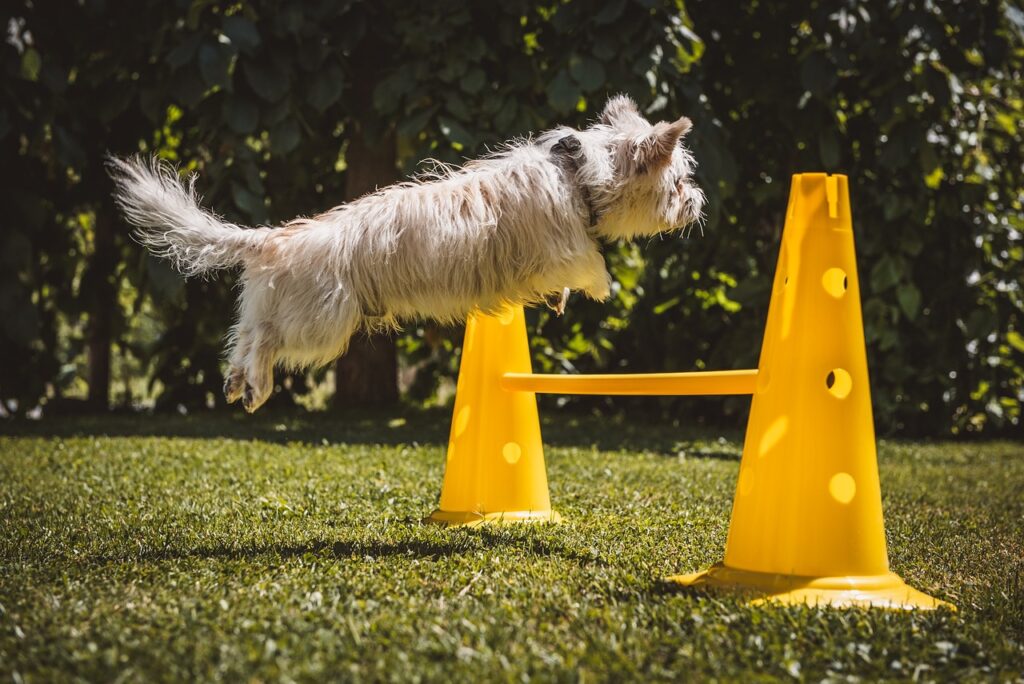
Phasing Out Treats with Continued Verbal Praise
By this point, you’re almost at the finish line, and treats can start to take a back seat. Slowly start reducing the number of treats you use, but always maintain the excitement and positivity with lots of verbal praise. Your voice and body language are powerful tools to show your dog they’re doing great.
Even when treats are off the table, remember that a “Good boy!” or “Well done, girl!” can go a long way. Plus, they’ll feel the love and know that using the doggy door is a good thing, with or without a snack.
| Step | Action | Tips |
|---|---|---|
| 1 | Introduce door without flap | Use treats, be patient, and encourage any interaction with the opening. |
| 2 | Encourage engagement with treats and toys | Place treats progressively farther through the door; use toys if needed. |
| 3 | Introduce partially closed flap | Hold the flap and gradually lower it to encourage pushing. |
| 4 | Transition to full independence | Support less and less until they push the flap on their own. |
| 5 | Practice exiting and entering | Switch starting points for a better understanding of the door’s function. |
| 6 | Phase out treats | Gradually reduce treat dependency, increase verbal praise. |
Troubleshooting and Consistency in Training
So, your furry buddy is a little unsure about using their brand new doggy door? No sweat, it happens, and it’s totally fixable. The key is to keep training sessions consistent and chock-full of patience. You know how important routines are in our own lives? Well, they’re just as important for your pooch when learning something new. Before you know it, they’ll be popping in and out like it’s no big deal.
Now, in saying that, we do have to remember that every dog is different. Just like us, they’ve got their own personalities, likes, and dislikes, so it might take a ‘lil bit of tweaking until you find the sweet spot in your training methods. If at first, you don’t succeed, just breathe, take a step back, and try, try again!
Addressing Hesitancy or Fear with Patience and Persistence
If your pup is giving you those puppy eyes that scream, “Nope, not doing it,” stay calm. This is where we hold onto that leash of patience. Try propping the flap open and tossing their fave treat inside to entice them through. Remember, it’s all about baby steps. Cheer them on for even the smallest victories, like nosing the flap or poking their head through. Consistent, kind encouragement is your best tool here.
Adapting Training Techniques for Different Personalities and Breeds
Dogs are just as varied as we are when it comes to personality. Big or small, bold or shy, your training approach might need to adapt based on who your pooch is. The size of the largest dog in your household ideally should determine the size of the dog door to make sure everyone’s comfortable using it. As for the nervous nellies or tiny tykes, get down to their level and maybe use something less intimidating than the actual flap to start off, like a hand towel.
Maintaining Consistent Training Sessions and Routines
Like with any good habit, consistency is key. Keep those training sessions short, enjoyable, and regular. Stick to the same method each time so your doggo can practice and perfect their skills. They’ll start associating the doggy door with a routine part of their day. Before you know it, they’ll nail it without even thinking twice.
Monitoring Progress and Making Adjustments as Needed
Got your eyes peeled? Good, ’cause keeping a watchful eye on your dog’s progress is must-do. Some might be door-dashing pros after a couple of tries, while others might tire out the treats bag before they get the hang of it. If they’re not picking up what you’re putting down, try switching things up a little. Adjusting your techniques can be the nudge they need to succeed. And a little extra praise never hurts, right?
Ensuring Continued Success and Safety with Supervision
Alright, let’s talk safety ’cause we want our adventurous furballs coming back home after their outdoor escapades. Supervision is essential, especially at the start. Make sure your yard is doggie-proof and safe. And hey, while doggy doors are awesome for freedom, remember to bring your pup in when you’re leaving the home, they need to be safe inside and not left unsupervised with access to the door.
And on those final notes of wisdom, keep this in mind – training might take time, and that’s fine. Every step forward is a paw-sitive movement toward your dog loving their newfound freedom. Just pair those treats with heaps of “good dog” vibes, and you’re on your way to success!
| Troubleshooting Tip | Action |
|---|---|
| Dog Hesitant to Use the Door | Use treats to lure, praise any interaction, and prop flap open initially. |
| Dog Afraid of the Flap | Begin training without the flap, or use a less intimidating substitute. |
| Progress Plateau | Adjust training methods, continue verbal encouragement, consider dog’s preferences. |
| Safety Concerns | Supervise usage early on, ensure the yard is secure, don’t leave dog unattended when away. |