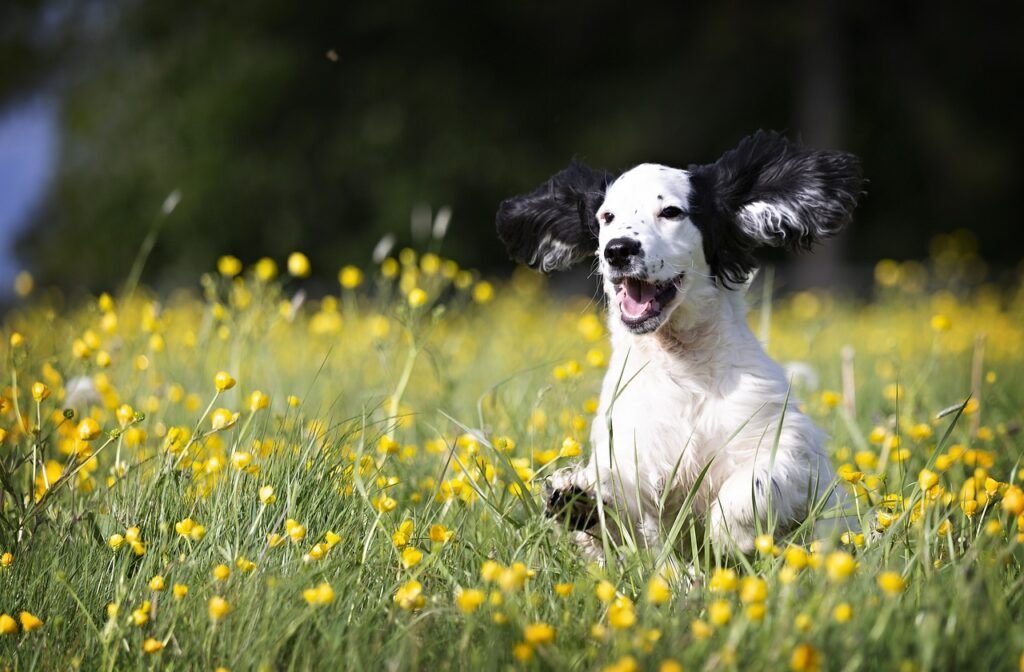
When our furry friends look up at us with those eager eyes, ready for playtime, we can’t help but want to give them the best. Creating a backyard dog playground offers not just a thrilling haven for our pups, evoking their instinctual desire to frolic outdoors, but also brings a new dimension of fun and bonding to our shared living spaces. It’s about making the great outdoors a little more ‘pawsome’ by tailoring a patch of our world that caters to their canine needs – because, let’s face it, a happy pooch equals a happy life.
Starting with the appropriate selection of location and surfaces, all the way to installing interactive elements like agility courses and scent walls, a DIY dog playground is about much more than a wagging tail. It’s about enriching their lives through stimulation, exercise, and love. With meticulous planning that includes ensuring safety, adding personal touches, and perhaps a splash of creative over-the-top amenities, we can transform even a small backyard into a dog’s dream. Just imagine an obstacle course designed by you, a digging area made for treasure hunts, and a serene resting spot, all in the safety of home terrain – what could be more perfect for our four-legged companions?
Planning Your Backyard Dog Playground
So you want to create the ultimate backyard playground for your canine buddy? That’s a great idea! Dogs love being outside and a well-planned space can cater to their instinctual behaviors, making for a happy, healthy pooch. Before you start laying down toys and structures, though, there’s a bit of homework to do. From assessing the space and safety to selecting the right surfaces, your dog’s outdoor sanctuary needs careful consideration in its planning stages.
Whether you have a sprawling backyard or a more modest space, you can set up a DIY dog playground that suits your dog’s needs. It’s all about optimizing what you’ve got and making sure it’s safe and stimulating for your furry friend. Let’s dive into how you can make this outdoor adventure a reality.
Assessing Your Space and Dog’s Needs
First things first, look at the space available to you and think from your dog’s perspective. What do they love to do? Is there a spot where they always go to relax or a path they enjoy running along? Measure the area and consider your dog’s size, breed, and energy level to ensure the playground offers enough room for activities such as fetch or romping around without bumping into anything dangerous.
Things to consider include:
- Existing landscape – what can you incorporate or need to work around?
- Your dog’s behavior – do they tend to jump, dig, or run laps?
- Safety hazards – are there any toxic plants or sharp objects to clear out?

Selecting the Right Location
The perfect spot for a dog playground is one that’s easily visible from your house (think ease of supervision) and away from any delicate flower beds or outdoor dining areas. Ensure it’s a place where your dog naturally loves to spend time, so they’ll be drawn to their new playground.
Remember to ensure the location you’ve chosen is suitable for the types of activities you want to include. Providing enough room for your planned features is critical, so measure up and maybe even sketch a little diagram before you start building.
Choosing Appropriate Surfaces
Your dog’s paws are going to be scampering all over this playground, so you want a surface that’s kind to them. K9Grass or other pet-friendly artificial turfs can be a great option, especially if you want something that’s low maintenance and always looks lush. On the other hand, soft natural grass, smooth stones, or even wood chips might be more your style – just be aware of the upkeep each requires.
Table of Appropriate Surfaces
| Surface Type | Pros | Cons | Maintenance |
|---|---|---|---|
| Artificial turf | Low maintenance, no mud, always green | Can get hot in sunlight, not biodegradable | Occasional rinsing |
| Natural grass | Soft, natural feel, cooler underfoot | Requires watering, mowing, can become muddy | Regular lawn care |
| Wood chips | Natural look, good drainage | Can scatter, may need topping up | Occasional raking, topping up |
| Smooth stones | Low maintenance, good for pathways | Can be harsh on paws, not soft for play | Rarely needed |
Ensuring Safety and Security
The safety of your furry family member is paramount. Avoid using materials with sharp edges or small pieces that could be swallowed. Steer clear of any toxic plants, and if you’re treating the grass or other plants in the area, make sure the products are pet safe. Your playground should be a worry-free zone where your dog can let loose without the risk of injury or illness.
Also, the boundaries of the dog playground need to be clearly defined and secure. Fencing should be tall enough to prevent jumpers from making a daring escape and without any gaps that a little Houdini could squeeze through. Check for splinters or broken pieces that could harm your dog — a safe enclosure means peace of mind for you and freedom for them.
Considering Sun and Shade Areas
Playtime is great, but everyone needs a break now and then, especially on hot days. Make sure your dog playground has a good balance of sunny and shaded areas so your pup can cool down whenever necessary. You could use existing trees for natural shade or include a covered area like a doghouse or canopy.
And if your dog loves basking in the sun, provide a safe, sun-warmed spot where they can soak up those rays! Just keep an eye on the temperature and provide plenty of fresh water to prevent overheating.
Incorporating Natural Elements
Integrating natural features such as rocks to climb or logs to balance on stimulates a dog’s senses and encourages them to interact with their environment. Not only does it make the space visually pleasing, but it also provides obstacles that can be both fun and challenging for your dog.
Remember, though, natural doesn’t always mean safe, so make sure any added elements are stable and not prone to toppling over. Also, avoid anything that could be a breeding ground for pests or bacteria, like stagnant water.
Deciding on Fencing and Boundaries
Lastly, let’s talk fencing. This isn’t just to keep your dog in; it’s also about keeping other animals out. A sturdy fence makes sure there are no unwelcome guests that could disturb or even threaten your pet.
The type of fence you choose can depend on your dog’s size and skills. A smaller dog might be fine with a lower fence, while a larger, more athletic breed will likely need something taller and more robust to prevent any over-the-fence adventures.
Designing the Layout and Features
Okay, so you’ve scoped out your space and considered all the safety stuff. Now comes the fun part—designing your doggo’s paradise complete with cool zones and features that’ll make their tail wag non-stop. Remember, dogs have a natural instinct to explore the great outdoors, so whatever setup you throw their way should feed into their curiosity and energy bursts. Let’s brainstorm some ideas for transforming your yard into the ultimate pup-friendly playground.
Creating zones for different activities is key to a well-balanced playground. Think of your backyard as an amusement park for your fur baby, with each ride catering to a part of their daily routine. You might dedicate one area for agility training, another for digging, and a chill zone for when they need a break from all that running around. And if you’ve got a small backyard, no worries. You can still set up a DIY dog playground that makes smart use of the available space.
Creating Zones for Different Activities
Divvying up the yard into different activity areas will make sure your pooch stays engaged and doesn’t get bored. Here’s a lead on how to slice up the pie:
- A lounging area with a comfy outdoor dog bed or a shaded spot perfect for those lazy afternoons.
- An obstacle zone with a mix of DIY and store-bought agility equipment. Gyms for Dogs has some pretty slick options if DIY isn’t your thing.
- A sandbox for your dog to dig to their heart’s content. It’s a simple addition that taps into their instinctual behaviors.
- Don’t forget a refreshment station with a water bowl or fountain to help them stay hydrated.
Including Agility Equipment
Agility training not only helps your dog burn off extra energy but also sharpens their mind. The internet is loaded with ideas, or you can snag some ready-made equipment. But remember, safety first! No sharp edges, please.
When setting up an agility course, consider your dog’s size and fitness level. And teamwork makes the dream work—building this course can be a bonding activity for you and your pooch. Nothing says love like a shared project, right?
Adding a Digging Area
We’ve all seen the mess when our dogs start excavating the flower beds. Save your garden by including a designated digging spot. Whether it’s a sandpit or a box filled with soft soil, it’s a sandbox for your pooch to unleash their inner archaeologist.
Plus, it’s a great way of reining in those natural instincts without destroying your beautiful backyard. Believe me, your dog and your flowerbeds will thank you.

Establishing a Rest and Refreshment Station
Everyone needs a breather now and then, including our energetic pups. Designate a cool, shady spot for rest, customizing it with an outdoor bed and plenty of fresh water. A water feature or dog fountain could be a fun and practical addition to keep your four-legged friend hydrated and entertained.
You could even throw in some outdoor toys that are safe and big enough to avoid any choking hazards. Just picture your buddy lounging in the sun after a long play session—pure bliss.
Incorporating Playful Obstacles
Alright, let’s ramp up the fun—literally. When mapping out your dog park, throw in some playful obstacles like ramps, tunnels made from safe materials, or even repurposed items. Ever thought about using an old tire or a kiddie pool? Just make sure to clean them up and remove anything that could be harmful.
Obstacles help keep the mind sharp and the body agile. And remember, don’t go overboard in smaller spaces. Sometimes less is more!
Providing Sensory Stimulation with a Scent Wall
Time to engage that powerful sniffer. A scent wall could be a unique feature that provides mental stimulation for your dog. Attach different scented items or plants to a wall or fence, and let your dog’s nose do the exploring.
Scent work taps into your dog’s innate skills and can be an enriching activity, especially for those pooches with a high prey drive. It’s detective work for dogs in your very own backyard.
Maximizing Use of Vertical Space for Climbing
If your dog loves heights, consider maximizing your vertical space. Use ramps or platforms to create a mini-mountain for your adventurous pal to conquer. Just ensure everything is sturdy and safe.
These elevated areas can offer a new perspective for your pooch, and they’re especially good for breeds that thrive on climbing and vantage points. It’s a whole new world up there!
Building and Setting Up the Playground
Now that you’ve sketched out your dream backyard dog playground, it’s time to roll up your sleeves and start building. This phase is all about creating a space that’s both fun and functional for your furry friend. You’ll need to gather your materials, consider all the DIY opportunities, and set everything up to ensure it’s safe and durable. Let’s get to work and turn that design into reality!
Gathering Necessary Materials and Tools
Before you start sawing and drilling, let’s talk about getting your hands on the right stuff. We’re talking wood, screws, tools, and maybe some artificial turf like K9Grass by ForeverLawn if you wanna go all out. The goal is to have everything you need on hand to avoid making a dozen trips to the hardware store. Here’s a quick list of things you might need:
- Wood planks and 2x4s
- Measuring tape and a level
- Drill, screws, and nails
- Saw (hand saw or electric)
- Palm sander to soften those rough edges
- Paint or stain, plus brushes
- Spar urethane for non-pressure-treated wood
- Artificial turf or other chosen surfaces
Constructing DIY Agility Equipment
If agility is the name of the game for your pup, you’re gonna want to craft some equipment that’s safe and the right size. Measure your dog to determine how big or small you need to go. You can create ramps, hurdles, or weave poles. Just remember to sand down those edges and make sure everything’s sturdy. After all, we don’t want Fido taking a tumble mid-trick!
Installing Soft and Safe Landscaping
When it comes to the surface your dog will be running on, think soft and paw-friendly. You can lay down that special artificial grass for dogs or spread out some smooth stones or mulch. Just ensure it’s comfortable for your dog’s paws and easy to clean. Plus, stay away from any materials that can heat up too much in the sun or those that could be toxic if ingested.
Adding Personalized Touches
This is where you can let your creativity shine! Paint the equipment in fun colors, add stripes or patterns, or even stencil your dog’s name on the ramp. It’s all about making it feel like a special place for them. And who knows, your dog might just appreciate that pop of color when they’re zooming through their new obstacle course!
Mounting Play Structures Securely
This bit is super important: make sure all play structures are anchored firmly to the ground. You don’t want anything wobbling or falling over. Use those drills and screws to secure each piece, and double-check that everything is balanced with that handy level.
Attaching Toys and Interactive Elements
Interactive elements like a scent wall or toys that can attach to the structures are like the cherry on top. These additions keep your dog engaged and curious. Plus, they provide that mental stimulation dogs crave. Just ensure these features are safely secured so they can take a bit of rough play.
Finalizing with a Protective Finish for Durability
Lastly, let’s talk about making this playground last. After all the building and painting, you’ll want to add a protective finish like Spar Urethane to weatherproof your handiwork. It’ll help your structures stand up to sun, rain, and maybe the occasional chew session. And that means more playtime over the years, without the extra maintenance hassle.