Creating homemade dog treats is not just an act of love, it’s a practice that can ensure the health and safety of your furry best friend. With a world of additives and preservatives in store-bought treats, making your own provides the peace of mind that comes with knowing exactly what goes into your dog’s food. Plus, the process can be remarkably simple, affordable, and genuinely enjoyed by your pet.
Whether you are a seasoned baker or a novice in the kitchen, whipping up treats at home allows you to customize recipes to suit your dog’s dietary needs and preferences. From nutritious ingredients like ripe bananas, peanut butter, and oats to the avoidance of anything harmful like xylitol or excessive salts, the control is in your hands. Not to mention, the ability to store treats in the freezer means you can maintain freshness and firmness while having a stash ready for any tail-wagging occasion.
Choosing the Right Ingredients for Your Homemade Dog Treats
When prepping to make your homemade dog treats, the key is to start with the right ingredients. The choices you make can not only influence your dog’s enjoyment but also their health. You want to aim for wholesome, nutritious, and safe ingredients that provide your furry friend with benefits rather than potential harm. Here are some points to consider for selecting the right base for your homemade canine confections.
Safe and Healthy Ingredient Options
Looking for ingredients for your dog treats doesn’t have to be complicated. Natural peanut butter, ripe bananas, and oats are the trifecta of simplicity and health. The oats, whether whole or instant, are a great source of fiber and can easily be ground into flour. Ripe bananas offer potassium and vitamins, while unsweetened and unsalted peanut butter can add a dose of protein and healthy fats, making these treats as nutritious as they are delicious.
| Ingredient | Health Benefit |
|---|---|
| Natural Peanut Butter (unsweetened, unsalted) | Protein, healthy fats |
| Ripe Bananas | Potassium, vitamins C, B6, fiber |
| Oats (ground into flour) | Fiber, vitamin B, omega-6 fatty acid |
Your homemade dog treats can be tailored to use less or more banana depending on what you have on hand, and remember, if you are out of oat flour, blending or processing your oats can do the trick.
Ingredients to Avoid for Dog Safety
It’s equally important to know which ingredients to steer clear of. Common kitchen items like chocolate, onions, garlic, grapes, raisins, and any artificial sweetener especially xylitol, are toxic to dogs and should never be used in your treat-making. High-fat ingredients should be approached with caution to avoid digestive upset. Be aware that items safe for most dogs might still be problematic for ones with specific allergies or sensitivities.
- Chocolate
- Onions and Garlic
- Grapes and Raisins
- Artificial Sweeteners (like Xylitol)
- High-fat Dairy and Meats
Customizing for Dietary Restrictions or Allergies
If your pup has a sensitive stomach or allergies, you’ll be glad to know that homemade treats can be customized. Substitute wheat flour with rice or coconut flour for a wheat-intolerant dog, and avoid honey for puppies or dogs with compromised immune systems. You can adjust recipes with alternative flours, proteins or fats to meet your dog’s specific dietary needs while still packing a flavorful punch.
With these guidelines, you’re well on your way to creating treats that won’t just make your dog’s tail wag with delight, but will also give you peace of mind that they’re safe and healthy.
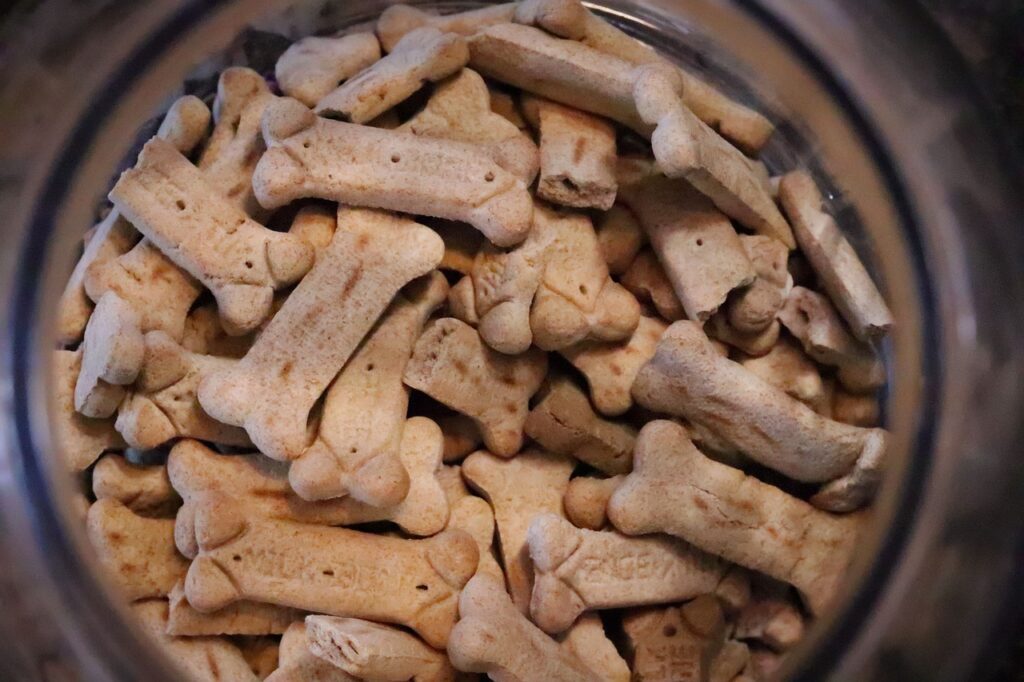
Essential Equipment for Making Dog Treats at Home
Roll up your sleeves because we’re about to dive into the essential gear you’ll need for creating those scrumptious homemade dog treats. Making these treats doesn’t require you to have a professional kitchen setup, but a few basics will go a long way in making the process smoother and more enjoyable.
First, you’re going to need some standard kitchen tools. A sturdy mixing bowl is a must for combining your ingredients. You’ll also want a good rolling pin to flatten out that dough to the perfect thickness, and trust me, your pups can tell the difference! You’ll need a blender or food processor to turn oats into oat flour, unless you’re buying it pre-ground. A baking sheet is where all the magic happens in the oven—lined with parchment paper, it’s the stage for those treats to get their bake on. And let’s not forget about measuring cups and spoons for getting those quantities just right, because balance is key when it comes to treat making.
Kitchen Tools and Utensils
So, what are the specific tools you should have on hand? Let’s lay it out:
- Mixing bowl: To whip up that yummy dough.
- Rolling pin: For rolling out the dough evenly.
- Baking sheet: Where the formed treats get baked.
- Parchment paper: Keeps your treats from sticking to the baking sheet.
- Measuring cups and spoons: Accuracy is important; this isn’t a pinch-of-this-and-that sort of deal.
- Blender/food processor: Needed for grinding oats to the right consistency.
And if you want to get a bit fancy, silicone baking mats are a great alternative to parchment paper. They’re reusable and ensure even baking, which is great for those perfect golden-brown bottoms we aim for in dog treat baking.
Selecting the Best Molds and Cutters
Cookie cutters aren’t just for holiday sugar cookies. They’re perfect for cutting out adorable shapes for your dog treats too. Bone shapes are classic, but don’t be afraid to mix it up with stars, hearts, or any design that makes you think of your pooch. Just remember to choose cutters that are appropriately sized for your dog—no supersized cookies for toy breeds, okay?
Table of Mold and Cutter Dimensions:
| Cutter Shape | Size (inches) | Suitable for Dog Size |
|---|---|---|
| Bone | 3 | Medium-Large |
| Heart | 2 | Small-Medium |
| Star | 2.5 | Small-Large |
If you’re not keen on manually cutting out shapes, silicone molds are super handy and really easy to use. Just press the dough in, bake, and pop them out. Plus, they come in all sorts of fun shapes and sizes. This little addition to your kitchen tools can add so much character and personality to your dog treats.
Remember, while the tools make the treat, it’s the love you put into making them that really counts. With the right gear, a pinch of creativity, and a whole lot of love, your pup is sure to wag their tail in appreciation for your homemade efforts.
Simple Recipes for Wholesome Dog Treats
So, you’ve got your pantry lined up with dog-friendly ingredients and your kitchen tools at the ready – it’s time to tackle some simple recipes for wholesome dog treats. Not only are these recipes a breeze to whip up, but they’re also packed with nutrition and are leagues beyond what you can find in a store both in freshness and the love that’s mixed in (yes, dogs can totally tell).
Here’s how you can delight your furry friend with some homemade goodness:
Peanut Butter Delights
Let’s start with a pup favorite – peanut butter. Made with natural peanut butter (without any added oils, sugars, or salt), ripe bananas, and oats, these treats are bound to be a hit. Remember, ripe bananas not only add sweetness that dogs love, but they’re also full of potassium, vitamins, fiber, and magnesium. And the oats, whether whole, instant, or 1-minute, bring in the necessary fiber, vitamin B, and omega-6.
You can customize this recipe based on what you have – halve it, double it, or triple it with no issue. Roll out the dough, cut into cute shapes, and bake at 300°F until crispy. Let them cool to become firmer, and you have a treat that’s both nutritious and delicious.
| Ingredient | Amount | Notes |
|---|---|---|
| Natural Peanut Butter | 1 Cup | Only peanuts as ingredient |
| Ripe Bananas | 2 Medium-Sized | Ideal for sweetness and binding |
| Oats/Oat Flour | 2 Cups | Grind in food processor if needed |
Meaty Morsels
For the protein lovers, meaty morsels are a fantastic treat! Start with some lean cooked meat like chicken or beef, and add in some cooked rice or sweet potato for texture. Pure pureed veggies like peas or carrots can sneak in some extra nutrients. Mix these with a binding agent like an egg, roll into balls or cut into bite-size pieces, and bake until they’re just right. These treats not only taste great but they’re also packed with protein and essential vitamins.
Remember, always cool the treats completely before serving to your pooch and store them properly for lasting freshness. Meaty treats can usually be kept longer if stored in the fridge or even the freezer.
Veggie and Fruit Snacks
If you’re looking for a lighter option, veggie and fruit snacks are where it’s at. These can be as simple as slicing sweet potatoes and baking them with a light oil or making apple and cinnamon bites that make your kitchen smell heavenly while providing your pup with fiber and vitamins.
For something more indulgent, consider mixing unsweetened applesauce with a touch of honey, whole wheat flour, and an egg to create apple biscuits. Once they’ve cooled down after baking, they’re a perfect chewy treat for your best friend.
Grain-Free Goodies
For dogs with grain sensitivities or on a grain-free diet, you can still make delightful treats. Use ingredients like coconut flour or almond flour as a base and combine with eggs, pureed pumpkin or sweet potato, and some lean meat or fish for added flavor. Make sure the dough is well combined and bake until they’re just right.
The bonus here is that grain-free goodies are not just a treat; they’re also a great way to manage your dog’s dietary needs while still giving them a little “good job” biscuit.
No matter which treats you decide to make, always keep an eye out for any specific allergies or dietary restrictions your dog may have. And while treats should definitely be given with a side of belly rubs and ear scratches, remember they shouldn’t replace a balanced diet. Always consult with your vet if you’re unsure about the best diet for your pooch, or before introducing new foods to their routine.
Happy baking, and even happier tail-wagging!
The Proper Technique: Mixing, Rolling, and Baking
Mastering the technique of mixing, rolling, and baking is essential when it comes to making homemade dog treats. The nuances in preparation can make a big difference to ensure your four-legged friend gets the best in terms of both taste and nutrition. To start, gather your chosen ingredients such as ripe bananas, natural peanut butter, and your favorite type of oats. If you don’t have oat flour, no worries — you can easily make it by grinding the oats into fine powder using a food processor, blender, or coffee grinder.
Getting the consistency of your dough just right is key. It should be firm yet pliable enough to roll out and cut into shapes. If you’re noticing the dough is too sticky or wet, simply add a little bit more of your oat flour. Be prepared to adjust ingredient amounts based on your observations. In this way, homemade dog treats really allow you to be in tune with the crafting process and make adjustments as needed.
Preparing the Dough
Start by preheating your oven to 300°F (150°C) and lining a baking sheet with parchment paper. Mix your ingredients together to form a dough — ripe bananas for sweetness and nutrients, along with natural peanut butter and oats for fiber and vitamins. If using a food processor to grind your oats, you can often mix the remaining ingredients in the same device for simplicity. Otherwise, combine them in a bowl until a cohesive dough is formed.
Once the dough comes together, lay it out on a lightly floured surface and get ready to roll. Using a rolling pin, flatten the dough to your desired thickness; for a crunchier treat, go thinner, for a more biscuit-like softness, leave the dough thicker. Now’s a good time to involve some creative cookie cutters if you’ve got them, or you can simply slice the dough into squares or strips. Just remember, the treats will shrink a bit as they lose moisture in the oven.
Creating the Perfect Consistency
The consistency of your dog treat dough is almost as crucial as the ingredients you choose. Begin with the recommended base measurements — such as starting with 1 cup of oat flour if using store-bought — and then adjust as necessary. The dough should be firm and sticky but not so sticky that it’s unworkable. If you find the dough too wet, add more flour a little at a time. On the flip side, if it’s too crumbly, add a touch more water or another wet ingredient like banana or peanut butter.
Remember to avoid using any ingredients that can harm dogs, like added sugars, salts, or sweeteners in peanut butter. Read labels carefully to ensure the peanut butter is free from Xylitol and other harmful additives. If substituting flours due to allergies, rice or coconut flours are excellent wheat flour alternatives for those pups with sensitivities.
Baking Times and Temperatures for Different Treat Types
Baking is an exact science, even for dog treats. Your treats should be baked for 25 to 30 minutes at 300°F (150°C), or until they are dry and dark brown on the bottom. They will remain a little soft while warm but will firm up once cooled. If your pup prefers a crunchier texture, consider leaving the treats in the oven for a longer period at a lower temperature. Make sure to let the treats cool completely on a wire rack before serving to your furry friend.
Rolled out too thick or just want an extra crunch? Don’t hesitate to leave them in the oven a bit longer, checking regularly for doneness. The final texture should be something that will give your dog a satisfactory crunch but not be so hard as to risk damaging their teeth. Once cooled, you’ll be able to store them in an airtight container at room temperature for up to one week, or in the freezer.
Tips for Achieving Desired Treat Textures
| Treat Texture | Rolling Thickness | Baking Time |
|---|---|---|
| Crunchy | Thin | 30+ minutes |
| Soft-Baked | Thicker | 25-30 minutes |
| Very Crunchy (Jerky-like) | Thin | Extensive at low temperature |
It can be a little more challenging to get that perfect texture, especially if you’re opting for a crunchier treat. For that extra snap, roll the dough thinner and/or leave the treats in the oven to dry out after it’s been turned off. Keep in mind that the treats will become firmer as they cool, so if they seem a little soft when they first come out, give them a chance to settle before deciding they’re under-baked.
A good test for doneness is when they are dry and dark golden brown on the bottom but may still be slightly soft to the touch. Remember, patience is your friend — let the treats cool entirely on a wire rack to achieve their final hardness, and you’ll have a snack your pup will go bonkers over.

Decorating and Personalizing Your Dog Treats
Who says dog treats can’t be both delicious and pretty? Just like human treats, dog treats can be decorated and personalized to make feeding time even more special. It’s a fun way to show love for your four-legged family member. However, when it comes to decorating, make sure to use only dog-friendly ingredients that are safe and healthy for your pooch.
With a little creativity, your homemade dog treats can catch the eye and tickle the taste buds of your furry friend. Whether you’re preparing treats for a doggy birthday party, holiday celebration, or just as a show of affection, here are some ideas to make those goodies stand out.
Edible Decorations Safe for Dogs
When considering decorations for dog treats, the health of your pet should be your top priority. While human confectionery is often laden with sugar, chocolate, and artificial colors—all no-go’s for dogs—there are still plenty of dog-safe alternatives you can use. Here are a few:
- Peanut butter: A classic favorite, ensure that it’s natural with no added sugars or sweeteners like Xylitol, which is toxic for dogs.
- Pureed fruits: Like bananas or unsweetened applesauce, they can be used as a glaze or mixed into yogurt for a creamy frosting.
- Vegetable purees: Sweet potato or pumpkin add color and nutrition to your decorations.
- Plain Greek yogurt: It makes for a great frosting base and can be thickened with a bit of cornstarch if needed.
- Carob: It’s often used as a safe chocolate alternative for dogs, available in powder or chips, that can be melted down.
Rely on these safe alternatives to create decorations that are both beautiful and beneficial for your dog’s health.
Ideas for Festive and Fun Treat Designs
Your dog might not appreciate the effort you put into making their treats aesthetically pleasing, but it sure is satisfying as an owner to see them enjoy a work of art! Plus, it adds a personal touch that can be quite rewarding. Here are some design ideas:
- Use dog-friendly food dyes to add a splash of color to yogurt or peanut butter-based frostings.
- Create a layered look by adding different flavored purees on top of each other.
- Decorate with dog-safe sprinkles made from oats or dried fruit pieces.
- Sculpt treat dough into fun shapes using cookie cutters or create bespoke designs with a knife.
- Spell out your dog’s name or a special message with treat pieces before baking.
Remember that less is more; your dog is likely to be more interested in the taste than the appearance!
Using Natural Dyes for Colorful Treats
Want your dog’s treats to be colorful but still healthy? Using natural dyes is the answer. These are made from food-based ingredients and are a much better option than artificial colors that could be harmful to your pet.
| Color | Natural Ingredient |
|---|---|
| Yellow | Turmeric or golden beet puree |
| Pink/Red | Beetroot juice or pureed raspberries |
| Green | Spinach or kale juice |
| Purple | Blueberry or blackberry puree |
| Orange | Pumpkin or carrot juice |
By using these natural dyes, you can create a rainbow of treats without compromising the health of your canine companion. While some vibrant colors may be subdued when baked, they’ll still make a delightful impression when decorating your homemade dog treats.
Storing and Preserving Homemade Dog Treats
After delighting your furry friend with some homemade goodies, it’s crucial to know how to keep those treats fresh and tasty for as long as possible. Whether you’re whipping up a batch of the basic banana, peanut butter, and oats treats or trying out more complex recipes, proper storage techniques can make all the difference.
Without the preservatives found in many commercial dog treats, your homemade treats have a more limited shelf life. But don’t worry; there are ways to extend that. Keeping them in an airtight container is simple yet effective. For those living in particularly humid areas or if you’ve made a large quantity, you might want to consider other options like refrigeration or freezing.
Best Practices for Freshness and Shelf Life
Start by letting your freshly baked treats cool completely before storing them; this will help prevent moisture buildup, which can lead to mold. Once cool, placing them in an airtight container helps maintain freshness. Most treats can stay at room temperature for up to a week but keep a close eye for any signs of spoilage.
For longer storage, the fridge is your friend. Here, treats can often last up to two weeks. If you’ve gone on a baking spree, freezing is an excellent option—many treats will last up to several months when frozen. Plus, some dogs love the firm texture of a treat straight from the freezer!
Refrigeration and Freezing Tips
For refrigeration, place the treats in a sealed container or a ziplock bag to prevent them from absorbing any odors. It’s also wise to portion them out for the week, so you only take out what you’ll need. When freezing, lay your treats out on a baking sheet to freeze individually before transferring them to a container; this prevents them from sticking together. Here’s a handy table to remember storage times:
| Storage Method | Shelf Life |
|---|---|
| Room Temperature | Up to 1 week |
| Refrigerated | Up to 2 weeks |
| Frozen | Up to 8 months |
Packaging Ideas for Gift-Giving or Portability
Homemade treats can be a thoughtful gift for fellow dog lovers. For a charming touch, use glass jars or tin containers with a ribbon around the top. For treats on-the-go, consider eco-friendly pouches or reusable fabric bags. Make sure to include a note with the expiration date and storage recommendations.
For those looking to add a personalized touch or branding, custom labels or stamps can transform a simple package into something truly special. If the treats are a present, you might want to attach a little card with the recipe, so your friends can make more once their pooch has gobbled up all your goodies.