Moving homes can be just as rattling for our four-legged companions as it is for us humans, if not more. With over 65 million dog-owning households in the U.S., moving is a common transition that can be challenging, especially for pooches that struggle with anxiety. From the clamor of packing tape and boxes to the unfamiliarity of a new neighborhood, our canine pals often find this upheaval in their routine to be a high stress affair. Understanding the landscape of a dog’s needs during this time is crucial to ensure they move not just safely, but happily too.
While we can’t explain to our furry friends why their world is turning topsy-turvy, we can certainly take steps to make the process less daunting for them. This article aims to guide you through the busy time of transition, highlighting the importance of pre-move preparation, moving day strategies, and post-move adjustments tailored to soothe your dog’s nerves. Keeping Fido’s tail wagging from the old doorstep to the new involves more than just remembering his favorite squeaky toy; it means maintaining routines, creating safe spaces, and providing lots of loving reassurance every step of the way.
Pre-Move Preparation: Ensuring a Smooth Transition for Your Dog
Moving houses might be just another item on your to-do list, but for your four-legged family member, it’s a monumental shift. Pre-move preparation is all about making the transition as comfortable as possible for your furry friend. With over 65 million households in the U.S. having dogs, we know how essential their well-being is to families. And since dogs can get stressed easily in new situations, preparing ahead of time is crucial.
Situations like moving can throw your pooch off balance, especially if they’re prone to anxiety. Clutter from packing, the disappearance of familiar items, and changes in their routine can contribute to their distress. Thus, we’re looking to mitigate that stress as much as possible through thoughtful preparation before the move.
Update Identification and Medical Information
Before the chaos ensues, it’s a good time to ensure that your dog’s identification and medical information are up-to-date. Getting your dog microchipped and updating tags on their collar is essential; it’ll provide peace of mind in case they manage to slip out in the confusion of moving. When was the last time you checked your contact info on that tiny piece of metal? Make sure your current cell phone number is etched in there.
Also, identify a new veterinarian in your future location and arrange for any new vaccinations or preventative medications your dog might need, based on local health threats. It’s these very small but vital tasks that can make all the difference in an unfamiliar area.

Familiarize Your Dog with Moving Supplies
Dogs get curious — and sometimes anxious — when the suitcases and boxes make an appearance. Introduce these moving supplies to your buddy gradually and let them investigate. This will help to minimize negative associations with these items. Plus, familiar toys and treats can help make this experience more positive.
Maintain Routine as Much as Possible
Dogs, much like us humans, are creatures of habit. Maintaining consistency in your dog’s daily schedule breeds comfort and security. With the inevitable disruption that comes with packing and preparing to move, it’s essential to maintain their routine of feeding and walking to the best of your ability. And don’t forget, extra exercise can work wonders in releasing their pent-up tension!
Gradual Introduction to the Travel Crate
If your pooch isn’t used to a travel crate, now is the time to start the introductions. Crate training can be a game-changer for moving day. Getting your dog comfortable with their temporary digs will ensure they have a safe and familiar space during transport.
For dogs prone to anxiety, the enclosure of a crate can actually be comforting, as long as they view it as their personal haven. Start by placing their favorite bedding or toys inside to make it more inviting.
Consider a Pre-Move Visit to the New Neighborhood
It might sound like a bit of an effort, but if you can, take a trip to the new neighborhood with your buddy. Let them have a sniff around; familiarity can ease the big transition. This could help in reducing the stress of suddenly finding themselves in an entirely new territory post-move.
Packing an Overnight Bag for Your Dog
Last but not least, let’s talk about the travel bag. Packing an essentials bag for Rover isn’t just throwing in a few treats and a squeaky toy. Think of all the items your dog will need for the first 24 hours in your new place. Include food, water, bowls, familiar bedding, and medication if necessary. Keep it handy during the move so you can readily provide comfort and care at a moment’s notice.
| Item | Why It’s Needed |
|---|---|
| Microchip and ID Tag | For identification if your dog gets lost |
| Leash and Collar | Maintain control and safety during the move |
| Food and Water Bowls | Keep your dog fed and hydrated |
| Familiar Toys/Bedding | Provide comfort and reduce anxiety |
| Medication | For any health needs during the transition |
| Crate | Safe and secure space for your dog |
| Essentials Bag | Easy access to necessary items for your dog |
Moving Day Strategies: Keeping Your Dog Stress-Free
Relocating can be just as overwhelming for our furry companions as it is for us. In the flurry of moving day, it’s vital to implement strategies that will minimize your dog’s stress. This can mean the difference between chaos and calm for both your pup and your peace of face, as our dogs often reflect our own energy and emotions.
Here’s how you can keep your dog’s tail wagging during the big day.
Create a Safe and Quiet Space During Packing and Loading
Imagine the commotion of moving day from a dog’s perspective: strangers in and out, boxes stacking up, furniture disappearing. It could unsettle even the most easy-going pup. Designating a quiet space, away from the chaos, gives your dog a sanctuary of sorts. This could be a room, a friend’s house, or even a calming daycare environment for the day.
To further ease their tension, keep their favorite dog bed, blanket, or toy in that space, ensuring these comforting objects are the last to go and first to be unpacked at your new abode.
Secure Transportation for a Comfortable Journey
The journey to your new home is just as important as the preparation. That’s why it’s important to learn how to travel with your dog by car. If your dog isn’t used to this, short, fun trips leading up to the move can help them adjust. Secure, comfortable transport is crucial; if required, invest in a well-ventilated crate that’s familiar to your dog to avoid any in-transit anxiety.
Remember to never let your dog roam freely in the car as this can be unsafe for both the pet and the passengers. If you’re unsure about the best transport method, your vet can offer specific guidance.
Use Calming Aids if Necessary
For dogs prone to anxiety, moving day can be a lot. Consult with your veterinarian prior to the move to discuss whether calming aids, such as a ThunderShirt, prescribed medication, or natural remedies, might benefit your dog. It’s important to test these aids in advance to observe how your dog reacts and to ensure there’s no adverse response.
| Calming Aid | Description | Potential Benefits |
|---|---|---|
| ThunderShirt | A vest that applies gentle, constant pressure | May reduce anxiety symptoms |
| Medication | Prescribed by a vet | Can temporarily alleviate anxiety |
| Natural Remedies | Supplements, pheromone diffusers, etc. | Non-prescription alternatives |
Take Frequent Breaks for Exercise and Bathroom Needs
Long trips are tough on humans, so think about how your four-legged friend feels. Frequent breaks every 2-3 hours will allow them to stretch their legs and take care of business. Not only does it alleviate their discomfort, but the exercise can also tire them out, making them calmer for the remainder of the journey.
Before you set off again, ensure they have access to fresh water and a little bit of food — but not too much to avoid any upset stomachs.
Keep Familiar Items Close to Your Dog
A touch of home can go a long way. By keeping familiar items like their well-loved toys or blankets within reach, you create an atmosphere of familiarity amidst the unknown. This can greatly comfort them throughout the move and into the first days of settling into your new environment.
Pack an essentials kit for your dog, including items such as:
- Leash and collar with an ID tag
- Food and water bowls
- Their regular food
- Treats
- Medication, if necessary
- Favorite toys
- Comfortable bedding
- Waste bags for clean-up
Provide Constant Reassurance and Affection
Lastly, make sure you’re taking the time to offer reassurance and affection. During this crazy period, you might be stressed, but your dog looks to you for cues on how to feel. A soothing tone, gentle pets, and calm demeanor can let your furry friend know that everything is okay and that you’re in it together.
By applying these strategies, and considering the needs of your anxious dog during a move, you’re not only showing them love, you’re actively working to ensure the change in their environment is as positive and stress-free as possible.
Post-Move Adjustment: Helping Your Dog Settle In
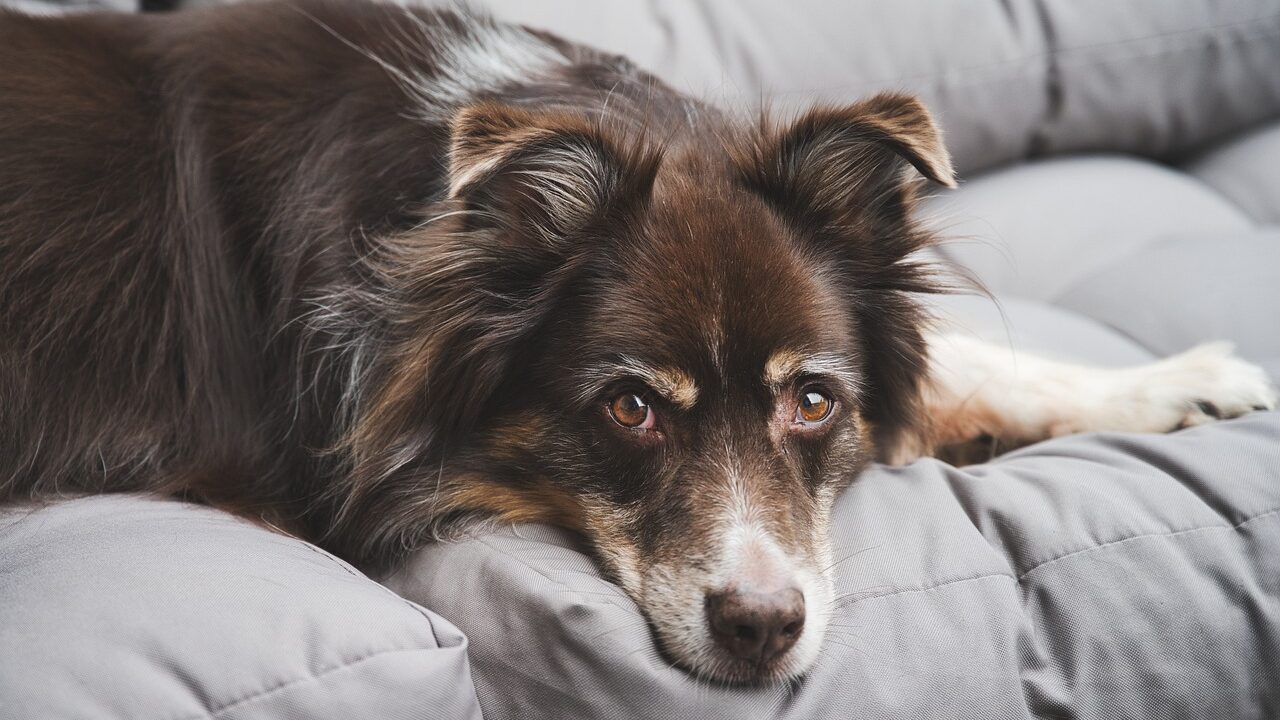
Moving into a new spot can be just as challenging for your pup as it is for you. While the boxes are being unpacked, and you’re arranging furniture, don’t forget about your furry friend’s need to adjust too. Think about it from their perspective: they’ve just landed in a totally new territory with different smells and sights, and they’re likely to feel a bit out of place. So, it’s super important to give them extra love and set up their safe haven pronto.
Remember, staying calm and patient is key. Your dog will be looking up to you for cues on how to react to this new environment. By keeping your cool, you’re telling them there’s nothing to worry about. Now, let’s break down the ways you can aid your pup’s transition into their new home sweet home.
Set Up Your Dog’s Personal Area Immediately
Once the moving van’s been unloaded and you’re setting up your new space, creating a comfy corner for your canine companion is your top priority. This area should be all about them—packed with their favorite toys, a familiar blanket, and their trusty bed. By doing this right off the bat, you give them a sanctuary amid the unfamiliarity, helping to soothe those potential jitterbugs.
Think of it like this: While you have the entire house to sort out and decorate, your dog has this one little spot that’s just for them. It’s a piece of the past and a touchstone for comfort. And hey, it gives them a place to chill while you’re dealing with the moving mayhem.
Re-establish Routine in the New Home
Dogs thrive on routine, so try to maintain your pup’s schedule for meals, walks, and bedtime as much as possible. This can make a world of difference in how quickly your dog settles in. It’s basically them realizing that some things never change, even if their surroundings do.
And speaking of walks, they’re not just for your dog’s physical health but mental well-being too. This familiar exercise routine brings a sense of normalcy to the new digs, making your pet feel more secure and ready to tackle the adventures of a fresh abode.
Explore the New Environment Together
Exploration is the spice of life, especially when it comes to dogs and new homes. Take your buddy on a nice, leisurely tour around the home. Let them sniff around and discover the different spaces at their own pace. Bring along some treats and dish them out when your dog reacts positively to the new area, reinforcing their good vibes with yummy rewards.
Don’t stop at the front door, though; venture into the neighborhood for some quality time. Short walks that gradually become longer can help your dog become acquainted with the sights, sounds, and smells of the new neighborhood. Eventually, you can work your way up to organizing a community dog-walking group. This shared exploration can forge a bond between you both and establish positive associations with the new environment.
Give Extra Attention and Positive Reinforcement
A little extra love goes a long way. After a big move, your doggy might be starving for your attention, so be generous with pets, cuddles, and playtime. And when they exhibit good behavior, let them know they’re acing this whole “moving” thing with some praise and maybe an extra treat (or two).
Equally, if your pup stumbles and has a moment of anxiety or makes a mess, take a deep breath and deal with it calmly. Showing frustration or anger won’t help them learn — compassion and guidance will.
Watch for and Address Any Signs of Anxiety
Be on the lookout for any behavior that’s out of the ordinary for your furry pal. This might include excessive barking, pacing, a tuck tail, or even avoiding food. All of these can be tell-tale signs that your dog isn’t totally at ease yet.
To address their anxiety, ensure they’ve got what they need to feel secure, and consider chatting with a vet if you think your pooch might benefit from some calming aids. Remember, you can also use puzzle toys to redirect your dog’s nervous energy into something more positive and mentally stimulating.
Remain Patient as Your Dog Adapts
Patience is your best friend during this period of adaptation. Just as it takes humans time to get used to a new home, our dogs also need a grace period to settle in. Be understanding of your dog’s needs and feel reassured that eventually, they’ll come to love their new home just as much as the last one.
It’s all about expecting the unexpected and being okay with it—after all, every dog is different. So, whether it takes days or weeks for your pup to become their usual tail-wagging self again, give them the time they need. With your support and understanding, they’ll be ruling their new roost with confidence in no time.