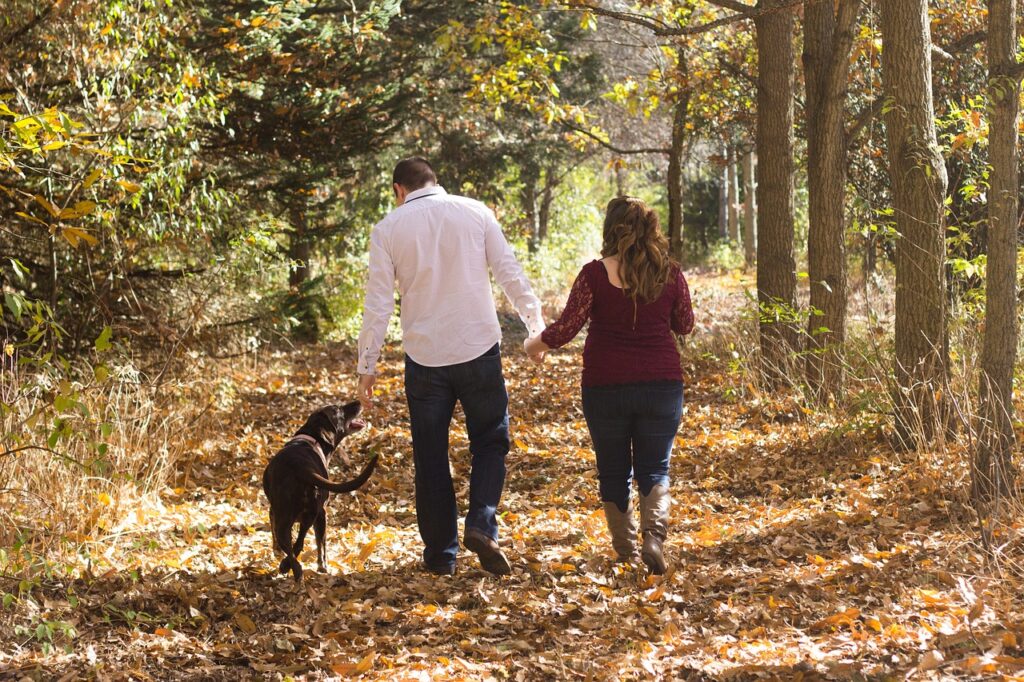
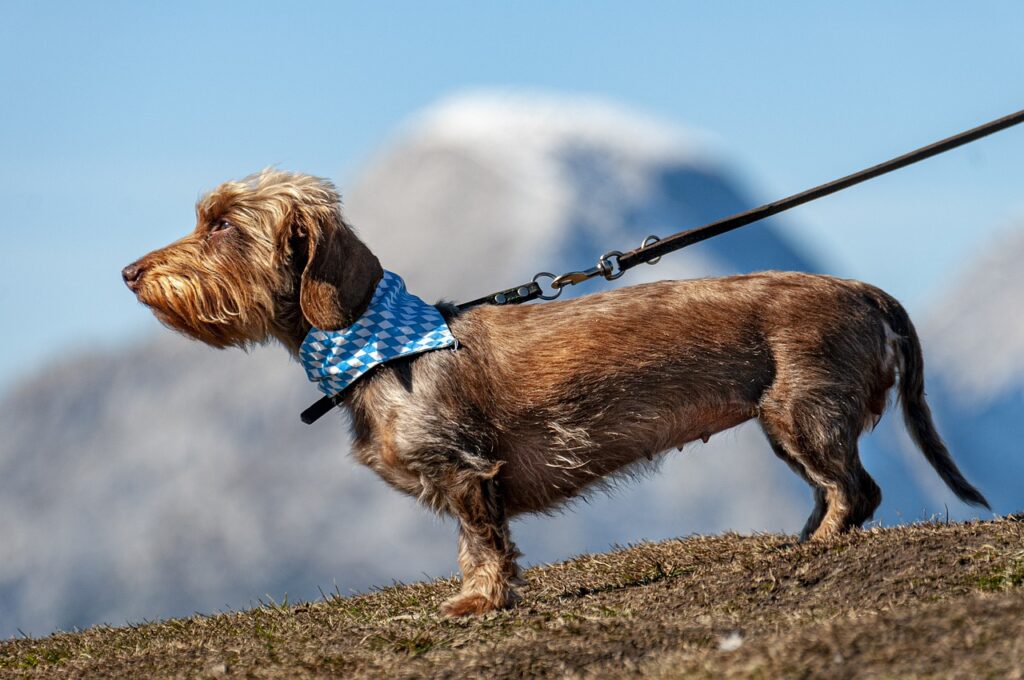
Whether you’re a professional photographer with a keen eye for canine candids or a devoted dog parent looking to capture your furry friend’s moments of glory, mastering the art of dog photography requires equal parts preparation and passion. Knowing how to set up for the ultimate dog photoshoot is key—from choosing a location where your dog feels safe and at ease, to understanding the timing of the day that will cast the perfect natural glow on your pup’s fur. It’s where art meets technical skill and, of course, oodles of patience.
But preparation is only the first step; nailing the camera settings and techniques is an art in its own right. Whether you’re using the convenience of a smartphone camera for that spontaneous shot, a point-and-shoot for its user-friendly appeal, or a DSLR for full creative control, every choice you make impacts the outcome. Emphasizing your dog’s piercing gaze or capturing them in boundless motion involves mastering settings, understanding your pup’s personality, and ensuring you’re both having fun. Sure, a treat can grab their attention, but capturing that authentic expression or quirky tilt of the head is what makes each photo memorable.
Preparing for the Photoshoot
Before you even start snapping pictures, there’s a bit to do to ensure a successful and stress-free photoshoot with your furry best friend. It’s all about setting the stage for those tail-wagging moments!
Choosing the Right Location and Time
Finding a setting where your pup feels safe and comfortable is key to capturing their true character. To nail this, think of places your dog loves—maybe it’s the park they go bananas for, that cozy corner of your home where they love to nap, or the backyard dog playground you built for them.
Remember, lighting can make or break your photos. Aim for either the tranquil hours of golden hour or a shady spot to avoid harsh shadows. Plus, this can really add a magical touch to your dog’s fur!

Gathering Props, Toys, and Treats
A simple way to get spirited shots is to integrate your dog’s treasured toys or favorite treats into the mix. You can even whip out their favorite nutritious pumpkin dog treats! Not only does it help grab their attention, but it can also coax out some candid, playful expressions.
Rewards are essential too—it’s like saying, “Good job!” after they give you that picture-perfect pose. Don’t forget the squeaky toys for that head-tilt wonder!
Considering Your Dog’s Comfort and Attire
You want your pooch to feel like they’re at a day spa, not the vet, so ensure their comfort is priority number one. If you’re thinking about an adorable outfit, make sure it fits well and doesn’t irritate or restrict them.
Comfort isn’t just about what they wear but also how they feel in the environment. Take it slow and always keep an eye on their body language for signs of stress.
Grooming Your Dog for the Camera
Like any superstar, a little primping and preening can go a long way. A good at-home grooming session before the shoot not only makes your dog look fab but can help them feel refreshed and relaxed—which shines through in photos.
Brush out that coat for extra fluffiness and shine, clean around the eyes, and trim the nails. A spritz of doggie cologne? Why not! Just go easy—sometimes less is more.
Understanding Your Dog’s Personality and Body Language
To truly capture the essence of your four-legged buddy, you’ll want to pick up on their unique quirks. Is your dog trained to fetch perfectly? Are they a champion napper? Use their favorite activities to showcase their personality.
Knowing how to read their body language is also crucial. It tells you the best times to snap away and when to give them a break. Happy, relaxed ears and tails mean go-time, but tucked tails and pinned ears mean it’s time for a breather.
The Importance of an Assistant or Helper
Having an extra set of hands can be a gamechanger. An assistant can serve as an expert attention-grabber, holding treats or toys, and helping out with those exciting action shots.
They’re also there to help ensure safety, which is always the most important aspect of any dog photoshoot. Plus, it just makes the whole process more fun when you have a buddy along for the ride.
| Tips for Preparation | Why It’s Important |
|---|---|
| Choose a safe and comfortable location | Comfortable dogs are happy models |
| Include favorite toys and treats | Keeps your dog engaged and makes the experience positive |
| Plan for your dog’s comfort and attire | Ensures your dog stays happy and cooperative |
| Groom your dog before the shoot | They will look their best and it can help them feel their best |
| Understand your dog’s personality | A chance to embody their true spirit in your photos |
| Have an assistant | Provides safety, efficiency, and extra fun |
Camera Settings and Techniques
Snapping the perfect pic of your pup requires a bit more than just pointing and clicking. Let’s dive into the nitty-gritty of getting your camera settings and techniques down pat. We’ll make sure those doggo moments are captured in all their glory!
First things first, the camera you choose can make a big difference. Whether you’re team smartphone or DSLR, both options have their pros and cons. Smartphones are handy and make social media sharing a breeze, while DSLRs offer that professional touch with their manual controls and lens variety. But hey, great shots await no matter what gear you have — just make sure to familiarize yourself with your device.
Selecting the Right Equipment: Smartphone vs. DSLR
Choosing between a smartphone or a DSLR depends largely on convenience, cost, and the level of control you want. Smartphones are easily accessible and perfect for those impromptu photo sessions, while DSLRs offer more detailed adjustments and higher quality images at a higher price point. Know what works for you and your dog, and remember, the best camera is the one you have with you when your pooch does something adorable!
Mastering Natural Light and Best Times to Shoot
The golden hour, that dreamy time just after sunrise or before sunset, is ideal for pet photography. Natural light flatters fur and brings out those mesmerizing doggy eyes without the harshness of midday sun. If you’re indoors, diffuse window light works wonders. Position your dog close to the light source but avoid mixing natural and artificial light to keep the colors true to life.
Camera Settings: Aperture, Shutter Speed, and ISO
Getting to grips with the big three—aperture, shutter speed, and ISO—will give you creative control over your photos. A wide aperture (low f-number) creates a creamy background blur to make your dog stand out, while a fast shutter speed freezes the action for those energetic playtime shots. ISO alters the camera’s sensitivity to light—a lower number is great for sunny days, and crank it up when the light gets low. Play around and see what works best for the ambiance you’re aiming for.
Composition Rules: The Rule of Thirds and Angles of Interest
Compose your shots with a bit of thought to give them that punch. The rule of thirds involves imagining your image divided into nine equal segments and placing your dog along those lines or intersections. It’s a classic for a reason; it just works. Don’t be afraid to experiment with angles as well—get down on their level, or go for that bird’s-eye view for some quirky shots.
Using Burst Mode for Action Shots
Action-packed moments need a quick finger and burst mode. When your dog’s chasing their tail or leaping for a frisbee, burst mode captures several images in rapid succession, increasing your odds of nailing that mid-air shot. Whether it’s your smartphone or DSLR ramming through frames, you’ll thank burst mode for catching those fleeting expressions.
Achieving Dreamy Background Blur
Ah, the elusive bokeh effect. If you want photos where your furry friend is sharp and the background is a soft, dreamy blur, you’re looking to master depth of field. Set your aperture to a wider setting (like f/2.8) and make sure your dog is a good distance from the backdrop. Focus on their eyes for that soulful look, and let the magic happen.
Experimenting with Different Framing and Perspectives
Don’t just stick to the safe shots; variety is the spice of dog photography! Try different framing techniques—fill the frame for impact, leave negative space for a minimalist look, or get on the ground for a dog’s-eye view. Perspectives can be powerful, so whether you’re portraying your dog as the noble creature they are or highlighting their playful side, don’t be shy to try out new angles.
| Camera Setting | What it’s Good For |
|---|---|
| Wide Aperture (e.g., f/2.8) | Captivating portraits with blurred backgrounds |
| Fast Shutter Speed (1/500 sec or faster) | Freezing movement, perfect for action shots |
| Low ISO (100-400) | Sharp, clean images in good lighting |
| High ISO (800+) | Better shots in low light, at the risk of some grain |
| Burst Mode | Capturing multiple shots in quick succession for the best action photo |
Capturing and Enhancing Your Dog’s Photos
Getting that stunning snapshot of your pupper is both an art and a bit of a science. To start off, remember the best photos are taken where your dog feels safe and comfortable, so whether you’re indoors with natural light streaming through the windows or out in their favorite park, that’s where you’ll want to set up shop. Make sure the scene is clutter-free and that your pooch is well-groomed and ready.
As for the technical side of things, your camera—be it DSLR, point-and-shoot, or smartphone—is your best friend. Familiarize yourself with its settings, especially how to adjust exposure and use burst mode for those dynamic action shots. Remember, natural light is often the most flattering, so flash photography is usually a no-go when it comes to pet photos. And always be ready; you never know when your dog will flash you the perfect look!
Focusing on the Eyes for Emotional Connection
When you’re lining up the shot, always focus on your dog’s eyes—it’s the window to their soul, after all, and it will draw viewers into the photo. This helps create a strong emotional connection and brings out your pet’s personality. If you’re outside, the golden hour is your golden ticket for that sparkle in their gaze, and don’t shy away from using a simple reflector to add some extra life to their look.
Getting down at your dog’s level also goes a long way. It might mean getting a bit dirty, but it’s totally worth it. This angle creates a more intimate and engaging perspective, allowing for those detail-rich shots that showcase your furry friend’s true essence.

Encouraging Expressions: Tips and Tricks
Now, capturing your dog’s quirky expressions might require a bit of creativity. Use their favorite toys or treats to grab their attention. Wait for or gently elicit that high-five, playful bark or head tilt. Understand your dog’s body language to capture them at their happiest or most relaxed. But remember, if they ever show signs of stress or fatigue, it’s time to take a break.
The key is to engage with your pet—talk to them, play with them, keep things light and fun. This way, you’re not just taking a picture; you’re capturing a moment that reflects their personality and the bond you share.
Action Shots: How to Prepare and Execute
Action shots are all about movement and timing. Safety first—ensure your dog’s playing in a safe area, especially if they’re off-leash. Start by positioning them some distance away, then call them towards you, camera at the ready. If you’ve got a buddy, have them help by calling your dog while you focus on snapping the photos. Lay low for that impactful, ground level shot and be sure to switch your camera to burst mode, greatly increasing your chances of capturing that perfect mid-stride pose or playful leap.
Keep in mind that action shots require a faster shutter speed to freeze the motion. If you’re using a smartphone, the ‘Sports’ setting can be quite handy. And be patient—it may take a few tries to get that wall-worthy action shot.
Detail Shots: Highlighting Unique Features
There’s so much more to your dog than just their cute face. Maybe it’s the twist in their fur, the boopable snoot, or those wise, sage-like eyes. These detail shots can be poignant and tell a story all on their own. Use a macro lens or mode to really hone in on those unique aspects. Consider the breed-specific traits or the colors and textures that make your dog uniquely, well, them.
Frame your shot in a way that these details are the focal point, and use the right aperture to ensure the focus is just where you want it. Sometimes the smallest features can make the most powerful photos, so take the time to explore and appreciate the finer details.
Silhouettes and Creative Shapes
For a touch of drama, try capturing your dog’s silhouette against a bright background. This works especially well during sunrise or sunset when the light is just right. Get low and make sure your pooch is outlined against the sky or another light source. Adjust your exposure to the background rather than your dog to get that bold silhouette effect.
Playing with shapes can also bring a creative edge to your photos. Look at the environment and see how your dog can become part of a larger abstract composition, whether it’s the curve of a hill they’re standing on or an interesting shadow they cast.
Post-Processing: Editing Tips for the Perfect Finish
Even the best shots can benefit from a little editing. Apps and software can turn a good photo into a great one with a few tweaks. Crop to improve composition, adjust lighting and contrast for mood, and maybe amp up the colors to make your dog’s coat really pop.
The editing stage is also the time to fix any minor issues, like a distracting background element that you didn’t notice in the moment. Remember, the post-process is about enhancing what you captured, not fundamentally changing it.
Storage and Sharing of Your Best Dog Photos
Once you’ve captured and perfected your dog’s photos, think about how you want to store and share them. High-resolution images can take up a lot of space, so investing in good storage solutions, such as cloud services or external hard drives, is important to keep your memories safe.
When it comes to sharing, consider your audience. Will these go on social media, or are they for a personal album? Editing parameters might change slightly depending on where the photos will be displayed. And don’t forget the power of a well-printed photo—a good old-fashioned framed picture, photobook, or a DIY dog scrapbook can be a lovely way to cherish these snapshots of your pup.