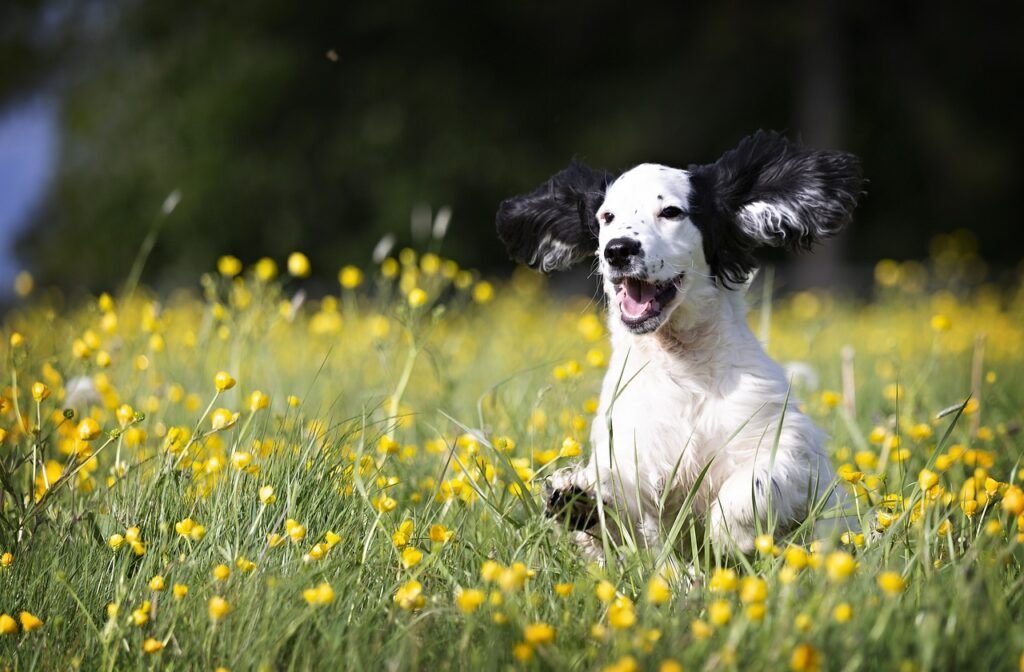
Welcome to the exciting journey of forming a lifelong connection with your newly adopted canine companion. Whether they’re bouncing with energy or carrying the quiet cautiousness of past experiences, your rescue dog will need patience, love, and a safe and supportive environment to call home. Creating a haven that feels secure and comfortable for your furry friend is the essential first step towards building a strong bond that will flourish over time.
With both your lives changing, the ways in which you interact and train together can lay the foundation of trust and mutual respect. A gentle touch, calm demeanor, and consistent schedule for your furry companion are more than just training tools; they’re the instruments that will help you compose a relationship full of loyalty and affection. Together, we’ll explore the gestures that make huge differences, from the slow introduction to your home and careful socialization to shared activities that grow the bond between you and your dog.
Establishing a Safe and Comfortable Environment
Welcome home! Bringing a new pup into your life is an exciting adventure, and setting up a space where they can feel safe and secure is paramount. A smooth transition can set the stage for a beautiful relationship between you and your furry friend.
First things first — ease them into their new world gently. Your four-legged pal might need some time to get used to the sights, sounds, and smells of their new surroundings. Picture yourself in a totally new place; you’d be pretty overwhelmed if everything happened all at once, right? That’s your cue to turn their settling in period into a calm and stress-free experience.
Introduce Your Home Gradually
Begin by showing around your dog one room at a time. Let them sniff around and explore at their own pace. Remember, this is their chance to become familiar with their new territory so keep it chill with no rush. Providing a guided tour of their new home, including where they can find their essentials like food, water, and a cozy sleep spot, helps them feel more in control and less anxious.

Create a Personal Space for Your Dog
Everyone needs a little personal space, dogs included. Set up a special spot that’s just for them — a comfy bed or a crate decked out with their favorite toys. To go the extra mile, create a dog bed with their name on it for personalization. This is their safe haven, a place they can retreat to when they need some quiet time.
Minimize Initial Overstimulation
Keep introductions to new faces and activities to a minimum during those crucial first weeks. Overwhelming your pup with too much too soon can be a lot to handle. Watch for signs they might need a break — look out for tail-tucking or a tendency to hide, which means it’s time to dial things back. You’ll also need to learn how to socialize a shy pup if that’s what you happen to get.
Sleep Near Your Dog to Provide Comfort and Security
At nighttime, consider placing their bed or crate in your bedroom. This can comfort them and help alleviate the stress of being in a new environment. A study found that your familiar scent can be incredibly soothing for a dog in a new home. Even the sound of your breathing can bring them comfort.
Familiarize Your Dog with Their New Routine and Surroundings
Routine is the backbone of comfort. Get your pooch on a regular schedule for meals, walks, and potty breaks. Consistency is key. And speaking of walks — they’re not just for exercise. They’re also perfect for helping your dog get to know their neighborhood and building trust as you guide and protect them. Eventually, you can join or organize a community dog-walking group to get your pup to socialize with other dogs.
| Tip | Reason | Benefit |
|---|---|---|
| House tour on leash | Helps with boundary setting | Dog learns where it’s okay and not okay to go |
| Personal space | Creates security | Aids in anxiety relief and provides a sanctuary |
| Gradual introduction to family | Prevents overwhelming the dog | Smoother social integration |
| Consistent routine | Establishes expectations | Reduces anxiety and builds trust |
Building Trust Through Interaction and Training
Welcoming a newly adopted dog into your life is more about building a lasting friendship than just sharing a space. Trust is a huge component of any relationship, especially with our canine companions who rely so much on our cues and energy. Establishing trust through training and regular interaction is a path filled with patience, but definitely one that reaps big rewards — a loyal and loving friend for years to come.
Your goal is to make your furry buddy feel super secure around you, knowing they can depend on you for their needs and comfort. Let’s break down how to achieve this by focusing on interaction and training that can create the strong bond every dog parent dreams of.
Utilize Calm and Gentle Touch
Touch is a powerful tool when it comes to bonding. Gentle strokes and calm petting can help soothe your pup and convey that they’re in a safe space. Especially in those first weeks, when they might be extra sensitive after possibly having a rough start in life.
Remember to respect their space though. If you notice your dog is feeling anxious or overwhelmed, give them some time. Gradually, as they get more comfortable, you can increase the cuddle sessions. Watching their body language is key to understanding their comfort levels.
Establish Communication Through Training
Believe it or not, training is so much more than teaching your dog to sit or stay. It’s actually about building a language between the two of you. By starting training sessions early, you’re showing them the ropes of their new life and setting expectations.
Training should always be a positive experience. Use those treats and praise to reinforce good habits. You’ll notice how your dog starts to look at you for cues, and that’s a great sign that communication is flowing.
Set Boundaries and Expectations with Positive Reinforcement
Dogs thrive on knowing their limits, and setting those boundaries early on with positive reinforcement training is essential. It’s like giving them a blueprint of what’s cool and what’s not in their new digs. And when they do follow the rules, make a big deal out of it with treats, smiles, and praise.
Sticking to your guns with consistent rules helps your dog relax because they know what to expect from you, and that’s a huge trust builder right there.
Encourage Socialization at a Comfortable Pace
While you’re the main star in your dog’s life, they do need to learn how to interact with others. But take it slow. Introduce them to new people and other pets little by little. Pay attention if they start showing signs of stress and back off if they do. It’s all about baby steps to a social butterfly status.
Remember, socialization isn’t just about making friends. It’s also about getting them comfortable with everyday experiences, like the hustle and bustle of your neighborhood or the quiet of a park trail.
Hand-Feed Meals and Treats for Trust-Building
Hand-feeding isn’t just for the baby animals you see on those wildlife rescue shows. It can also be a fantastic way to build trust with your dog. It’s pretty straightforward: you feed them by hand, and they start to associate you with the good stuff — food!
Doing this can especially make a difference in those early days when your dog is still figuring out that you’re their person. You can even go as far as making homemade dog treats you know they’ll enjoy. Plus, it’s a great opportunity to sneak in some more of that calm and gentle touch we talked about earlier.
Engage in “Give and Take” Games to Prevent Resource Guarding
Playtime is not just fun; it’s educational. Games where you ask your pooch to give you a toy and then you give it back (or trade it for a treat) teach them about sharing and waiting. These games prevent possessiveness and help your dog learn that giving up something doesn’t mean they lose — it means they get something else cool in return!
Always keep it light and happy. If they’re not getting the hang of it, don’t worry. It’s not a competition. It’s all about spending quality time together and building up that trust bank.
Incorporate Play and Exercise as Daily Bonding Activities
Want to be your dog’s favorite person ever? Be the source of all play! Toss that ball, start a tug-of-war, or run around together in the yard. It’s not just about burning off their energy; it’s about showing them that life with you means good times ahead.
Plus, regular play and exercise help keep your dog both physically and mentally healthy. A happy dog is a dog that’s ready to bond. So, get out there and enjoy the fun side of building trust with your new buddy!
| Activity | Purpose |
|---|---|
| Gentle Touch | Soothing, builds security |
| Training Sessions | Communication, establishes routines |
| Setting Boundaries | Creates expectations, provides structure |
| Socialization | Builds confidence, reduces fear |
| Hand-Feeding | Strengthens bond, increases trust |
| “Give and Take” Games | Teaches sharing, prevents guarding |
| Play and Exercise | Increases happiness, promotes health |
Nurturing the Bond Over Time
Once you’ve laid the foundation for a trusting relationship with your rescued buddy, it’s all about nurturing that bond as days turn into weeks, and weeks into months. A bond with a dog is very much like a friendship; it deepens over time with shared experiences and lots of affection. You’ll find that as you include your four-legged pal in your life’s routine, they’ll start feeling right at home.
Activities that you do together, from walking to grooming, can all play a role in strengthening this relationship. And remember, every dog has its own unique personality, meaning there’s no one-size-fits-all approach. You’ll need to stay alert to your dog’s signals and respect their pace.
Regular Walking and Playtime to Strengthen the Relationship
Everyone knows that dogs love their walkies, but did you know that a simple stroll around the block can do wonders for your bond? A walk isn’t just a walk — it’s a time for exploring the world together, for shared adventures, and for communication without words. Stick to routines where possible; consistency is enormously comforting to dogs.
Don’t forget about playtime, either. Whether it’s a game of fetch or hide-and-seek, playing with your dog isn’t just fun — it’s also an essential part of building a trusting relationship. Plus, it’s a great way to release energy and reduce stress for both of you.
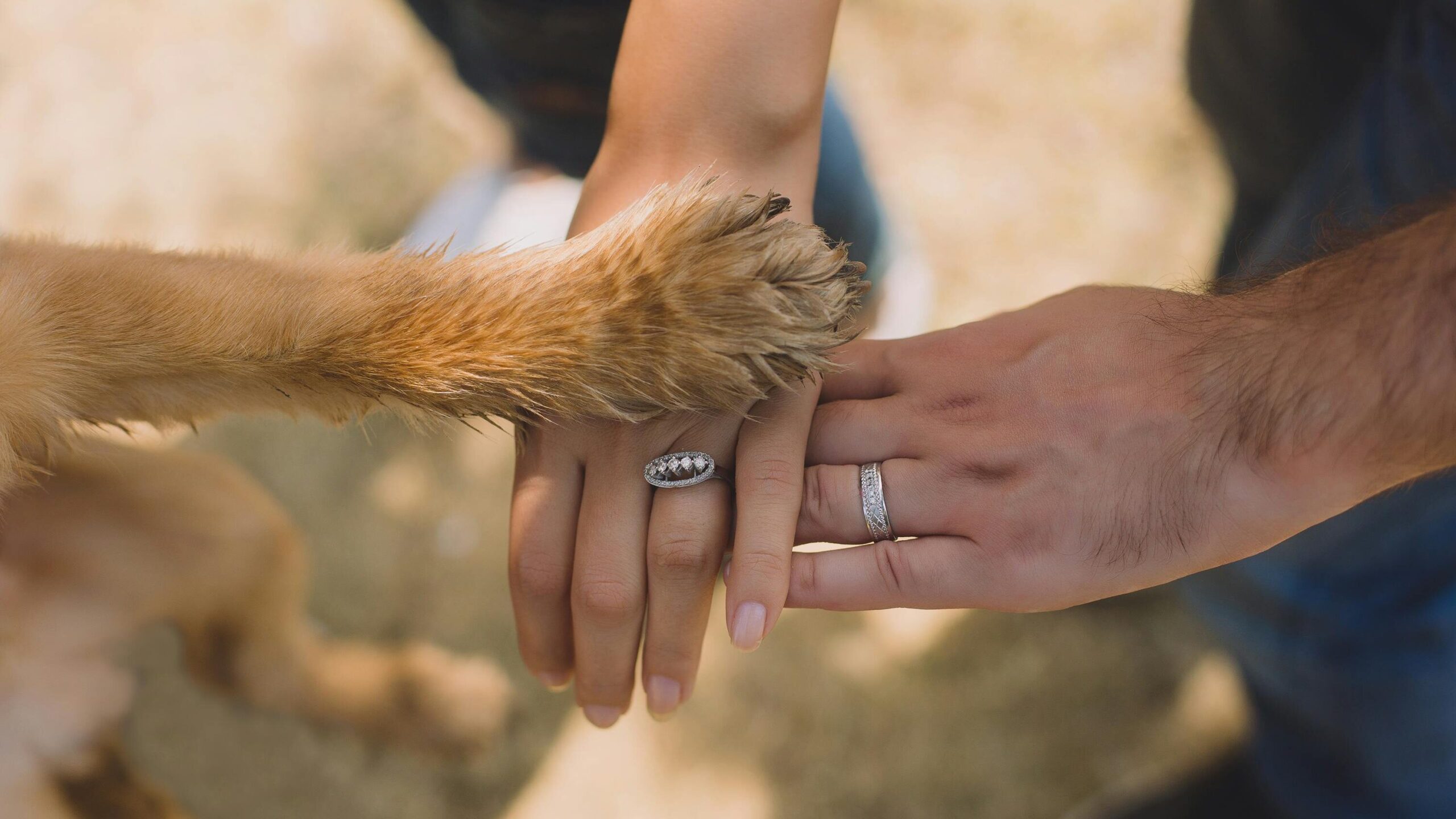
Participate in Grooming and Care Activities
Grooming your dog at home isn’t just about keeping your pal looking sharp; it’s a fabulous way to bond. Brushing your dog’s fur can feel like a soothing massage and it gives you the chance to check for any bumps or bruises that might need attention. And yep, even bath time can be bonding time if you approach it with patience and plenty of treats.
Using tools like the Magic Coat® Love Glove can turn a grooming session into an enjoyable and relaxing experience. Remember, touch is a language all of its own, so gentle strokes and calm handling during grooming can communicate your care and affection.
Be Patient and Allow the Dog to Set the Pace for Bonding
Patience is truly a virtue when it comes to building trust with your adopted dog. They may need time to adjust and settle into their new life with you. Pay attention to their body language and give them the space they need. It’s okay if they need a little ‘me time’; they’ll come to you when they’re ready.
Your calm and consistent presence will reassure your pooch that they’re in a safe and loving home. Gentle guidance, rather than scolding, will prove to them that they can trust you.
Involve Your Dog in Daily Activities to Foster Inclusion
Ever noticed how your dog likes to hang around when you’re doing, well, pretty much anything? They’re social creatures by nature and love being involved in your life. Bring them into your daily routine by having them sit nearby while you work, or letting them follow you around as you do chores. It shows them they’re a part of the pack — your family.
Each activity, whether it’s cooking dinner or sorting laundry, can be a chance to interact. Talk to your dog, even if it’s just commentary on what you’re doing. It helps them learn your voice and your moods, and hey, who doesn’t need a buddy to rant to about mismatched socks?
Observe and Respond to Your Dog’s Unique Personality and Needs
Just like people, dogs have their own quirks and personalities. One may be a couch potato, another an unstoppable fetch-machine. Understanding and appreciating these differences is key to a strong bond. Watch for what makes their tail wag and their eyes light up — and do more of that.
It’s not just about the fun stuff, though. Being responsive to their needs, whether that’s extra bathroom breaks or a quieter place to relax, shows them that you’re paying attention and that you care about their comfort and happiness.
Maintain Consistency in Training and Daily Routines
You’ve probably heard the advice “dogs love routine,” and it’s true. Regular meal times, walks, and bedtimes help your dog feel secure. And when it comes to training, consistency will reinforce not only good behavior but also your role as their dependable leader.
Don’t forget that training is an ongoing process. It’s not just for puppies or new arrivals; it’s a lifetime habit that keeps your dog engaged, helps manage expectations, and affirms the bond between you both.
Recognize and Celebrate Small Progress Milestones
With rescue dogs, every little step forward is a victory. It could be the first time they come to you for a cuddle, or when they master a new command. Celebrating these small milestones is so important. It acknowledges the progress they’ve made and solidifies the bond you’re building together.
So give them that extra treat, that extra belly rub, or share your joy with family and friends. These moments are the building blocks of the trust and love that will come to define your relationship with your dog.
| Activity | Bonding Benefit |
|---|---|
| Regular Walks | Exploration and establishing routines |
| Playtime | Stress relief and trust building |
| Grooming | Relaxation and care |
| Inclusion in Activities | Social bonding and family integration |
| Understanding Needs | Personalized care and stronger connection |
| Training | Engagement and behavior management |
| Celebrate Achievements | Acknowledgment of progress and encouragement |