When it comes to dog aggression, it’s not a matter of if but when for many owners. Aggression can manifest suddenly in any poochie, from the tiny Chihuahua to the towering Great Dane. It’s both a distressing issue for the dog and a frightening experience for the owner. Understanding that dogs generally resort to aggression in very specific situations is crucial in addressing the immediate and underlying issues that prompt this behavior.
Comprehending the signs of aggression, such as intense staring, growling, or baring teeth, is critical for an effective response. Swift intervention is often the difference between a one-time incident and a worsening problem, with early action potentially steering your furry friend clear of the aggression path entirely. And always remember that aggression usually sprouts from fear. This is apparent in the study that found 53.8% of aggression in dogs is offensive—as opposed to 30.8% being offensive. It’s not about dominance or defiance but a desperate communication from your dog when they’re in dire straits, feeling trapped or threatened.
Immediate Response to Unexpected Dog Aggression
When faced with a sudden display of dog aggression, your response can make all the difference. It’s both stressful and alarming to encounter aggressive behavior from a pet, and how you handle the situation is crucial. Understanding the need to act quickly and decisively is paramount in preventing any further escalation and ensuring safety for all involved. Dog aggression can stem from fear, protectiveness, territoriality, or discomfort. Knowing what to do when aggression surfaces can help keep everyone safe.
Since aggression can sometimes be a response to fear or a way for a dog to communicate discomfort, it’s important to assess and manage the situation with calm control. Above all, avoiding escalation is key. This means keeping your composure and trying your best to calm the dog while protecting yourself and others from potential harm.
Let’s explore the steps you should take in the critical moments following the unexpected aggression in your dog.
Recognize the Warning Signs of Aggression
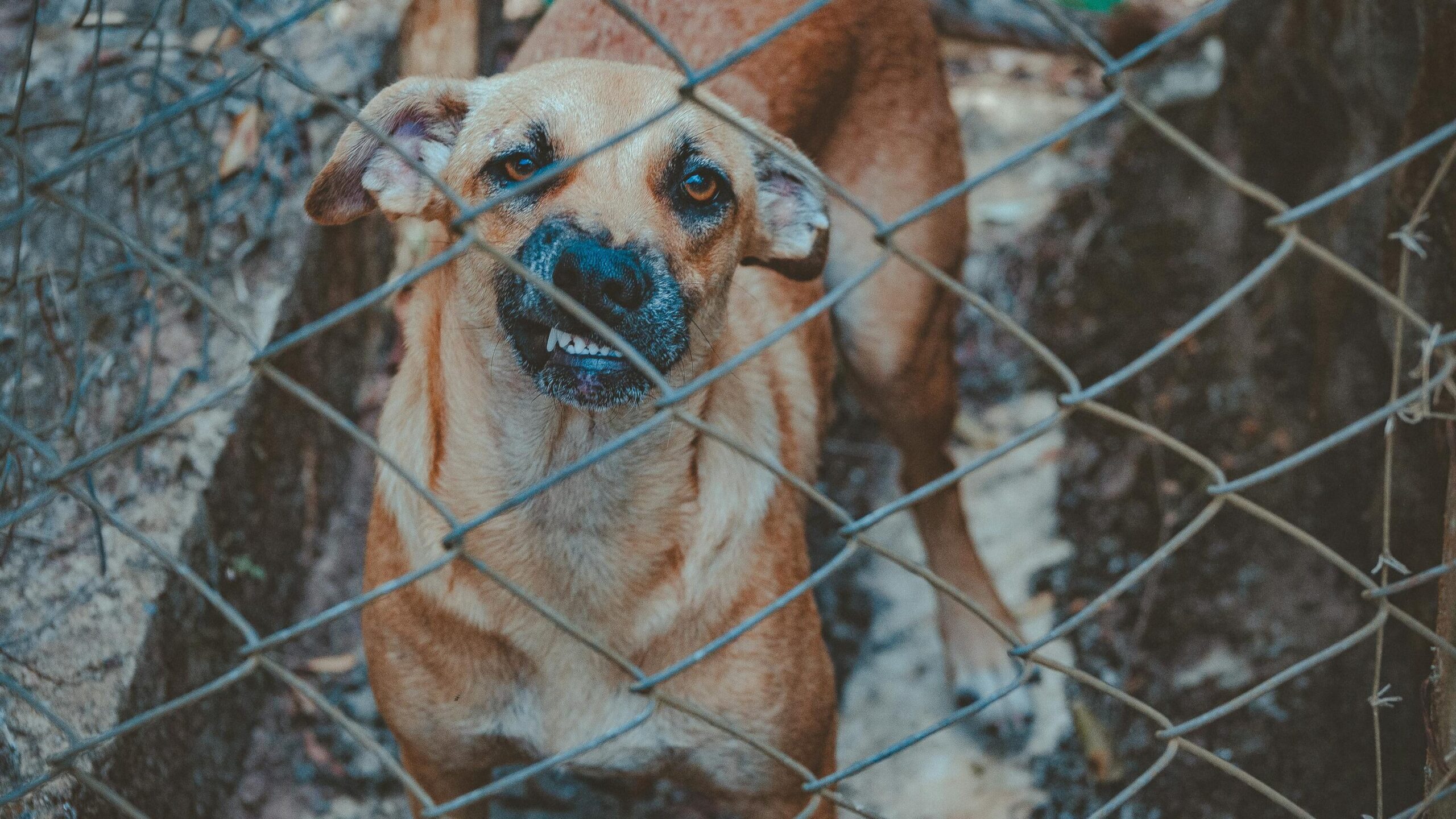
Being attuned to your dog’s body language is the first defense against aggression. Dogs often give signals such as yawning, lip licking, and showing the whites of their eyes when they are starting to feel uneasy. Other signs to watch for include raised hackles, intense staring, and stiff tail movements. By recognizing these early indicators, you can address the situation before it reaches a boiling point.
It’s imperative to act upon these warning signs by removing the dog from the situation that’s causing distress. Keep an eye out for more pronounced behaviors such as baring teeth and growling, as these suggest that aggression may escalate rapidly.

Ensuring Human and Canine Safety
Your top priority should be the safety of all parties involved. If the dog becomes aggressive, ensure that everyone, especially children, maintain a safe distance from the dog. For dogs that have a known history of aggression, it’s a good idea to have a muzzle handy as this can prevent bites. Muzzle training can be a beneficial tool for all dog owners, so that if the need arises, the dog is already accustomed to the feeling.
If a bite occurs, prioritize medical attention for the injured party. Meanwhile, secure the dog in a safe place away from others to avoid further injury while you seek assistance from a veterinarian or an accredited behaviorist.
Calming Techniques to Diffuse Tension
When a dog starts to exhibit signs of aggression, remaining calm yourself is vital. Do not shout or make sudden movements, as these can further provoke the dog. Using soft, calm tones can help soothe an agitated dog. It’s also beneficial to avoid making direct eye contact, which can be interpreted as a challenge.
Sometimes a distraction can help, such as offering a favorite treat or toy, but be cautious not to reward the aggressive behavior inadvertently. The aim is to redirect the dog’s focus from the trigger to something positive.
Removal from the Triggering Situation
If there is a clear trigger for the aggression, such as another animal, a stranger, or a particular activity, remove the dog from the situation promptly. Recognizing and avoiding triggers is essential for immediate and future safety. For dogs that are aggressive towards other dogs or people, select walking routes and times that are less crowded to minimize encounters.
Always use a leash in public spaces to maintain control and prevent your dog from running toward the trigger. For home situations, having a designated safe space where your dog can relax without exposure to stressful stimuli can make all the difference. For example, you can build a dog house, whether indoors or outdoors, where they can retreat to feel safe.
Avoiding Escalation and Protecting Others
To prevent a bad situation from getting worse, never punish a dog for aggression. Not only is it ineffective, but it may also increase the dog’s stress and likelihood of more aggressive behavior. Instead, focus on gentle and positive interventions.
Children should never be left alone with a dog exhibiting aggression, and interactions with other pets should be supervised closely. Until you can get professional help and properly address the behavior, it may be necessary to implement temporary measures like full segregation from other pets and a no-visitor policy. You must take this seriously, considering that nearly 1,000 US citizens need emergency care treatment for dog bit injuries.
| Precautionary Steps | Action |
|---|---|
| Spot Early Warning Signs | Diffuse tension before escalation |
| Ensure Safety | Keep a safe distance, use muzzles if necessary |
| Use Calming Techniques | Speak softly, avoid eye contact, offer distractions |
| Remove Triggers | Avoid known situations that cause aggression |
| Protect Others | Supervise interactions, limit exposure to others |
Identifying and Addressing Underlying Causes
When a dog suddenly starts showing signs of aggression, it’s not just about managing the behavior in the moment. To really address the problem, we need to get to the bottom of what’s causing this change in temperament. Is something medically off? Could they be stressed or scared? Or maybe there’s something in their past or immediate environment impacting their actions? Understanding and addressing this can make all the difference.
Finding the root causes of canine aggression is crucial and often requires looking at a variety of potential factors—from medical conditions to previous experiences. A methodical approach, often with professional help, is needed to figure out why a furry friend has shifted from being your cuddly companion to displaying concerning behavior.
Medical Issues That Can Cause Aggression
No one likes to see their dog in distress, and sometimes that distress can lead to aggression. Pain and discomfort can make the sweetest pups turn snappy. They’re not being mean, they’re just trying to tell you something is wrong. It’s like if you had a toothache and had no way to explain it, you might get grumpy too.
Common health problems, such as ear infections, dental issues, or even thyroid imbalances, can make dogs act out. It’s essential to check with your vet to rule out any medical reasons for a sudden change in behavior. After all, we’d want someone to do the same for us if we weren’t feeling up to par.
Behavioral Triggers and Environmental Stressors
Dogs, much like us, can have a tough time with change or stress. Maybe there’s a new pet in the house (in which case, you need to learn how to introdce your new pet properly), some noisy construction nearby, or they’ve had a bad run-in with another dog. One important step is learning to read your dog’s body language. They can’t use words, but they sure have plenty of non-verbal cues to communicate if you’re paying attention.
In addition, managing their environment and limiting exposure to known stressors can help prevent aggressive responses. This might mean walking them at quieter times or giving them a safe space where they can retreat when overwhelmed.
Historical Factors and Past Experiences
You know how sometimes something from your past affects how you react to things now? Well, dogs are the same. If they’ve been through a rough time or had bad experiences before—like being mistreated or getting into a nasty fight—it can shape how they see the world. Identifying these historical factors is crucial in understanding their behavior and helping them heal.
Work with a behavior specialist if you suspect your dog’s aggression stems from past trauma. They can help you and your pup work through these issues safely and healthily.
Consulting Professionals for Health and Training
Let’s face it. We don’t always have all the answers. And when it comes to a change in our dog’s behavior, sometimes we need a little extra help. All the good intentions in the world might not be enough if we’re not trained in animal behavior. That’s where the pros come in—your vet or a certified dog trainer can offer insight and strategies to deal with aggression.
They have the experience to take in the whole picture, from the physical to the psychological, and can tailor a plan to your dog’s specific needs. Remember, it’s okay to ask for help.
Importance of Routine Check-ups with a Veterinarian
Just like you have your regular doctor’s check-ups, your dog needs the same. Regular vet visits are super important, not just for keeping vaccines up to date but for catching any potential problems early on. Plus, your vet can be on the lookout for any behavioral changes that might need attention.
It’s all about keeping your buddy in tip-top shape—physically and emotionally. Catching signs early can mean a world of difference for your dog’s well-being and happiness.
| Factor | Description | Recommended Action |
|---|---|---|
| Medical | Health issues that could cause aggression, like pain or thyroid problems | Consult a vet for a full checkup |
| Behavioral | Stress or fear related to environment or past experiences | Work with a trainer, manage environmental stressors |
| Historical | Past traumas or negative experiences affecting behavior | Seek support from behavioral specialists |
| Professional Help | Insight and training strategies from vets and behaviorists | Engage with professionals for tailored solutions |
| Routine Check-ups | Maintenance of overall health and monitoring for behavioral issues | Schedule regular veterinary appointments |
Preventative Measures and Long-Term Solutions
Dog aggression isn’t something you want to deal with on the fly. It’s distressing to see your furry friend acting out, and it can be a sign of deeper issues. It’s all about getting ahead of the game and putting in place some preventative measures and long-term solutions. By tackling dog aggression proactively, you can help your dog live a happier life and avoid the stressful situations that aggression can bring about.
Let’s be clear: dogs aren’t naturally inclined to be aggressive without reason. There’s usually something that’s making them feel threatened, scared, or so uncomfortable that lashing out is their last resort. Whether it’s fear, a medical condition, or a mishmash of environmental factors, understanding what sets off your dog is key. And the more you know about canine body language, the easier it will be to spot those signs of discomfort before they escalate into something more serious.
Socialization and Positive Reinforcement Training
Catching things early can be a real game-changer. Early socialization is crucial in ensuring your pup is well-adjusted and can handle different types of situations, animals, and people. Introducing your dog to a variety of situations helps them develop the coping skills they need to remain calm. Remember, the goal here is to build up positive experiences. Encourage friendly behavior with plenty of praise, treats, and love because dogs respond to positive reinforcement. This doesn’t mean overwhelming your dog; take it slow and steady.
Training isn’t a one-off thing. It’s an ongoing commitment. Consistency is the name of the game here. Mix up your training routines, keep things fresh, and always end on a high note to maintain enthusiasm. You’ve got this!
Understanding Canine Body Language and Communication
Reading your dog’s body language is pretty much like learning a new language. Understanding what your dog is silently communicating can help you intervene before things go south. Pay attention to their posture, tail position, facial expression, and vocalizations. Is your dog yawning a lot, avoiding eye contact, or licking their lips? These can be signs of anxiety or stress. Know the difference between a relaxed stance and a rigid one signalizing trouble on the horizon.
Being able to read these cues can change the game. It’s about being empathetic to what your dog might be going through. No one likes to feel cornered or threatened, so give your dog the space they need when they need it and acknowledge their feelings. This could be your superpower in managing any potential aggression.
Safe Management Strategies for Aggressive Dogs
Every dog is an individual, and managing aggression is not a one-size-fits-all deal. It’s about personalizing your strategy to suit your dog’s triggers. For dogs that are aggressive toward other dogs, it means being aware of your walking routes and times, and maybe using a lead or muzzle if necessary. If they’re not too fond of strangers, come up with a plan to manage visitors to your home. This might mean setting up a safe space for your dog where they feel secure when guests are over.
You want to avoid putting your dog into a situation that you know will set them off. And, of course, never leave kids unattended with a dog who’s shown aggression. It’s about being smart and keeping everyone, including your dog, safe and relaxed.
Consistency in Training and Leadership
| Aspect | Importance |
|---|---|
| Routine | Provides a sense of security and predictability for your dog |
| Rules | Helps establish clear boundaries and expectations |
| Leadership | Ensures that the dog looks up to you for guidance in stressful situations |
Besides a tight training regime, your dog needs to see you as their leader. And I’m not talking about being a drill sergeant; it’s about consistency with commands and rules. This way, your dog knows what to expect from you, and you know what to expect from them. You’re creating a bond that’s based on trust and mutual respect. Great leaders are great listeners, so make sure you’re also considering your dog’s feelings.
If you’re not sure how to go about it, don’t stress. Nobody expects you to be an expert off the bat, and there’s no shame in asking for help. Professional trainers and behaviorists can work wonders, especially if things are already a bit tense. Be patient, both with yourself and your fur buddy, and stick to the plan. You’ll both learn and grow together.
Considerations for Multi-Dog Households
Running a house with more than one dog can feel like you’re a referee in an ongoing wrestling match. You’ve got multiple personalities, temperaments, and a pack dynamic that can sometimes lead to trouble. It’s all about balance and making sure each dog feels seen and valued. Give them their own space, attention, and time. This can really help prevent those jealousy-fueled squabbles.
Know when to intervene and when to let them sort things out themselves. Yep, it’s a bit of a tightrope walk, but it’s definitely doable. Oh, and coordinated training sessions? They’re a fantastic way to promote teamwork and establish a pecking order that doesn’t involve fighting.