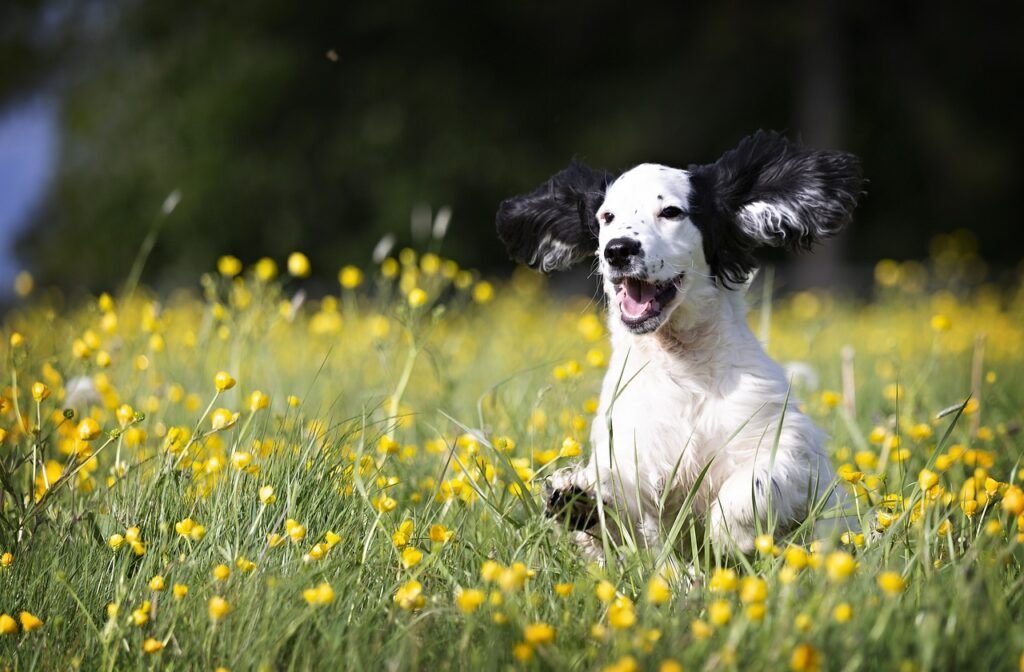
Imagine the artful blend of dance and obedience coming together in a sport that strengthens the emotional bond between you and your furry best friend—that’s canine freestyle for you. At its heart, canine freestyle is about showcasing the remarkable teamwork, creativity, and communication that can be achieved between a dog and its handler, with routines that are as much about fun as they are about the flourish of spins, patterns, leaps, and synchronized footwork.
Before you jump into striking a pose with your pooch to your favorite tune, it’s essential to get a grip on the basics: a solid foundation in obedience training, the right equipment like a music player and a leash, and a safe performance area. From there, you dive into the world of music and choreography, piecing together a routine that lights up both your hearts. And for the wellbeing of your star performer, health and safety considerations are paramount to ensure both of you enjoy this wonderfully expressive sport to the fullest.
Understanding the Basics of Canine Freestyle
Imagine combining the rhythm and creativity of dance with the discipline of dog obedience; that’s the essence of Canine Freestyle. If you’re intrigued by the idea of twirling and stepping in sync with your furry buddy, this is definitely a sport to explore. It’s not just about looking good; this art promotes an extraordinary partnership and understanding between humans and their canine companions, leading to a stronger bond and a whole lot of fun.
More than just an impressive show, Canine Freestyle offers both physical and mental stimulation for your pooch. And good news for all dog owners: virtually any breed or mix can strut their stuff in this sport. While some dogs like Border Collies and Poodles might have a natural rhythm, the sport embraces all participants with the shared goal of creating harmony and joy through movement and music.
Defining Canine Freestyle: The Art of Dance and Obedience Combined
Canine Freestyle is a performance sport that features a mix of obedience, tricks, and dance that allows for creative expression. Dogs and their handlers work together to execute choreographed routines set to music. Think of it as a dance duet where your dog is your partner, showcasing not only the technical skill but also your mutual trust and connection.
The performance may include a variety of movements such as spins, leaps, and synchronized footwork that highlight the dog’s agility and responsiveness. It’s a testament to the hard work and dedication of both the dog and owner, bringing a sense of pride and accomplishment with every perfectly timed step and beat.
Essential Preparations: Obedience Training as a Foundation
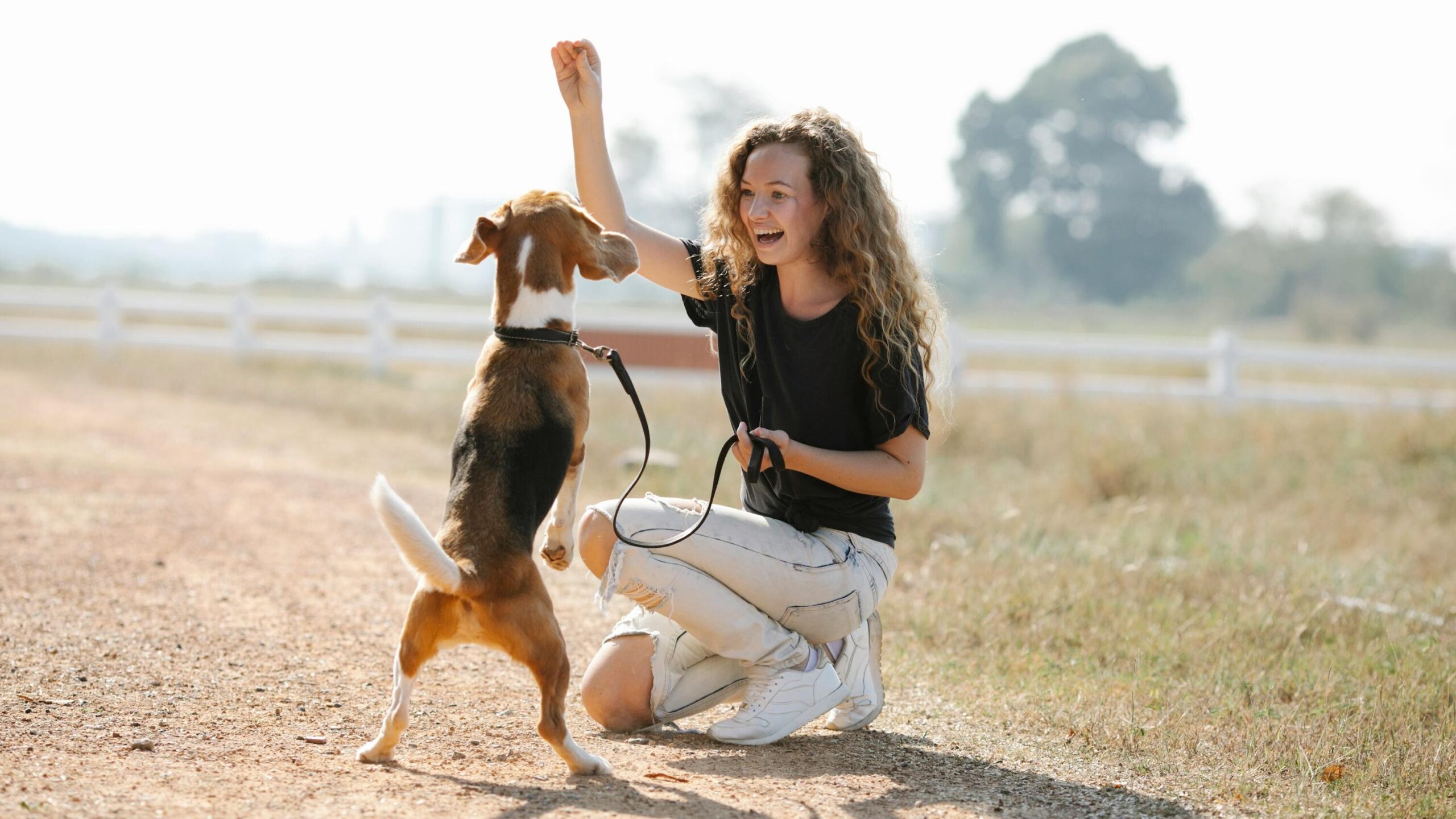
Before you even start thinking about grooving to the beat, you need a solid foundation. Obedience training is a must, and you might employ the expertise of a dog trainer for this. Without this training, synchronizing your moves with your pup can turn into a comedic blunder rather than an elegant dance. Training exercises such as heeling, sitting, staying, and other commands are key components of this foundational phase.
Once you’ve got the basics down, you can start incorporating more complex moves. It’s all about building up from simple obedience to more advanced choreography—it takes patience, practice, and a lot of treats, but the payoff is an incredibly well-trained and responsive partner.
Equipment Check: What You’ll Need to Get Started
Before you hit the proverbial dance floor, you’ll want to ensure you’ve got all the right gear. The essential equipment list is fairly minimal, which is great if you’re just testing the waters:
- A music player to rehearse and perform your routines
- A standard leash for safe and controlled practice
- A spacious area that’s safe for both you and your dog to move around in freely
For those who decide to step up their game, props and costumes might join the ensemble, adding a dazzling touch to your performance. But remember, safety always comes first, so whatever you bring into the mix should be suitable and safe for your dog.
Music and Choreography: Setting the Stage for Your Routine
Pivotal to Canine Freestyle is the harmony between your chosen music and the steps you design. Choreographing a routine involves careful selection of tunes that not only match your dog’s movement style but also reflect your combined personality. This aspect is all about the flow, the rhythm, and the story you want to tell.
It’s a creative process where you map out moves that express the music and show off your dog’s unique flair. Whether your dog’s a natural jumper, a spinner, or has some seriously fancy footwork, you’ll want those talents to shine through in your routine when you teach your dog how to dance.
Health and Safety Considerations: Ensuring a Safe Experience for Your Dog
It goes without saying, but the health and safety of your canine partner is your number one priority. Every twirl and leap should be within your dog’s physical capabilities. Be mindful of the signals your dog sends you during practice sessions; pushing too hard can lead to injuries or burnout.
Regular veterinary check-ups are important to ensure your dog is fit for the physical demands of freestyle and to help spot any underlying issues before they become problematic. Positive reinforcement, patience, and treats will make for a happier, healthier, and more willing dance partner.
| Activity | Benefits |
|---|---|
| Canine Freestyle | Strengthens bond, provides physical/mental stimulation, encourages creativity |
| Obedience Training | Provides foundation for freestyle, improves responsiveness and control |
| Regular Practice | Enhances performance, builds confidence, reinforces routine |
Developing Your Canine Freestyle Skills
Once you’ve got a grasp of what canine freestyle entails, it’s time to dive into honing your skills and creating mesmerizing routines with your furry partner. Remember, the core of this sport is the incredible bond you share with your dog, which only strengthens with every step and spin you take together. From understanding your dog’s movements to selecting the perfect tune, let’s break down what it’ll take to elevate your canine freestyle game.
Getting serious about canine freestyle means committing to regular practice and continuing to build on the obedience foundations you’ve established. Think of it as an art where you and your dog are both the artists and the masterpiece.
Selecting the Right Music for Your Routine
Finding the perfect soundtrack for your routine is crucial. The music sets the mood, pace, and style of your performance. It should be something that reflects both your and your dog’s personality and energy level. Consider the following when making your choice:
- Beat and tempo that match your dog’s natural gait and the speed at which they perform best
- Music that you both enjoy, as this will reflect in your performance
- A track with clear, consistent beats to help keep your movements synchronized
Once you’ve picked your tune, it’s time to get creative with choreographing your routine around it.
Basic Moves to Master: Spins, Patterns, and Synchronous Footwork
There’s a repertoire of moves that acts as the building blocks for any routine, and mastering these will give you a strong foundation to add more complexity later on. These moves include:
- Turns and spins in both directions
- Patterns such as circles, figure-eights, and serpentines
- Synchronized footwork, where your steps match your dog’s
As you and your dog grow more comfortable with these movements, you can start developing routines that showcase your combined talents.
Enhancing Creativity and Expression in Your Routines
Canine freestyle is as much about expression and storytelling as it is about dance and obedience. To enhance creativity in your routines:
- Think outside the box and try moves that aren’t commonly seen in canine freestyle.
- Incorporate props, costumes, or unique elements that relate to the theme of your music.
- Observe your dog’s natural behaviors and movements; use them as inspiration.
Expressiveness is key. Let your routine tell a story that captures the audience’s attention and showcases the connection you share with your canine companion.
Practicing at Home: Tips for Regular and Productive Training Sessions
Regular home practice is essential for perfecting your freestyle moves. Here are some tips to make the most out of your training sessions:
- Set aside a consistent schedule for practice that aligns well with your dog’s daily schedule.
- Keep sessions short and sweet to maintain your dog’s enthusiasm.
- Use positive reinforcement to motivate and reward your dog.
Remember to be patient and let your dog set the pace. This should be a fun, bonding experience for both of you.
Attending Classes and Workshops for Hands-On Learning
No matter your level of experience, attending a class or workshop can be incredibly beneficial. Not only will you receive expert guidance, but you’ll also meet fellow enthusiasts to exchange ideas with.
Here’s what to consider:
- Look for classes tailored to your skill level, from beginner to advanced.
- Make sure the class size allows for individualized attention.
- Workshops may offer a deep dive into specific areas of freestyle, such as music selection or choreography.
Enrolling in classes is an investment not just in your skills but also in the happiness and mental stimulation of your four-legged partner.
| Training Focus | Benefits |
|---|---|
| Obedience Base | Ensures safe and responsive performances |
| Regular Practice | Builds confidence and muscle memory |
| Expression and Creativity | Enhances the bond and makes routines more engaging |
| Continued Education | Improves skills and provides networking opportunities |
Showcasing Your Talent: Entering the World of Canine Freestyle Competitions
The leap from practicing canine freestyle at home or at your local park to entering the competition stage is exhilarating. Competitions not only offer a platform to showcase the hard work and creativity you and your furry partner have put in, but they also act as a catalyst to strengthen the existing bond between you and enhance your skills even further.
Participating in these events can be incredibly rewarding for both you and your pal, offering opportunities for growth, community engagement, and a deeper appreciation for this unique sport. So, let’s dive into what it takes to enter the fascinating world of canine freestyle competitions, shall we?
Finding the right competitions can seem daunting at first, but with organizations like the Canine Freestyle Federation (CFF) and The World Canine Freestyle Organization (WCFO), you’re never too far from your next opportunity to shine. These organizations not only host events but also set the standards in the sport, which guarantees that you’ll be participating in esteemed and well-organized competitions. Prepare to meet fellow enthusiasts, swap tips, and even get inspired by the impressive routines others have to offer. It’s a whole community waiting to welcome you!
Finding Competitions and Performances: Where to Start
Beginning your journey into the competitive sphere of canine freestyle involves a bit of research. Networking with local clubs and communities often leads to finding events that might not be widely advertised. Websites of organizations such as CFF and WCFO are excellent resources for upcoming competition information. Additionally, local dog training centers can provide insights into regional contests and may even help in the registration process.
Preparing for a Canine Freestyle Event: Training and Logistics
Once you’ve marked your calendar with potential competitions, the focus shifts to fine-tuning your performance. Pre-competition preparation encompasses both technical elements, like refining moves and transitions in your routine, and logistics, such as travel plans and accommodation if the event is out of town. Creating a checklist of equipment, costumes, and props you’ll need is crucial to ensuring nothing is forgotten on the big day.
Embracing the Community: Connecting with Other Enthusiasts and Professionals
Canine freestyle is as much about the community as it is about the competition. Attending events exposes you to a myriad of individuals who share your passion. Engaging with this community can lead to valuable friendships, mentorship opportunities, and the joy of connecting with people who understand the unique bond between a handler and their dog. Prepare to exchange stories, training tips, and maybe even find a new training partner in the mix!
The Role of Canine Freestyle Organizations: CFF and WCFO Explained
Understanding the role of canine freestyle organizations is essential. Not only do CFF and WCFO provide a structured environment for competitions, but they also offer standardized rules and guidelines which ensure fairness and safety for all participants. These organizations are also excellent for sourcing additional resources, such as educational materials and workshops that can further enhance your journey in canine freestyle.
Beyond the Competition: The Lifelong Benefits for You and Your Dog
While ribbons and accolades are exciting, the real prize in canine freestyle competitions is the lifelong benefits it brings to you and your dog. The sport is designed to improve your dog’s physical fitness and mental alertness, while for you, the handler, it continues to grow your ability to creatively express yourself and connect with your dog on a deeper level. The personal growth and enhanced relationship that develops from this activity make all the practice and participation worthwhile, competition or not.
| Canine Freestyle Organizations | Role | Resources Offered |
|---|---|---|
| CFF (Canine Freestyle Federation) | Hosts competitions, sets standards | Educational materials, workshops |
| WCFO (World Canine Freestyle Organization) | Hosts international competitions, governance | Rules & guidelines, training resources, international networking |