Maintaining your dog’s pearly whites is more than just about keeping their smile Instagram-ready; it’s pivotal to their overall health. With dental disease taking second place only to ear infections in our canine companions, regular home care isn’t just optional—it’s essential. Ignoring your furry friend’s dental needs can lead to plaque build-up, resulting in discomfort and potential health complications that no pet parent wants. That’s why establishing a consistent daily dental routine can save not only your dog’s teeth but also your wallet from expensive treatments down the line.
Many owners ponder if alternatives to the toothbrush can still keep Spot’s teeth in tip-top shape. From dental chews to special diets, the market floods us with options promising to maintain or improve dental health, some of which are indeed effective. But, as with anything we introduce to our pet’s regimen, it’s wise to chew over these options carefully. Consulting with a vet is the best way to sift through the myriad of products and procedures. Whether it’s picking the right toothpaste flavor (chicken or peanut butter?) or deciding when to rope in the professionals for a cleaning, knowing the available paths to a healthy mouth is the first step in giving your dog the healthy and happy life they deserve.
Establishing a Daily Dental Routine for Your Dog
Maintaining your furry friend’s pearly whites isn’t just about a winning smile—it’s crucial for their overall health. Getting into a daily dental routine can ward off the dreaded plaque and dodge those steep vet bills that come with dental issues.
Remember, dental problems can hit second place on the list of why your pooch might need medical attention. But, with patience and the right technique, you can keep your dog’s teeth sparkling and their gums healthy, squashing any chance for discomfort or more severe health impacts.
Selecting the Right Tools
First up, you’re going to need the right gear. A visit to the vet or a well-informed pet shop can get you set up. Grab a special dog toothbrush—those angled handles and soft bristles are a match made for mutt mouths. And while peanut butter might be a classic treat, dog toothpaste comes in the same yummy flavors. Just don’t share your own minty fresh paste—what’s good for us can be toxic to them.
Step-by-Step Guide to Brushing Your Dog’s Teeth
Now for the nitty-gritty. Ease your dog into it, maybe post-play when they’re a bit tired. Choose a calm spot with good light, and hold off on full-on brushing until your pup gets used to you dabbling around their gums and teeth. Take it slow, celebrate the little victories, and build up from there.
When it’s time to get brushing, work on those outside surfaces first, making gentle circles. Don’t worry if the inside parts seem tricky; you can get to those with time as your dog’s comfort level grows. Remember, each session is one step closer to a grin that’s as healthy as it’s happy.
Making Tooth Brushing a Positive Experience
The secret sauce to successful brushing is positivity. Keep things upbeat, and make sure your pooch sees the toothbrush and paste as pals, not foes. Small treats and heaps of praise can turn this chore into something your pup actually looks forward to. Think of it as a team effort where you both win—snuggles now, fewer health issues later.
Frequency of Brushing for Optimal Dental Health
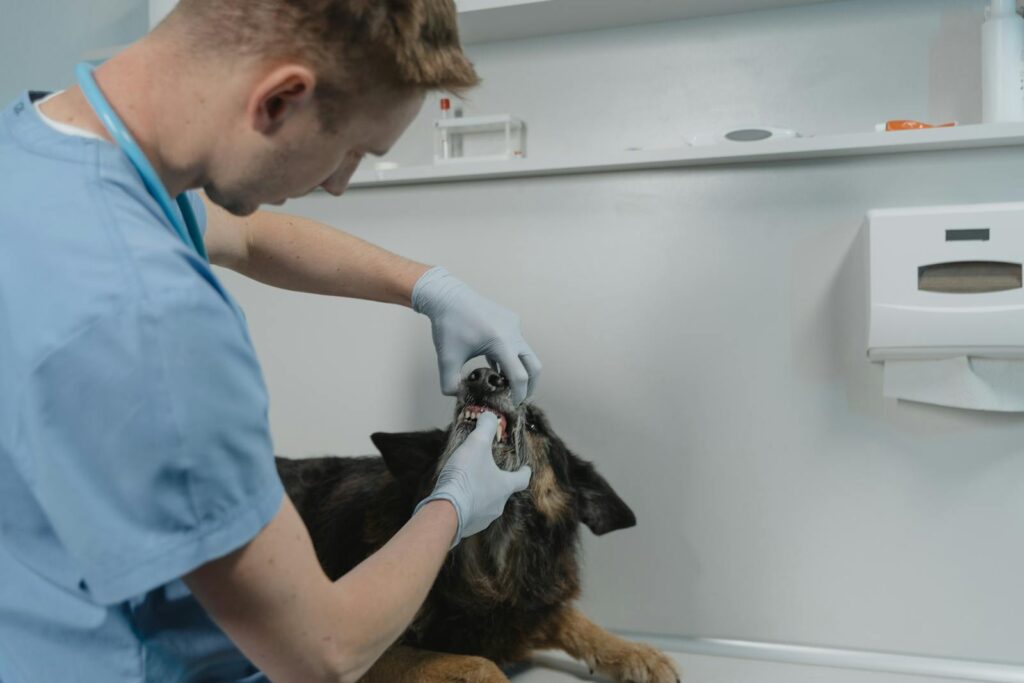
And here’s a fact that might get your tail wagging: daily brushing makes a huge difference. Yep, those dental nasties can start setting up camp within 24 to 36 hours. So, pull out that brush each day, and sustain those toothy gains, keeping the vet and their tools at bay.
| Key Point | Details |
|---|---|
| Dental Disease Prevalence | Dental disease is alarmingly common in dogs, often leading to severe discomfort and hefty vet bills. |
| Right Tools | Use specially designed dog toothbrushes and doggie-flavored toothpaste. |
| Introduction to Brushing | Start slow to acclimate your dog, then advance to a thorough, regular brushing routine. |
| Positive Experience | Reward and praise your dog to create a pleasant association with tooth brushing. |
| Brushing Frequency | Daily brushing is most effective in preventing dental problems and promoting oral health. |
Alternative Dental Care Options and Their Efficacy
Okay, so your buddy’s teeth brushing routine is set, but what about those days when life’s a bit too hectic or Fido just isn’t having it? Enter alternative dental care options. This isn’t about getting out of daily toothbrushing, but rather a supplementary strategy to keep your dog’s teeth sparkling and their gums healthy. Remember, variety is key in your dentist-approved arsenal against plaque.
Let’s be real, even though we know it’s for their own good, not all dogs are going to sit still for a teeth cleaning session. That’s where alternatives like dental chews, special diets, and even toys can step in to lend us a hand. They’re not just a treat or a plaything; they serve a double duty in promoting dental health. But do they really replace a good tooth-brushing? Spoiler alert: No. But they do make a significant difference.
Dental Chews and Treats: Do They Really Work?
Chomping on dental chews is like having a brush and floss session for your dog. They’re designed to remove plaque and freshen breath—a favorite for the busy pet parent. But remember, while treats and chews are helpful, they can’t reach everywhere in the mouth like brushing can.
| Dental Chew Benefits |
|---|
| Reduces plaque and tartar |
| Keeps breath fresh |
| Stimulates gums |
Now, not all chews are created equal, and size does matter here. Those made for tiny terriers aren’t going to cut it for your Great Dane. Plus, watch out for the calories. We don’t want an unwitting trade-off between dental health and a pudgy pup.
The Role of Diet in Dental Health
Eating dry kibble can be a workout for your dog’s mouth. It’s like a mild scrub with every bite. Some diets even have special dental benefits, making each meal a step towards cleaner teeth. Here’s the catch: a vet should be your go-to for dietary advice, because each dog’s needs can be pretty unique.
Substituting wet food for kibble or incorporating specially formulated dental diets can make a real difference. And those bite-sized kibbles might not just be convenient—they can act like a toothbrush in disguise.
Professional Cleanings: When to Consider Them
Don’t underestimate the power of a professional cleaning. Your vet can do wonders in the dental department. Scaling, polishing, and all—it’s like a spa day for your dog’s mouth, minus the scented candles.
Scheduling these cleanings is crucial when Fido’s breath gets a bit too funky or the vet spots early signs of trouble. It’s all about prevention and not waiting until those tell-tale signs of tooth trouble show up.
Dental Toys and Their Contribution to Oral Hygiene
Playtime isn’t just fun and games—it’s an undercover dental appointment if you choose the right toys. Durable chew toys encourage your dog to gnash and grind away plaque, especially that gunk hiding in the back of their mouth.
Whether it’s a chew rope or a rubber toy, look for something sturdy enough to handle your dog’s bite. Bonus points if it’s got a funky shape that reaches the less accessible areas between chompers.
Water Additives and Dental Sprays
Think of water additives as the mouthwash in your dog’s daily dental routine. Just a little splash in their bowl, and they’re getting some plaque control with every sip. And dental sprays are no less of a savior, especially for in-between brush cleanups or when dealing with a doggie Houdini who evades the toothbrush like the plague.
Now, these aren’t miracle cures. They’re more like sidekicks, supporting the main hero—a.k.a the toothbrush. Always opt for products specifically designed for dogs because Fido’s chemistry is different from ours, and we want to keep them safe and healthy.
Recognizing and Addressing Dental Health Problems
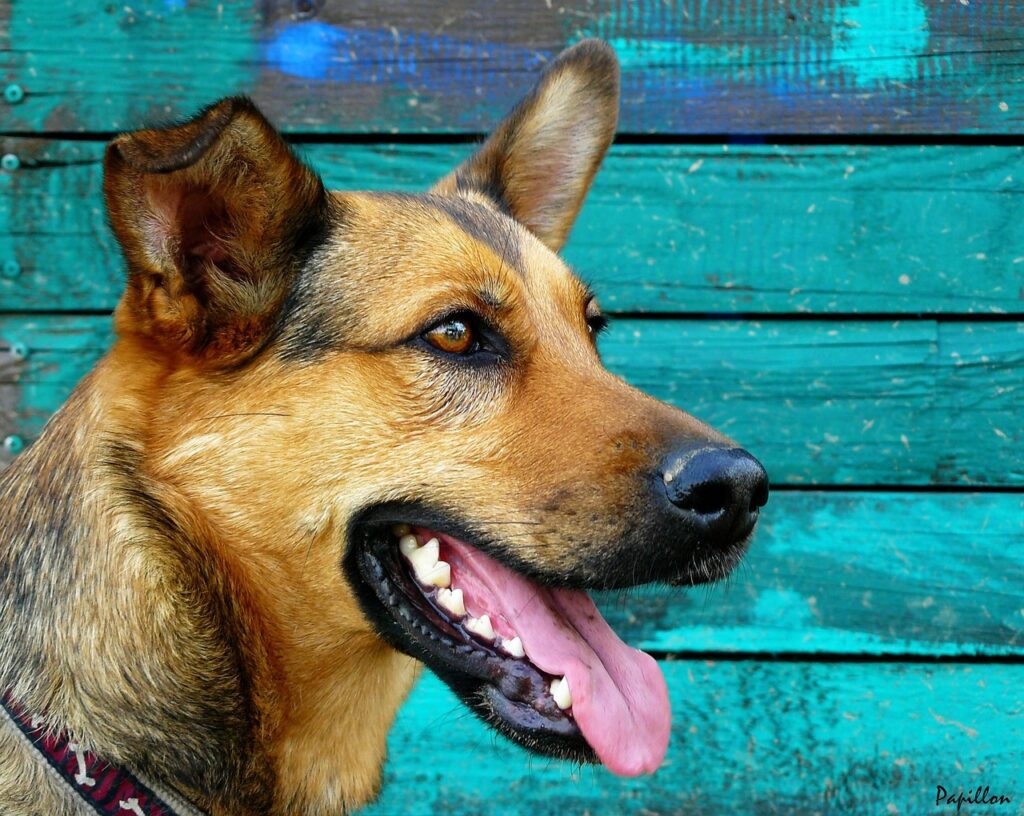
Our furry friends can’t tell us when something’s wrong, especially with something as hidden as dental pain. Keeping an eye out for dental health issues is just as important as those regular brushing sessions. Dental disease is super common in dogs, taking second place only to those pesky ear infections. Left unchecked, it can lead to discomfort and more serious health issues, so it’s vital to stay on top of their oral care.
Part of a regular grooming routine should definitely include checking your pup’s teeth. This isn’t just about warding off bad breath; it’s about preventing the kind of pricy treatments that come with dental neglect. Starting teeth cleaning early, especially during puppyhood, can make a huge difference in your dog’s dental health and overall comfort.
Identifying the Signs of Dental and Gum Disease
Let’s get down to the nitty-gritty. Recognizing early signs of dental issues in your dog can save them from a lot of pain and save you from high vet bills. Here’s what to look out for:
- Bad breath that could knock you over – it’s not just ‘dog breath’!
- Deposits on teeth that look a lot like the plaque on our own teeth.
- Gums that are bleeding or look damaged – ouch!
- An unwillingness to eat or difficulty chomping down on their kibble.
- And, the obvious one, visible pain when they’re eating or you’re inspecting their mouth.
If you notice any of these symptoms, don’t shrug them off. These could point to dental or gum disease, and contacting a vet should be your next move. Remember, ignoring dental care can lead to troublesome plaque build-up and even more concerning conditions.
The Importance of Prompt Veterinary Care
So, your dog’s showing signs of dental distress, what’s the next step? Getting to the vet, pronto. Dental disease can be extremely uncomfortable for your pooch, and the sooner they get checked out, the better. Dogs can fracture their teeth or develop infections that you can’t deal with on your own. Taking action early can prevent long-term damage and even save teeth.
We’re not just talking about a quick look-see, either. Professional care may involve sedation or anesthesia to really check what’s going on in Fido’s mouth. X-rays, scaling, polishing, or even tooth removal might be on the cards if things are serious.
Understanding Professional Dental Treatments
When you’ve got your appointment, your vet might tell you it’s time for some professional dental treatment. This could include a range of procedures depending on what your dog needs. Treatments might be as simple as scaling and polishing or as involved as an extraction. Let’s break it down:
| Procedure | Purpose |
|---|---|
| Scaling | Removing plaque and tartar from teeth |
| Polishing | Smoothing the tooth surface to delay future plaque build-up |
| Extraction | Removing severely diseased or damaged teeth |
| X-rays | Revealing any issues below the gum line or within the tooth or bone |
The aim is to tackle any issues head-on, reduce discomfort, and get your dog back to their happy, playful selves. And let’s not forget, after care is super important to make sure your pal heals up well and avoids any more dental disasters.
Post-Treatment Care and Prevention of Recurring Issues
Once your dog’s teeth have gotten the professional once-over, it’s not the end of the story. Post-treatment care is crucial to make sure everything heals up nicely, and that might mean antibiotics or anti-inflammatory meds.
But, the real game-changer? Continuing regular dental care. You have to stick to a good oral hygiene routine to prevent the same issues from popping up again. Brushing those pearly whites, offering the right chews, and maintaining those vet check-ups will keep your dog’s smile bright and healthy.