With summer’s sizzle in full swing, it’s essential to keep our furry companions safe from the heat and the host of seasonal challenges it brings. Understanding how to protect your dog from heat-related risks, such as heatstroke and dehydration, is crucial, and it goes beyond the simple acts of providing shade and water. This season demands a more watchful eye and proactive measures—from finding the right balance in exercise during cooler periods to the judicious use of cooling aids like mats and vests.
Alongside the rising temperatures, summer also lures many dogs to the water, whether it’s a backyard pool, a tranquil lake, or the ocean’s waves. While a splash can provide a refreshing escape from the heat, it’s important to ensure water safety. Canine swimmers need close supervision, appropriate swim aids, and post-swim care to remove irritants from their coats. Equally, the increase in pesky summer insects and the hot pavements calls for vigilant pest protection and paw care. It’s not just about keeping cool; it’s about embracing summer with smart, safe practices for our loyal companions.
Protecting Your Dog from Heat-Related Risks
With temperatures soaring, it’s essential to be proactive in protecting your furry friend from the heat. Dogs can’t sweat like humans, so they’re particularly vulnerable to overheating. For starters, ensure your pal has a cool, shady spot to retreat to during the heat of the day, and keep that water bowl topped up with fresh, cool water to ward off dehydration.
Avoid peak sun hours when exercising your dog, usually between 10 a.m. and 4 p.m., to prevent overheating. When the sun’s at its strongest, swap the rigorous run for a fun indoor session with their favorite toys or a gentle stroll in the early morning or evening when it’s cooler.
Preventing Heatstroke and Dehydration
Heatstroke is no joke—it can be life-threatening. Signs include excessive panting, drooling, a rapid pulse, and even fever. If you think your dog’s got a case of heatstroke, get them cooled down rapidly with water and straight to the vet for a checkup.
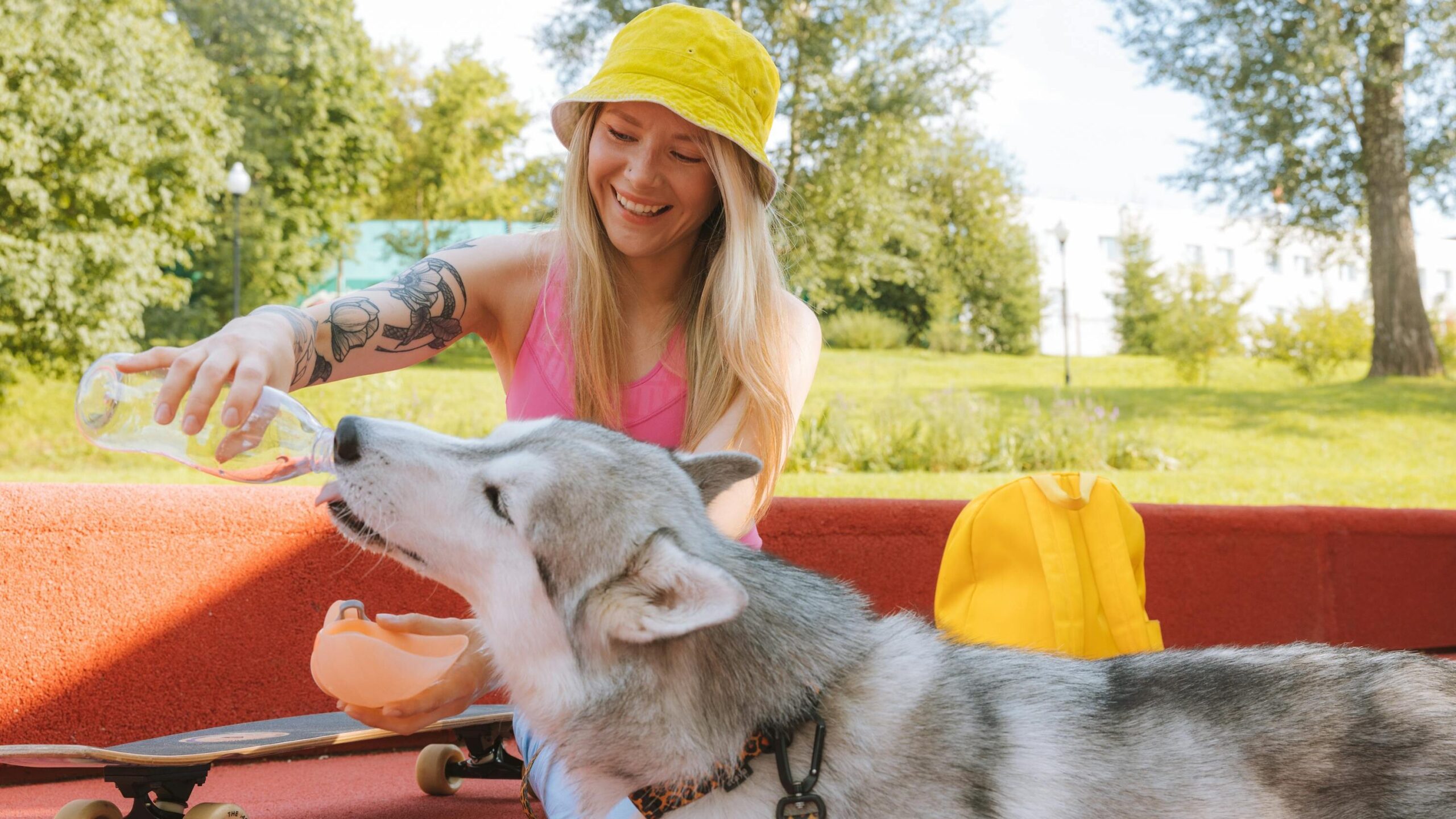
Dehydration is another serious concern. Always pack a portable water bowl on your outings, and give your pup plenty of opportunities to drink. At home, make sure they’ve got easy access to clean water at all times. To go the extra mile, you can try making dog-safe ice cream at home to help cool them down.
Recognizing and Responding to Signs of Overheating
Keep an eye out for tell-tale signs your dog is too hot: restless behavior, excessive panting or drooling, and a warmer-than-usual nose. If they’re overheating, stop any activity, move to a cooler place, give small amounts of water, and apply cool water to their fur. Contact your vet if you’re concerned.
Don’t forget; different dogs have different tolerances. Certain dog breeds, such as Chihuahuas and Yorkshire Terriers, thrive in warmer temperatures. Short-nosed breeds, seniors, and puppies are more susceptible to heat, so extra vigilance is needed for them.
Adjusting Exercise and Play to Avoid Peak Heat Hours
Mix up your dog’s exercise routine by keeping it to cooler parts of the day; early morning or evening are your best bets. Remember that hot pavement can hurt your dog’s paws, so opt for grassy or shaded paths.
Consider fun indoor activities to keep your dog active without overdoing it. Puzzle toys can be great for mental stimulation when it’s too hot to play outdoors.
Safe Use of Cooling Aids: Mats, Vests, and Damp Towels
Cooling aids can be a dog’s best friend during a heatwave. Invest in a cooling vest, mat, or even a simple damp towel for your dog to lie on. These products are designed to help regulate your dog’s body temperature and keep them comfortable during the hot spells.
Always supervise your dog when using these products to ensure that they are being used safely and effectively.
Car Safety: Never Leaving Your Dog in a Parked Vehicle
The inside of a parked car can become an oven in no time, even on a mild day. Never leave your dog in a parked vehicle, not even for a short time. Heatstroke can occur rapidly and can be fatal, so it’s simply not worth the risk.
When traveling with your dog by car, plan pit stops to provide breaks, offer water, and let your dog stretch their paws in a shaded area.
| Issue | Preventive Action | Emergency Response |
|---|---|---|
| Heatstroke | Provide shade and water, avoid peak heat hours | Cool with water, seek veterinary assistance |
| Dehydration | Constant access to fresh water | Offer small amounts of water, consult a vet if severe |
| Overheating During Exercise | Exercise during cooler hours, use paw protection | Stop exercise, move to a cooler area, apply water to fur |
| Car Safety | Never leave your dog unattended | Make frequent stops for breaks on trips |
Water Safety for Canine Swimmers
When the temperatures rise, cooling off in the water can be a blissful experience for both you and your pup. But before you let your dog make a splash, it’s super important to teach your furry companion how to swim safely and ensure their well-being. Not all dogs are natural-born swimmers, and even the ones that are can run into trouble if we’re not careful. Here are a few things to keep in mind when diving into water safety for your canine buddy.
First off, always assess the swimming area to make sure it’s safe for your dog. Look out for hazards, such as strong currents, deep water, sharp rocks, and pollution. If you’re at the ocean, be wary of jellyfish and know the water conditions. It’s also a good idea to rinse off your dog after swimming to remove any salt, chlorine, or lake gunk that can irritate their skin or damage their coat. Keep an eye on your best fur-friend, never leave them unattended near water, and remember, fresh drinking water and shade are just as important at the beach or poolside as they are on land.
Identifying Safe Swimming Environments
Knowing where it’s safe for your dog to swim is the first step to a fun and safe day around water. Not all beaches, lakes, or ponds are pet-friendly or safe. Check the local rules and regulations before you head out, as some areas may have restrictions on dogs swimming or even being present. You’ll also want to know about any potential waterborne dangers specific to the area, like harmful algae blooms or busy boat traffic.
Introducing Dogs to Water and Swimming Safely
If your dog’s new to swimming, take it slow. Start in shallow water and coax them in with toys or treats. Never, and I mean never, chuck your pooch into the water—that’s a surefire way to make them scared of swimming. Invest in a doggy life jacket for extra buoyancy and peace of mind. And it’s not a bad idea to have an “exit strategy” for your dog, such as a ramp or steps from your pool, so they can get out easily.
For those pooches who love a good swim, remember that they can tire quickly in the water, so keep those swim sessions short and sweet. Dogs use a lot of energy while paddling around, and even the best canine swimmer can become exhausted or get muscle cramps.
Using Life Jackets and Swim Aids
Life jackets aren’t just for humans; they’re a must-have for dogs too, especially if you’re going on a boat or if your dog isn’t a confident swimmer. Look for a life jacket that fits your dog snugly but doesn’t restrict movement, and definitely ensure it has a handle on the back so you can scoop your dog out of the water if you need to.
Providing Easy Pool Exits and Supervising Water Play
When it comes to pools, having an easily accessible exit for your dog is a must. A set of steps or a dog-friendly ramp can prevent drowning accidents. Supervision is key when your dog is in or near the water; it only takes a moment for playtime to turn dangerous. And, of course, make sure they don’t overdo it—regular breaks are a must to prevent overexertion.
Post-Swim Care: Rinsing Salt and Chlorine from Coats
After your dog has enjoyed a dip in the ocean, a lake, or the pool, be sure to give them a good rinse. Saltwater can dry out their skin, and chlorine can mess with their coat. Use fresh, clean water to wash away any irritants. And give their fur a good brush once they’re dry to avoid any post-swim tangles or mats.
| Dog Swimming Safety Tips |
|---|
| Assess the area for pet-friendliness and potential hazards |
| Introduce your dog to water gradually with positive reinforcement |
| Invest in a well-fitting canine life jacket |
| Ensure easy access out of the water, especially from pools |
| Rinse your dog after swimming to remove salt, chlorine, or dirt |
Summer Pest Protection and Skin would
Summer brings not just warmth and sunshine but also a host of pesky pests that can bug your furry friend. It’s a time to ramp up prevention against flees, ticks, and even heartworms. Protecting your pooch’s skin and coat becomes equally crucial as they spend more time outdoors, possibly exposed to various irritants and hot surfaces. Let’s dive into making summer a breeze for your dog’s health and comfort.
Keeping your dog’s well-being top of mind means paying close attention to the products you use, managing their exposure to the elements, and maintaining a grooming routine that will fend off the extra heat and humidity. Here’s a scoop on how you can ensure your dog stays happy and itch-free this summer.
Keeping Up with Flea, Tick, and Heartworm Prevention
Parasites don’t take summer breaks, so neither should your protection against them. Fleas and ticks are not only a nuisance but can also transmit harmful diseases to your dog. Regular preventative treatments are your best bet in keeping these biting bugs at bay. Similarly, heartworms, transmitted through mosquito bites can be fatal, making those vet-recommended heartworm preventative measures vital during the warmer months.
Don’t forget to consult with your veterinarian about the best flea, tick, and heartworm medications for your dog. It’s important to tailor your approach based on your dog’s needs, considering factors like size, breed, and health status.
Choosing Dog-Safe Bug Repellents and Sunscreens
Preventing bug bites and protecting your dog from sunburn are key aspects of summer skin care. Just like humans, dogs can be sensitive to certain chemicals, so opt for dog-safe repellents to avoid any adverse reactions. When it comes to sunscreen, the ears and nose are places where dogs, particularly those with short fur and light skin, can benefit from a layer of protection against harmful UV rays.
Remember, not all human sunscreens are safe for canine use. Look for products specifically designed for dogs that lack zinc oxide and PABA, which can be toxic if ingested. Specifically, PABA ingestion causes changes in the bone marrow, severe gastroenteritis, and liver damage.
Managing Seasonal Allergies and Potential Skin Irritants
Seasonal allergies can make anyone miserable, including your dog. Identifying and managing your dog’s environmental allergies can go a long way in ensuring they enjoy the summer itch-free. Signs of allergies may include scratching, sneezing, or licking more than usual. Rinsing paws after a walk can remove allergens and keep your home clean at the same time.
Be also aware of plants and fertilizers in your yard, ensuring they’re not toxic to your pet. If allergies persist, a vet visit is in order to discuss potential treatments.
Protecting Your Dog’s Paws on Hot Surfaces
Those sunny days can certainly crank up the sidewalk heat which can be tough on your dog’s paws. Before going for a walk, check the ground temperature with your hand — if it’s too hot for you, it’s too hot for them. Stick to shaded paths or grassy areas, or consider getting your dog a set of booties to shield their paws from getting scorched.
| Surface | Temperature (F) | Safe for Paws? |
|---|---|---|
| Grass | 85 | Yes |
| Concrete | 95 | Use Caution |
| Asphalt | 125+ | No |
Mornings or evenings are generally cooler times to head out for a stroll. Adjusting your dog’s exercise routine around the temperature can ensure they stay active without risking their paw health.
Summer Grooming: Dealing with Shedding and Maintaining a Healthy Coat
Extra fur equals extra heat, so regular brushing becomes even more necessary during the summer. Shedding occurs so your dog can ditch the winter coat, but without a helping hand, that extra hair can lead to overheating or skin issues. Summer grooming your dog at home and can also reduce the amount of hair floating around your home.
A clean dog is a happy dog. Bathing your canine companion not only frees them from daily dirt but also keeps possible skin irritations at bay. Just be sure to use a dog-friendly shampoo, and don’t go overboard — too much bathing can strip their coat of natural oils.