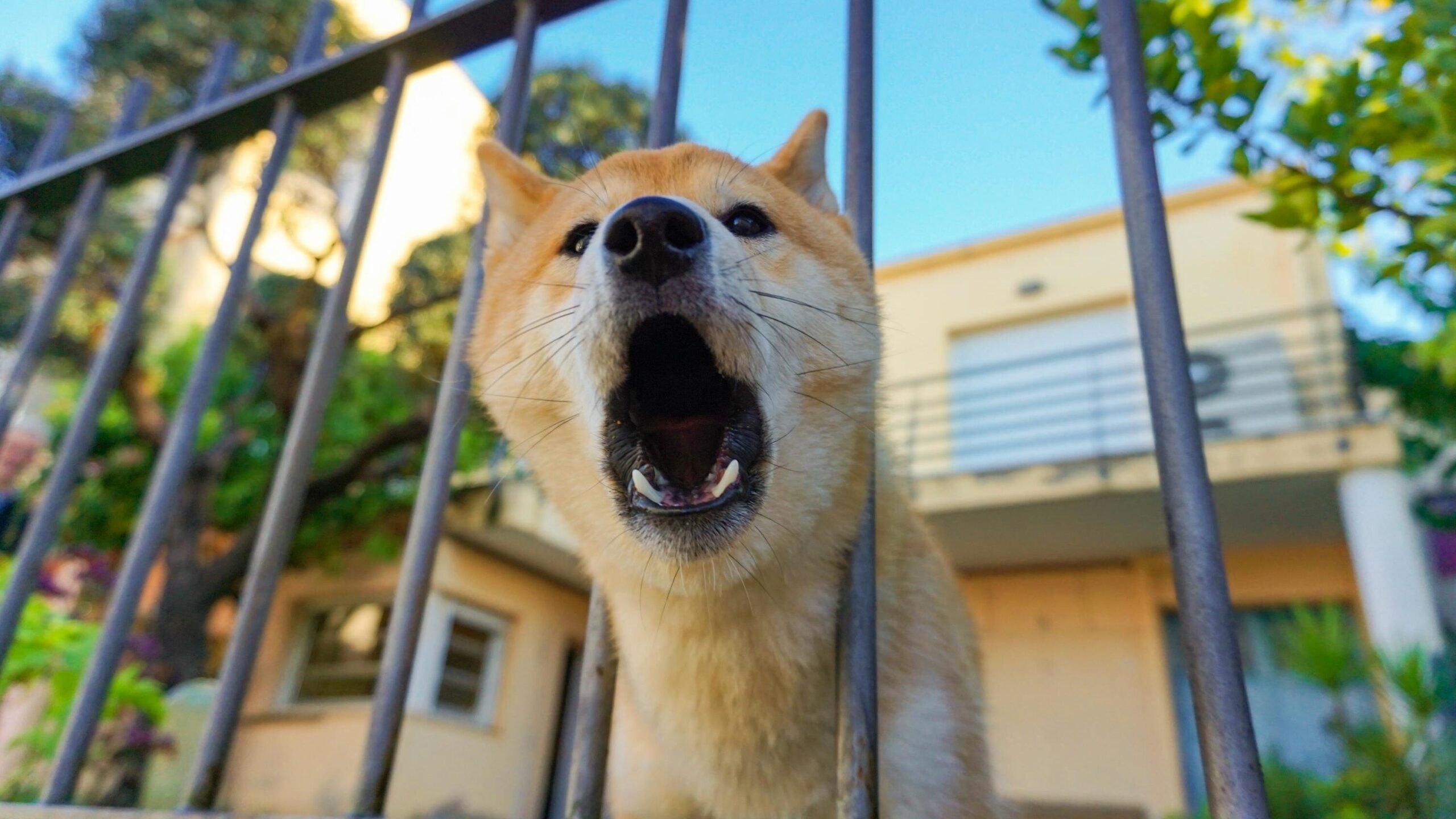
Dogs don’t just bark to drive us up the wall; it’s their main way of communicating. However, a dog’s bark can ranges between 60 and 110 dB. For comparison, a car horn is typically at 110 dB.
When Spot’s barking becomes more like a never-ending tirade, it’s time to sit up and listen — not to the barking, but to what lies beneath it. Understanding the root causes of excessive barking is crucial, whether it’s an alert to something amiss, a territorial call to arms, or a cry for attention. Issues like separation anxiety or sheer boredom often set the stage for a canine concert, signaling a need for us to address our furry friend’s mental and physical stimulation.
So, how do we turn down the volume on Rover’s vocal renditions? Traditional tactics like yelling a stern “No!” often backfire, but fear not — there’s hope! The key is in finding positive and consistent training methods to guide our pooches towards tranquility. Strategies such as introducing the “quiet” command, providing rewards for silence, or creating barking-averse environments can make a world of difference. And when the going gets tough, you can employ the right professional dog trainer and behavior modification programs to show you the way. Great things happen when we invest time and love into teaching our dogs that silence is not just golden, it’s rewarding, and the right kind of puzzle toys or exercise can make nap time more appealing than announcing every squirrel sighting.
Addressing the Underlying Causes of Excessive Barking
To get a handle on your furry friend’s excessive barking, we first need to figure out what’s setting off the bark alarm. It isn’t as simple as telling them to hush; dogs bark to communicate, and there could be a boatload of reasons behind it. Understanding the ‘why’ behind your dog’s vocal performances is crucial for implementing effective solutions.
Let’s dive right in and mute that unwanted soundtrack with some know-how and patience.
Yelling at your dog to stop barking is like adding fuel to the fire. It simply doesn’t work. In fact, to your dog, it just sounds like you’re joining the bark chorus! Instead, we need to ease their need to bark by keeping them busy and administering the right exercise routine. This way, we’re attending to their needs while reducing those noisy outbursts.
Identifying the Triggers for Barking Behavior
Each dog has their own set of bark triggers. It could be out of boredom, fear, excitement, or even just to grab your attention. Take notes on when the barking happens. Is it at people walking by the window? Or maybe when they’re left alone? Pinning this down is step one to turning down the volume.
If your dog barks to get your attention or while looking out the window at the passersby, it’s time for some re-arranging. You can move your dog to a quieter part of the house or close the curtains to block the view. Remember, out of sight often means out of mind for our tail-wagging pals.

Managing Environmental Factors to Minimize Barking
Creating a peaceful environment can work wonders. Something as simple as closing the blinds can prevent your dog from turning into a backyard commentator. Or if the barking is due to fears or phobias, you can create a safe, cozy ‘quiet zone’ with their favorite blanket and some soothing sounds to keep them calm.
And if your dog is vocalizing out of boredom, interactive toys or a mid-day walk can provide the mental and physical exercise they crave. This isn’t just a quick fix; it’s about ensuring they’re content and tired, making them less likely to give an earful to the mail carrier.
Differentiating Between Types of Barking: Alarm, Territorial, Attention-seeking, and More
Dogs, like humans, talk for many reasons, and not all barks are created equal. Alarm barking is when they’re alerting you of something unusual, while territorial barking is to say “Back off, this is my turf!” Then, there’s the “Hey, look at me!” barks for attention, amongst other types. Recognizing these will tailor your approach to teach them when silence is golden.
Here’s a cool trick: teach your dog to ring a bell when they need to go out. This can be a classy substitute to barking at the door and a neat party trick to show off to your friends.
Addressing Separation Anxiety and Boredom as Common Causes of Barking
If your dog sounds off like an alarm clock when you leave, hello separation anxiety! To tackle this, sometimes it’s about gradually exposing them to your absence. Start with short departures and build up from there, breaking their assumption that “human gone” equals “forever alone.”
To combat boredom-related barking, think of ways to keep your four-legged buddy engaged. From puzzle feeders to treat-dispensing cameras, modern pet tech can entertain and calm your pet, preventing boredom barks. Some of these gadgets can even allow you to interact with them remotely.
The Importance of Meeting Your Dog’s Physical and Mental Stimulation Needs
Dogs need to do more than just snooze on the couch all day. Regular exercise and mental workouts are like a ‘mute’ button for unnecessary barking. A tired dog is often a quiet dog, so get them moving with walks, playtime, or an indoor treadmill if the weather’s lousy. It’s an investment in their well-being and your peace of mind. A community dog-walking group might even be more beneficial as your pup can socialize with others while getting some exercise.
Also, weave in some training into their routine. The AKC Canine Good Citizen program is an excellent example of activities that can keep your dog sharp. Trust me, mental stimulation goes a long way in preventing those frustration-fueled bark-a-thons!
Training Techniques to Reduce Barking
So you’ve identified why your canine companion keeps chattering non-stop. Great! That’s the first step toward achieving some peace and quiet. Now, let’s tap into tried-and-tested training techniques that can help reduce that incessant barking. Remember, a well-behaved dog isn’t just a quieter one — it’s a happier one too because they understand what you expect of them. The key is to be consistent and always keep training positive.
Tackling excessive barking can be quite the journey, but don’t worry; it can definitely be done. We’ve got some behavior modification tricks up our sleeves that range from basic commands to more advanced desensitization strategies. So kick back, grab your pup’s favorite homemade treats, and let’s get to it!
Teaching the “Quiet” Command for Immediate Barking Control
Shushing your dog like a librarian has never worked, right? That’s because telling them to be quiet in human language is a tall order. But, teaching the actual “Quiet” command? Now that’s a game-changer. You want your pup to understand that “Quiet” means no barking. It’s all about timing and rewards.
Start by getting their attention with a treat. While they’re barking, say “Quiet,” and the moment they stop barking — even to sniff the treat — reward them with it. With repetition, patience, and positive reinforcement, they’ll catch on that silence equals tasty treats. It’s all about the Pavlovian response!
Using Positive Reinforcement to Reward Silent Behavior
It might sound simple, but rewarding your dog when they’re not barking can greatly enhance their understanding that silence is golden. The trick is to recognize and reward the behavior you want, before they start barking, and keep those praises or treats coming.
Let’s say you know the mailman usually triggers a bark-fest. Before the usual delivery time, distract your furry friend with a toy or a command, and if they remain quiet when the mail comes, shower them with love (or treats). Positive reinforcement can be a powerful motivator for your dog to curb their vocal outbursts.
Desensitizing Your Dog to Common Barking Stimuli
Sometimes, the best way to quell barking is to slowly let your dog get used to whatever is setting them off. This is called desensitization, and boy, does it work wonders. The idea is to introduce the barking trigger in a controlled way, with the intensity gradually increasing so that Fido gets accustomed to it.
Let’s say other dogs make your buddy go ballistic. You could start by having them look at a dog from a distance far enough away that they don’t bark. Reward them for staying quiet, and then slowly over time get closer. If barking starts, it’s back to a cozy, bark-free distance and slow steps forward again.
Implementing Crate Training and the Use of Quiet Zones
Crate training, when done right, is like giving your dog their own personal zen den. It’s not punishment — it’s their safe place. Make it comfy, make it cozy, and make it rewarding for them to be there. When they’re in their crate or designated quiet zone, they can chill without barking at every little thing that goes bump in the day (or night).
Remember though, if your dog is barking in their crate, don’t let them out until they’re quiet. They need to understand that barking won’t get them what they want. Instead, once they’ve quietened down, that’s when the gate opens and the rewards flow.
Redirecting to Incompatible Behaviors to Distract from Barking
Here’s a slick little trick: ask your dog to do something that’s incompatible with barking. For instance, can a dog bark while doing an enthusiastic “fetch” or munching on a snack? Not easily! Incompatible behaviors are your best friend here.
Maybe your pup tends to yap when the doorbell rings. Train them to head to their bed instead and lay down whenever they hear the ding-dong. Pretty soon, they’ll be sprinting for their cozy corner, not the door, when visitors arrive.
Gradual Exposure Techniques to Reduce Sensitivity to Barking Triggers
Like people, dogs can learn to deal with their “fears” gradually. The idea is to expose your dog slowly to whatever it is that makes them bark. Pair the exposure with treats or play, and over time, they’ll start associating the scary thing with good vibes instead of a reason to bark their head off.
Is your dog a barker when they’re on their leash and see another pooch? You might start by working on getting them to focus on you (and treat rewards) when another dog is at a distance. Then, you can very gradually work up to passing by other dogs without turning into a bark machine.
Socialization Practices to Prevent Apprehensive Barking
A well-socialized dog tends to be a more confident and less barky one. Getting your dog used to a plethora of people, places, and other dogs means they’re less likely to go off like an alarm at every new experience.
Start socialization young if you can, and keep it positive. Dog parks, friendly visitors, organized community dog walks, and puppy playdates can go a long way. And if your dog is older or a rescue, don’t worry — it’s never too late. Slow, positive introductions can still work wonders.
Professional and Long-Term Solutions for Excessive Barking
When dealing with a pooch that seems to have a lot to say, sometimes we need to look beyond the basic training tricks. Getting to the root of excessive barking often involves a mix of professional insight and long-term lifestyle adjustments for your furry friend.
Let’s dive into how you can transform your chatty companion into a more serene sidekick.
A certified professional dog trainer can be your ally in this challenge. They aren’t just for teaching sit and stay. They understand the nuances of canine behavior and can provide tailored strategies to cut down unwanted barking. Apart from professionals, there are also technology and products designed to provide comfort and distraction for your dog when you’re not home, potentially reducing the urge to bark. But remember, all the gear in the world won’t make a difference if we don’t commit to the long-term strategies that ensure a calmer, happy dog.
When and how to seek help from a certified professional dog trainer
There’s no shame in calling in the cavalry. In fact, it’s a smart move if your pup’s barking is relentless or tied to deeper behavioral issues. Professional trainers bring a wealth of knowledge and can spot things we might miss. They can provide one-on-one sessions or group classes that target your dog’s specific needs, whether they bark at strangers, family members, or other dogs. Consistency is key here; it’s not a quick fix, but a journey to a better-behaved buddy.
Positive reinforcement is the name of the game when it comes to training. It’s all about reinforcing the behavior you want to see rather than punishing what you don’t. Trainers will guide you on how to consistently apply these principles to help your dog understand that silence truly is golden.
The role of behavior modification programs in addressing chronic barking
Think of behavior modification programs as a full makeover for your dog’s habits. These programs tackle the behavior from all angles, using techniques that address the root causes of the barking. Whether it’s separation anxiety or frustration, each program will be customized to your dog’s situation. And these programs are not just for the pup; they teach us humans how to interact with and respond to our dogs in more effective ways.
Exercise and mental stimulation are part of these programs too. A busy dog is a quiet dog, so providing plenty of puzzles, toys, and activities will help keep their mind off the mailman. And let’s not forget those mid-day walks – a tired dog is more likely to lounge than lecture.
Technology and products that can aid in managing barking when home alone
| Product | Function | Benefits |
|---|---|---|
| ADAPTIL Collar | Releases calming pheromones | Can have a calming effect for up to 30 days |
| Furbo Camera | Monitor and communicate with your pet | Allows for real-time interaction and treat dispensing |
While you’re away, helping your dog feel comfortable and secure can make a world of difference. There’s a range of gadgets to help with this, like the ADAPTIL Collar, which releases calming pheromones to soothe your dog, or the Furbo Camera that lets you check in and even toss a treat from afar. Such devices can offer peace of mind and contribute to a quieter home.
Creating a quiet zone can also work wonders. This is a comfy place where your dog can retreat to, away from the noise and hustle, with a crate cover to block sights, a puzzle feeder for continuous entertainment, and perhaps a white noise machine to muffle the symphony of sounds that might otherwise set them off.
The ethical considerations and effectiveness of anti-barking devices
It’s important to approach anti-barking devices with caution. The market is full of gadgets that promise peace and quiet, but not all are created equal — and some can be downright harmful. Before considering an anti-bark collar, remember that creating a bond based on trust is crucial, and using a device that causes discomfort can jeopardize that bond. The goal is to resolve barking, not to cause fear or pain.
Instead of devices that punish, focus on those that offer a positive experience, like the ADAPTIL products or those that enable you to reinforce good behavior remotely. And remember, integrating these with professional training and long-term behavioral strategies will amplify their effectiveness rather than relying on them as standalone solutions.
Long-term strategies to ensure a calmer, more well-adjusted dog
At the end of the day, our four-legged friends just want to understand us and feel safe in their world. By committing to long-term strategies — like providing consistent exercise, meeting their social needs, and engaging their brains with puzzles and toys — we help them achieve a balanced life. It’s the daily walks, the daily routine, and the calm, assertive energy we provide that lays the foundation for a serene and bark-free home environment.
Reward-based training and creating an environment that minimizes stress triggers will teach your dog that silence is rewarding. Ensure your dog has plenty of socialization opportunities; it can’t be overstressed how valuable positive encounters with a variety of people and other dogs can be. Integrating these deeper lifestyle changes with the help of a professional trainer can set you — and your pooch — up for success.