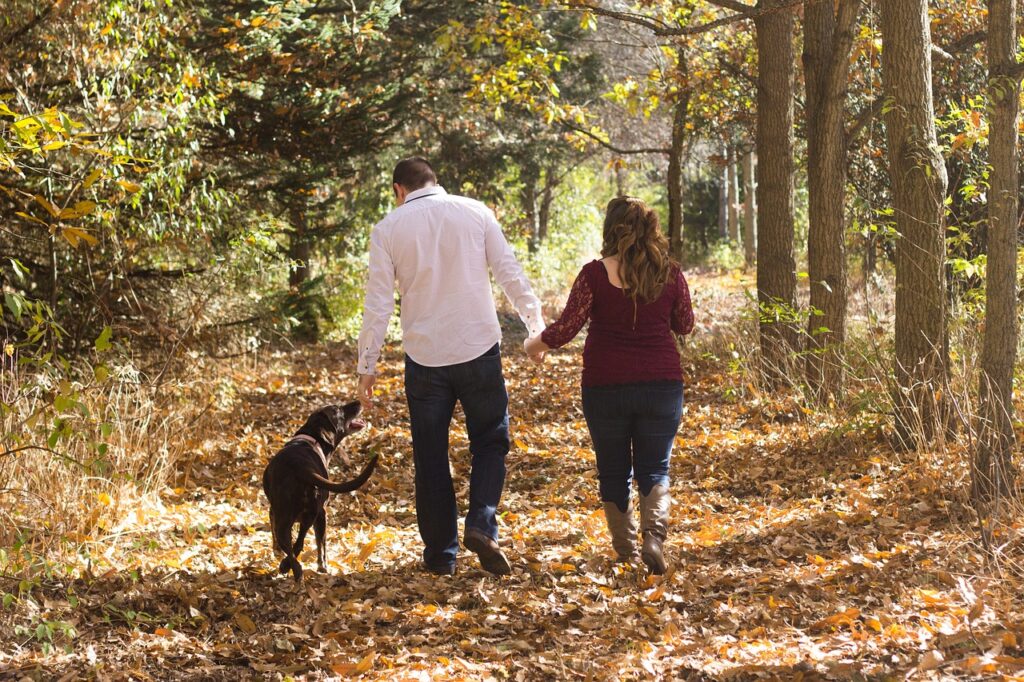
Ever noticed how content and structured dogs appear when living in harmony with a routine? It’s not just a hunch. Canines indeed thrive on a well-organized daily schedule, which not only reinforces their sense of stability but also nourishes their mental and physical health. From puppies to seniors, every dog benefits from a tailor-made agenda that aligns perfectly with its age, breed, activity levels, and the unique quirks that make Fido, Fido.
But it’s not just about our furry companions. As owners, we have our own rhythms and needs, and striking the right balance is key. Create a consistent routine that factors in necessary potty breaks, meal times, and bouts of activity. Meanwhile, it should also be dovetailing with our personal and work commitments. This can enhance our lives too, ensuring that both human and hound lead happy, healthful lives. It’s about being consistent, yet flexible; committed, but not to the point of feeling burdened. After all, a schedule should serve as a helpful guide, not a rigid taskmaster for you or your dog.
Establishing the Foundation: Assessing Your Dog’s Individual Needs
When we bring a dog into our lives, it’s not just about the cuddles and the playful moments; it’s also about understanding and providing for their individual needs. Dogs thrive on routine, which lends a sense of predictability and comfort to their day-to-day lives. Crafting a daily schedule that resonates with your furry friend’s unique requirements is essential for their mental and physical well-being.
The first step? Get to know your dog inside and out. This means considering factors like age, breed, activity level, and any special health considerations. By doing so, you’re on your way to creating a balanced life for both you and your pet that fostures a strong bond and keeps those tails wagging.
Tailoring the Schedule to Suit Age, Breed, and Activity Level
Different dogs have different needs. Puppies, with their boundless energy and need for house training, may require more frequent potty breaks and opportunities for play and education. Meanwhile, older dogs may need a schedule that accommodates their slower pace and potential health issues. It’s all about striking the right balance.
Breeds come into play too. This is also why you must determine the right dog breed for your family. Some dogs are bred for work and require lots of physical activity, while others might be more content with a good sniff around the block and some quality time with you. Acknowledge your dog’s breed characteristics and plan their exercise and mental stimulation accordingly.
Incorporating Necessary Potty Breaks and Meal Times
A routine isn’t just about what your dog does, but when they do it. Consistent potty breaks and meal times support a healthy metabolism and aid in regular digestion. They also help in establishing good bathroom habits, especially for puppies or newly adopted dogs who are still learning the ropes of their new home.
| Age Group | Potty Break Frequency |
|---|---|
| Puppies | Every 2 hours |
| Adult Dogs | 3-5 times a day |
| Senior Dogs | Every 4-6 hours |
Meal timing is just as important. Spacing out meals helps prevent hunger pangs and discourages begging. For puppies who are growing rapidly, additional midday meals can keep their energy levels consistent. Senior dogs, on the other hand, may benefit from a lighter feeding schedule tailored to their slower metabolism.
Balancing Exercise, Training, and Playtime with Rest
Exercise is a vital component of any dog’s day, not only for their physical health but also for their emotional well-being. Alongside burning off energy, exercise also provides enrichment, which is important for your dog’s mental stimulation. However, it’s not just about going on walks. Finding the right training, playtime, and exercise routine for your dog are key aspects of their development and happiness. They keep the mind sharp and helps you build a strong bond with your dog.
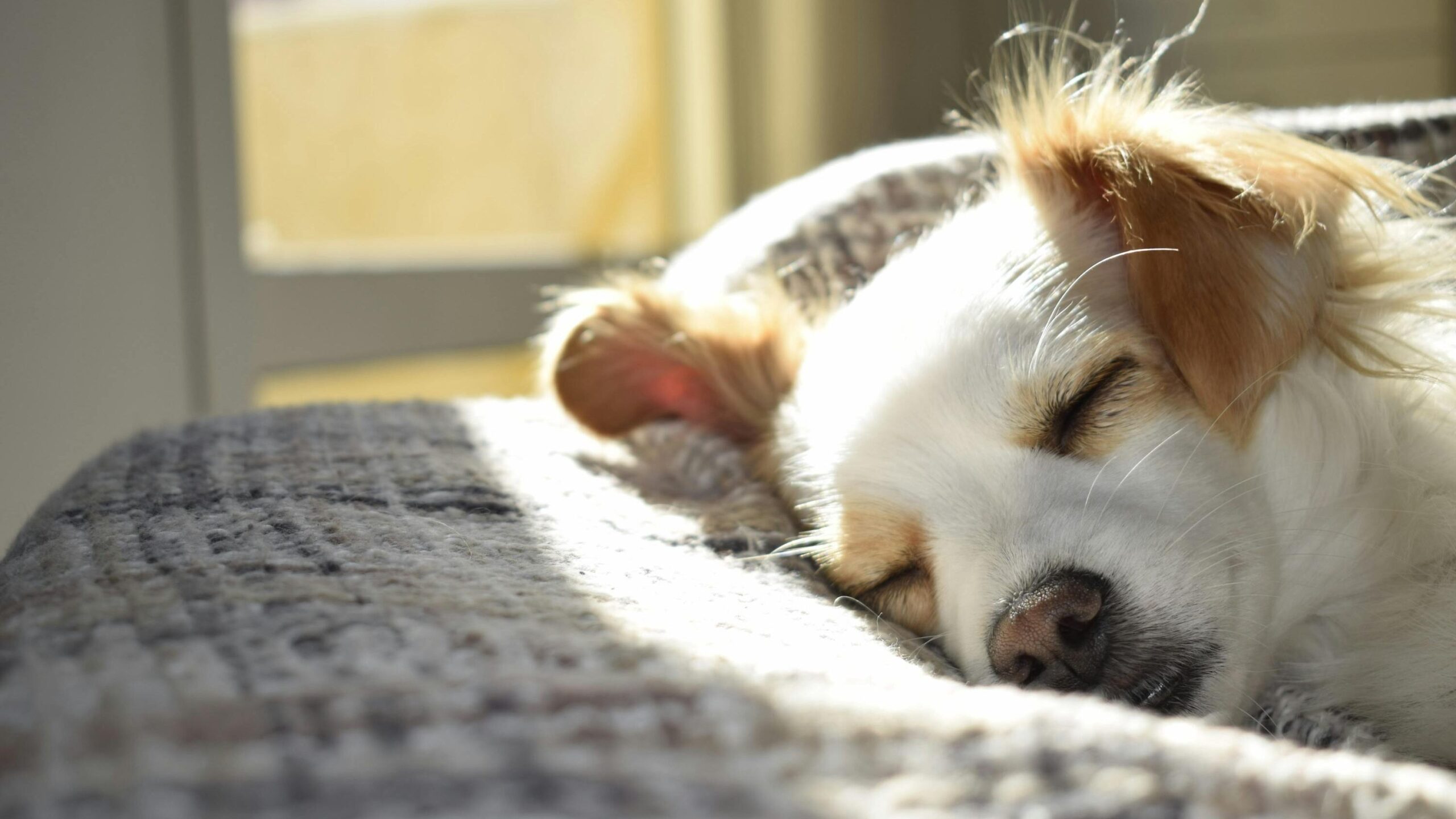
On the flip side, rest is crucial. Dogs generally need about 12 hours of sleep per day. Make sure you’re scheduling in downtime after play and training so they can recharge. This balance between activity and relaxation helps prevent behavioral issues and keeps your dog in tip-top shape, both mentally and physically.
Adapting the Schedule for Special Health Considerations
Special health considerations can’t be overlooked when establishing a routine. Dogs with chronic illnesses, disabilities, or allergies may require more frequent vet visits, medication, or a particular diet. Adjusting your schedule to accommodate these needs will help ensure your dog’s continued health and comfort.
It’s a team effort; while you might play the role of caretaker, your vet is an invaluable resource. Regular check-ups and open communication with your veterinarian can help you fine-tune your routine for your dog’s specific health requirements.
Aligning Dog Care Routines with Owner’s Lifestyle and Commitments
Your life is a variable in this equation too. An effective dog care routine must align with your lifestyle and commitments. After all, you’re the one who’s executing it. It’s all about finding harmony between caring for your dog and taking care of your own needs, whether that’s work, social life, or personal time to unwind.
If you’re often away from home or you have an unpredictable schedule, consider enlisting help from dog walkers or pet sitters. Perhaps integrate doggy day-care if that works for you. The goal is to create a contextual routine that fits snugly into your life without adding stress or becoming a burden.
Creating a Consistent Daily Timeline for Your Dog
So you’ve taken stock of your pup’s unique quirks and lifestyle needs. Now, let’s lay out a daily routine that will make your dog’s tail wag with the anticipation of what’s to come. Consistency is comforting, and your loyal companion will appreciate knowing roughly when they can expect their meals, walks, and cuddles. Let’s remember, our furry friends have a strong sense of time, and a predictable schedule can really enhance their mental and physical well-being.
Creating this timeline isn’t about rigid rules; it’s more of a guidance system for the day. We’ll make sure to include all the essentials: meal times, potty breaks, exercise slots, and the all-important snooze sessions. Keeping a regular schedule not only supports a healthy metabolism and digestion, it also helps maintain peace of mind—for both you and your dog. And when life throws a curveball, as it often does, we’ll lean on that built-in flexibility. After all, a routine should fit like a comfy shoe, not a tight leash.
Timing Meals for Optimal Health and Digestion
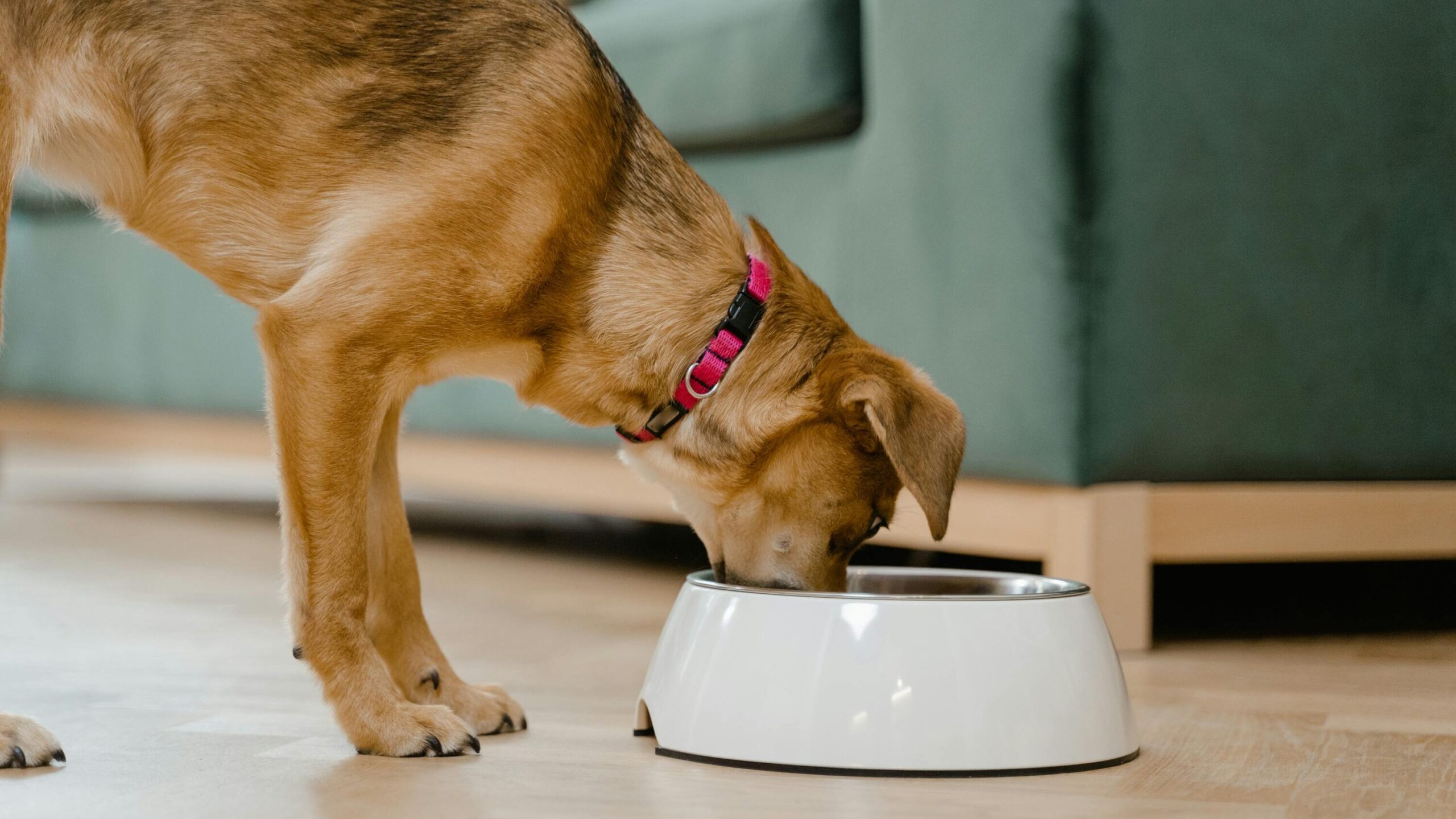
First up, let’s tackle grub time. We know the drill: most pooches would happily turn mealtime into an all-day affair if they could. But for their health’s sake, we’re talking two square meals a day, about 12 hours apart. This keeps those bellies full and happy without pushing into late-night snack territory. And remember, breakfast isn’t a race, so leave some time after morning munchies for a leisurely bathroom break.
For the little furballs (read: puppies) or toy breeds, an extra meal in the middle of the day keeps their tiny tummies and energy levels steady. Seniors, on the other hand, might need a lighter schedule. Keep an eye on their needs, and always consult your vet if you’re unsure.
Scheduling Exercise and Socialization Activities
Exercise isn’t just about staying fit—it’s also about sniffing around and saying hello to the world. A healthy adult dog will need anywhere from 30 minutes to 2 hours of daily workout, which, let’s face it, is also a sneaky way for you to hit your step goal. Aim for a romp outside when the sun’s not too intense—early morning or evening works best, especially during hot spells.
Got a pup with a dash more sass than others? No problem. Adjust walks to dodge their triggers, keeping things cool and collected. Variety is the spice of life, so throw in some playtime and mental gymnastics with training sessions or treat puzzles to keep those canine neurons firing.
Ensuring Sufficient Sleep and Downtime
Who doesn’t love a good nap? Your dog sure does, and they need about 12 to 14 hours of shuteye each day to recharge those zoomies. Puppies and older dogs might even log in more Z’s. Make sure there’s a cozy, quiet spot they can call Dreamland Central. It’s also about quality, not just quantity—so a decent dog bed is a must.
As pup parents, we also have to practice the art of stepping out and giving our dogs some alone time. It’s vital they learn that a little solitude is nothing to fret about. Think of it as their me-time to snooze, daydream about squirrels, or mull over their next misadventure.
Setting Aside Moments for Training and Mental Enrichment
Brain games, anyone? Dogs love a challenge, so setting aside time for training and mental stimulation is a no-brainer. Carve out some time throughout your day for basic commands, new tricks, or even sorting out the recycling. It’s fun, it’s bonding, and it keeps your pupper mentally spry. Plus, every “sit,” “stay,” or “paw” earned is another little victory dance for you both.
Treat dispensing toys and games can turn snack time into brain time in a snap, and you don’t necessarily need to buy fancy gear—DIY puzzles work just as well. Get creative and see what you can devise with household items to keep that tail wagging and those gears grinding.
Planning for Quality Time Between Dog and Owner
Amidst your human busyness—work, errands, the infinite scroll of social media—carve out some of that prime time exclusively for you and your furry compadre. Whether it’s just chilling on the couch, a shared stroll in the park, or a vigorous game of fetch, invest in building that bond. They give us unlimited love, so let’s make sure we’re paying it back in kind.
Quality time doesn’t have to be a chore, it’s genuinely the best part of having a dog. It’s those moments of laughter and pure joy that you’ll treasure, and they make the mundane routines feel worthwhile. So, mark it down, and make it as unmissable as your favorite TV show.
Addressing the Need for Alone Time and Independence
Just as your dog needs love and attention, they also need to learn the fine art of independence. Schedule some time where your dog can chill solo—indoors or in a secure backyard dog playground. The art of being alone is a life skill for dogs just like it is for us, teaching them that there’s peace and safety even when you’re not in sight.
This alone time can prevent future issues like separation anxiety and gives your dog the chance to simply be themselves, without any expectations. It can also be a real sanity saver for you when you need to focus on work or just take a breather. Remember, a confident dog is a happy dog, and learning to respect each other’s space is how you build mutual trust and understanding.
| Time of Day | Activity |
|---|---|
| 6:00 – 7:00 AM | Morning potty break and walk |
| 7:30 AM | Breakfast |
| 8:00 – 9:00 AM | Potty break (especially for puppies) |
| 12:00 – 1:00 PM | Midday walk and/or playtime |
| 5:30 – 7:00 PM | Evening walk |
| 7:30 – 8:30 PM | Dinner |
| 8:30 – 9:00 PM | Post-dinner playtime or training |
| 9:30 – 10:30 PM | Final potty break and bedtime |
Adjusting and Adapting the Routine Over Time
Even the most well-thought-out daily routines for your furry friend may need a tweak here and there. Keeping an eye on how your dog is doing with the current schedule is crucial. Are they restless or seeming to get bored quickly? Or maybe they’re having a hard time settling down at night? Monitoring your dog’s response to the routine helps you stay on top of these subtle cues and more obvious ones like changes in appetite or bathroom habits.
Making gradual adjustments as needed can seem daunting, but small changes can make a huge difference. For instance, if your dog seems more energetic in the evening, perhaps adding an extra short walk or play session can help them wind down before bed. Also, remember to stay flexible. When the seasons change, so might your dog’s exercise needs and tolerance to outdoor conditions. And hey, sometimes life throws a curveball, so being able to handle unexpected disruptions while maintaining consistency to the best of your ability is important for your dog’s sense of security.
Monitoring Your Dog’s Response to the Routine
Observing your dog’s behavior is key to understanding how well your current schedule works. Energy levels, body language, and eagerness to engage in activities can all be indicators of a routine that’s either a perfect fit or in need of some revision. Take note of things like:
- How your dog acts before and after meals or walks
- Their excitement level when it comes to playtime
- Any signs of anxiety or stress at specific times of day
Making Gradual Adjustments as Needed
When you notice that something isn’t quite right, it’s time to make some changes—but take it slow. Drastic shifts can confuse your dog and cause stress. So, for instance, if you’re changing meal times, do it in small increments over a few days or even a week. And because no two dogs are the same, what works for one may not work for another, so tailor the adjustments to your dog’s unique needs and personality.
Staying Flexible with Seasonal and Lifestyle Changes
Seasons change, so do your life circumstances and sometimes even your dog’s health. Whether it’s an issue of more daylight hours, a new job, or a condition that changes your dog’s abilities or energy levels, being adaptable with your schedule is a sign of a caring and attentive pet owner.
Handling Unexpected Disruptions and Maintaining Consistency
Disruptions are a part of life, but how you manage them can make a big difference. Finding ways to maintain some aspects of the routine can provide your dog with some stability even when other parts are in flux. If you’re unable to be home at the usual time, perhaps a family member, friend, or professional dog walker can help fill in to keep things consistent for your pup.
Communicating the Schedule to Other Caretakers
If more than one person is involved in taking care of your dog, communication is key. Everyone should be on the same page when it comes to the routine. This is especially important when it comes to things like feeding times and portions to ensure your dog isn’t overfed or fed too late in the evening, as well as making sure they’re getting their needed exercise and potty breaks.
Reevaluating the Schedule for Aging Dogs or Changing Health Status
As dogs age, their needs can change dramatically. You might find that your once energetic pooch now tires more easily and requires a shorter walk or more rest throughout the day. Health issues can also arise that may require medication to be given at certain times or a diet change that needs to be scheduled. Regularly reevaluating the routine to suit your aging or health-changing dog ensures their continued comfort and happiness.
| Consideration | Adjustment Example |
|---|---|
| Increased Energy | Add an extra 15-minute play session in the evening |
| Change in Weather | Switch long walks to cooler parts of the day |
| New Family Schedule | Shift morning walk to align with owner’s new start time |
| Aging Dog | Incorporate more frequent, shorter walks; allow longer rest periods |
| Health Changes | Adjust meal times to coordinate with medication schedules |